Formerly the B&O Railroad Museum, the National Museum of Railroad History & Innovation brings nearly two centuries of transportation history to life through locomotives, rolling stock, artifacts and hands-on discovery.
Standards-aligned programs span pre-K through high school, with carefully selected topics matched to student age and classroom goals. Younger learners can explore railroad safety, transportation and commerce, while grades 3–12 investigate Maryland history, environmental change and the impact of railroads on communities. Older students can tackle engineering and technology challenges, investigate African American railroad workers and explore the railroad’s role in major national conflicts. Select programs incorporate Morse code, LEGO engineering and a ride along the nation’s first mile of commercial railroad.
What Students Will Experience
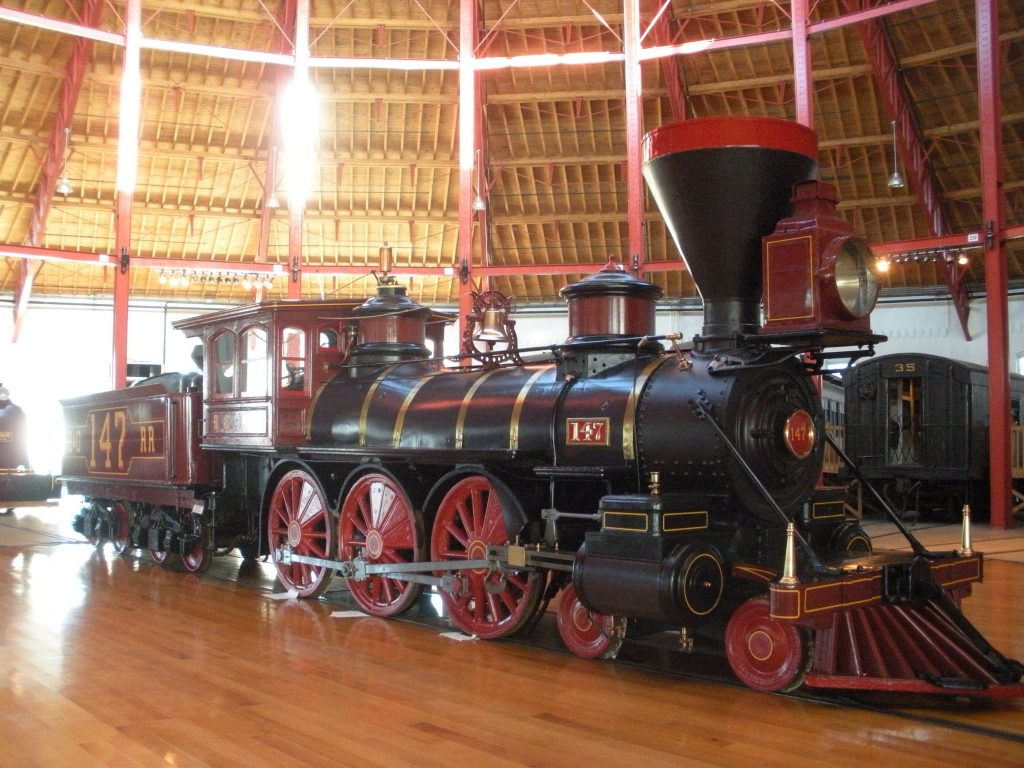
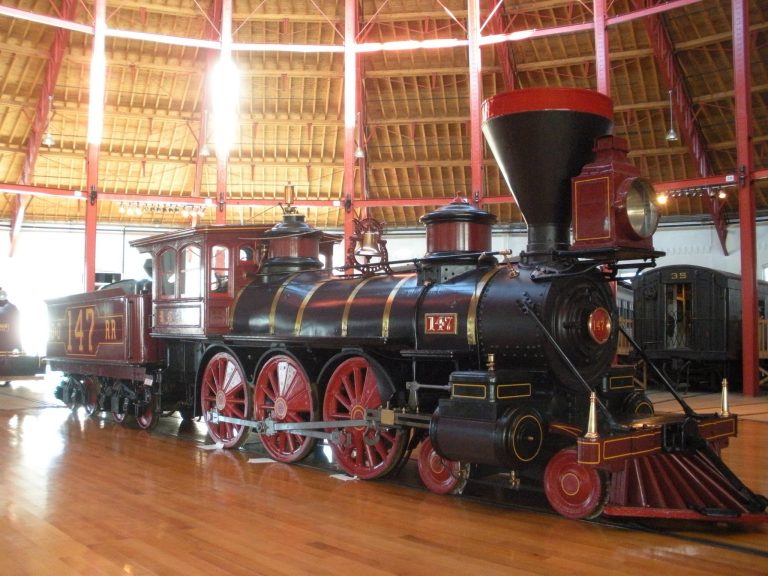
The museum surrounds students with the physical evidence of America’s railroad revolution. Historic locomotives and passenger and freight cars allow groups to compare changing technologies, materials and designs while considering how railroads reshaped travel, industry and communication.
A field trip can combine a themed tour, hands-on workshop and train ride. In the museum’s Railroad Technology programming, for example, students examine how locomotive designs changed over time and then put engineering concepts into practice. Third graders can build vehicles from LEGO bricks, race them on a test track and modify their designs based on performance—an experience that turns the engineering-design process into something immediate and competitive.
When operating, the Mile One Express adds another memorable layer. Students ride along the first mile of the historic Baltimore & Ohio Railroad, connecting the museum’s artifacts to the actual landscape where commercial railroading began in the United States. The museum also offers guided experiences focusing on subjects such as the Civil War, railroad labor and women working on the rails.
For younger students, the museum includes B&O Junior Junction, a dedicated hands-on area for early learners. Other youth programming explores safe communities, commerce and railroad transportation through developmentally appropriate activities.
Curriculum & Grade-Level Connections
Field-trip programming is built for pre-K through grade 12, making the museum unusually adaptable across a school district. Early learners can focus on transportation, safety, goods and communities, while elementary students begin examining how railroads affected Maryland’s economy and environment.
By grade 3, programs can explicitly connect social studies with NGSS engineering standards. The museum’s Railroad Technology experience asks students to consider how transportation advances influence communities and natural environments while also developing and optimizing engineering solutions.
Middle and high school groups can address broader themes including industrialization, labor history, military logistics, technological change and civil rights. A Civil War tour examines how railroads became a strategic military tool, while labor-focused programming investigates working conditions, unions, strikes and changing employee rights. Tours highlighting women in railroading help students consider how workforce participation and social expectations evolved across two centuries.
Maryland history is particularly well represented. The museum connects Baltimore’s rise as a shipping and immigration center with advances in transportation and communication, as well as struggles for freedom and equality during the Civil War and Civil Rights eras.
Teachers can also build a customized trip by mixing activities from different program themes. The museum notes that activities intended for other grade levels may be available even when they are not specifically aligned with that class’s standards.
Planning Your Visit
School groups should reserve field trips in advance through the museum’s education department. For general groups, parties of 20 or more qualify for reduced group admission, and the museum can also reserve lunch space and provide meal recommendations.
The museum is currently open daily from 10 a.m. to 4 p.m., and free secure parking is available onsite—an important convenience for motorcoach groups visiting Baltimore. A café operates daily from 10 a.m. to 3 p.m.
Trip planners should decide early whether they want to include the Mile One Express, since train operations and school availability may vary by day. Some school programming lists train rides Wednesday through Friday.
For groups wanting more structure, they can add guided tours, and behind-the-scenes experiences may also be available. The museum offers kid-focused Junior Tours as well as standard and group tours.
Because the museum’s collection is large and its programming broad, teachers will get more from the visit if they identify one or two themes before arrival—engineering, Maryland history, industrialization, labor, civil rights or transportation technology—rather than trying to cover everything in one trip.