Discover Massachusetts at the Commonwealth Museum, where state history and the evolution of American rights come alive through rare documents, interactive exhibits and immersive multimedia.
A free school field trip combines a 90-minute guided exhibit tour with a 90-minute classroom program, giving students three hours of structured learning. In the galleries, groups can test their knowledge of the Bill of Rights, investigate virtual books and weigh evidence in an interactive Salem Witch Trials experience. Grade-specific classroom programs let students explore Massachusetts symbols and maps, examine artifacts from Boston’s Big Dig, reenact the Boston Massacre trial or investigate Civil War history and Sacco and Vanzetti.
What Students Will Experience
The Commonwealth Museum is designed around the idea that Massachusetts history can be understood through documents, decisions and debates. During the guided exhibit portion of a school visit, students move through galleries that trace the state’s role in developing rights and democratic government.
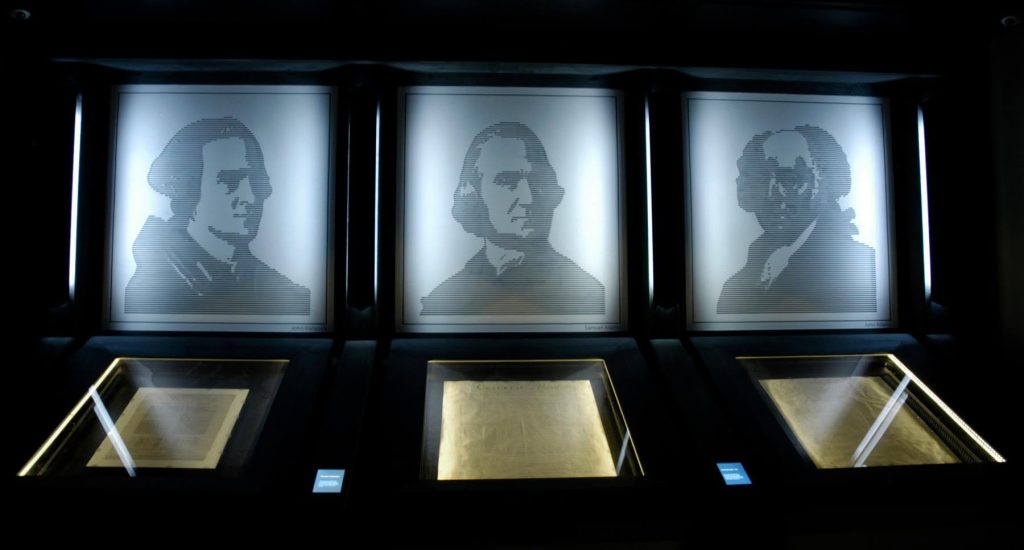
The Treasures Gallery introduces rare historical materials, while interactive exhibits encourage students to make choices rather than simply read labels. A Bill of Rights game challenges students to test their understanding of constitutional protections, while the Salem Witch Trials activity asks learners to consider evidence and decide whether an accused person is guilty or innocent. Multimedia and surround-sound elements add another layer of immersion.
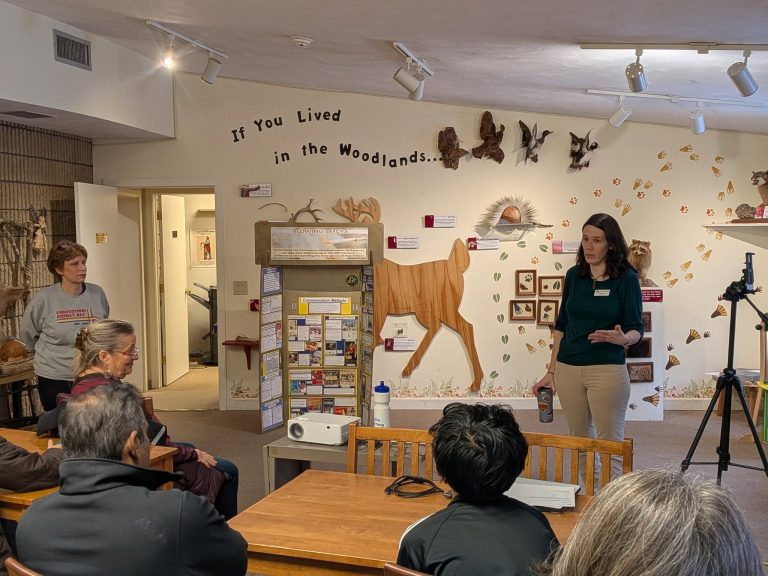
The classroom component turns students into active participants. In the Boston Massacre program, students reenact the trial of British soldiers and evaluate evidence from different perspectives. The museum provides follow-up resources encouraging students to investigate Paul Revere’s famous engraving, the Old State House and the historical personalities involved in the events of March 1770.
Other programs let students work with maps, symbols, archaeology and historical evidence. The combination of gallery exploration and a 90-minute workshop gives teachers both broad historical context and a focused deep dive into one subject.
Curriculum & Grade-Level Connections
School programming is carefully divided by age. Massachusetts Symbols Game and Maps, Maps, Maps! are intended for grades 3–4, giving younger students an accessible way to investigate state identity, geography and map literacy.
For grades 5 through middle school, students can choose Boston Massacre or The Archaeology of the Big Dig. The latter introduces archaeological evidence uncovered during Boston’s massive infrastructure project and helps students connect physical artifacts with urban history and historical interpretation.
High school groups can choose Civil War Massachusetts or Sacco and Vanzetti, allowing older students to examine more complex political, legal and social questions.
The museum’s larger thematic focus—Massachusetts and the development of American rights—makes it especially useful for civics and U.S. history. Teachers can connect exhibits with colonial government, constitutional rights, due process, immigration, protest and social change.
The museum also provides virtual classroom programs. Current options include Boston Massacre and Washington in Massachusetts programs for grades 3–4, giving teachers alternatives when travel is not possible.
Additional classroom materials encourage students to extend mapping, historical research and primary-source work after the visit.
Planning Your Visit
School field trips are offered September through June, and reservations are required. The full experience lasts approximately three hours: a 90-minute guided exhibit tour followed by a 90-minute classroom program. The museum can accommodate up to 60 students and charges no admission or program fee.
The museum is generally open Monday through Friday from 9 a.m. to 5 p.m. and closed weekends and legal holidays. All groups must call ahead to reserve a visit.
One major advantage for school transportation is free parking directly in front of the museum, which simplifies logistics for buses and vans. The museum sits on Columbia Point beside UMass Boston, near the John F. Kennedy Presidential Library and Museum and the Edward M. Kennedy Institute, making it possible to build a broader civics or presidential-history itinerary in the same area.
Public-transit access is also straightforward. Groups can take the MBTA Red Line to JFK/UMass and then use the free UMass Boston shuttle to the Kennedy/Archives stop across from the Massachusetts Archives and Commonwealth Museum.
Because the program runs three hours, teachers should consider lunch timing and student stamina, particularly for younger elementary groups. It is also worth selecting the classroom program in advance according to grade level and curriculum goals rather than treating the visit as a generic museum tour.
For schools seeking an affordable Massachusetts history experience, the combination of free admission, structured programming, rare documents and active civics learning makes the Commonwealth Museum especially attractive.