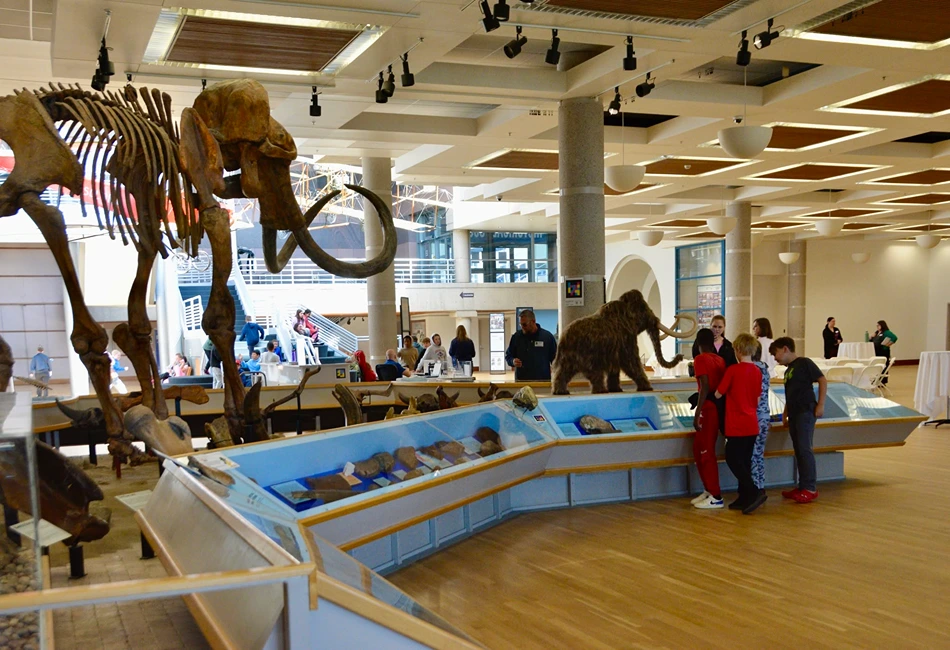
The Hawkeye State connects K-12 learners with nationally significant stories spanning agriculture, art, innovation, conservation, presidential history, immigration and the Mississippi River
Some destinations introduce students to subjects they have studied in the classroom. Iowa lets them walk directly in the paths of history, culture, immigration and other subjects that helped shape the nation.
Throughout the Hawkeye State, students can trace more than 13,000 years of human history, explore one of the country’s most distinctive communal societies, visit Iowa’s only presidential library, discover how modern agricultural machinery took shape and investigate how fertile prairies became some of the world’s most productive farmland. Among the Loess Hills and along the Mississippi River, learners can also examine geological formations and ecosystems that exist in few other places.
That combination is what distinguishes Iowa from a general collection of museums and field trip attractions. Its educational experiences are connected by a larger story: how land, agriculture, ingenuity, immigration, industry and community have influenced both Iowa and the United States.
For tour operators, the state offers another important advantage. Major learning experiences are concentrated in regional clusters, allowing groups to combine related subjects without the possible congestion, high costs or lengthy transfers associated with some traditional field trip destinations.
This Iowa student travel guide explores the experiences that make the state distinctive, the subjects they support, and the practical considerations operators should weigh when building an Iowa itinerary.
Stay connected to the latest ideas and resources for student travel with the InSite from Student Travel Pro newsletter.
Why Choose Iowa for Student Travel?
Iowa is sometimes viewed primarily as an agriculturally focused state, but farming and agribusiness are only the beginning of its educational story.
The state has produced a U.S. president and vice president, pioneered advances in manufacturing and agriscience, inspired internationally recognized artists and preserved vital Indigenous cultural landscapes. Iowa’s communities reflect stories of immigration, communal living, religious freedom, westward settlement and industrial development.
Iowa’s geography also provides a natural framework for multidisciplinary travel. The Mississippi River defines its eastern border, while the Missouri River shapes the west and fertile prairie stretches between them. Students can therefore examine how soil, waterways, climate and human actions influenced early settlement, transportation, food production, conservation and economic growth.
Rather than presenting isolated attractions, a successful Iowa itinerary can connect these stories. A historic farm visit and behind-the-scenes tour can lead to agricultural engineering. A presidential site can introduce civic service and public policy. A river museum can combine ecology, transportation and regional history.
That ability to bring subjects together is one of Iowa’s greatest strengths as a student travel destination.
Educational Opportunities in Iowa
History, Civics and the Iowa Experience
Herbert Hoover Presidential Library and Museum
West Branch offers students something no other Iowa community can: the opportunity to explore the birthplace, public service and international humanitarian legacy of the only U.S. president born in the state.
The Herbert Hoover Presidential Library and Museum reopened on August 6, 2026, following an 18-month extensive renovation of its permanent galleries. The reimagined museum is Iowa’s only presidential library and the newest museum experience within the National Archives’ presidential library system.
Hoover’s story gives operators several educational angles that extend well beyond his presidency. Students can learn about his Iowa childhood, engineering career, work as secretary of commerce and efforts to organize international food relief during and after World War I. His life encourages discussion about public service, crisis leadership, humanitarian aid and the responsibilities of government.
The neighboring Herbert Hoover National Historic Site adds valuable context. Students can see Hoover’s small birthplace cottage, a reconstructed blacksmith shop, the Friends Meetinghouse associated with his Quaker upbringing and the gravesites of Herbert and Lou Henry Hoover.
Tour Operator Takeaway
Together, the museum and historic site demonstrate how a child raised in a small Iowa community went on to participate in global events. For tour operators, that makes West Branch particularly effective as a civics destination: it connects presidential history to family life, faith, engineering, humanitarianism and the development of personal values.
New exhibits wow student groups at the Herbert Hoover Presidential Library and Museum in West Branch. Credit – Herbert Hoover Presidential Library and Museum
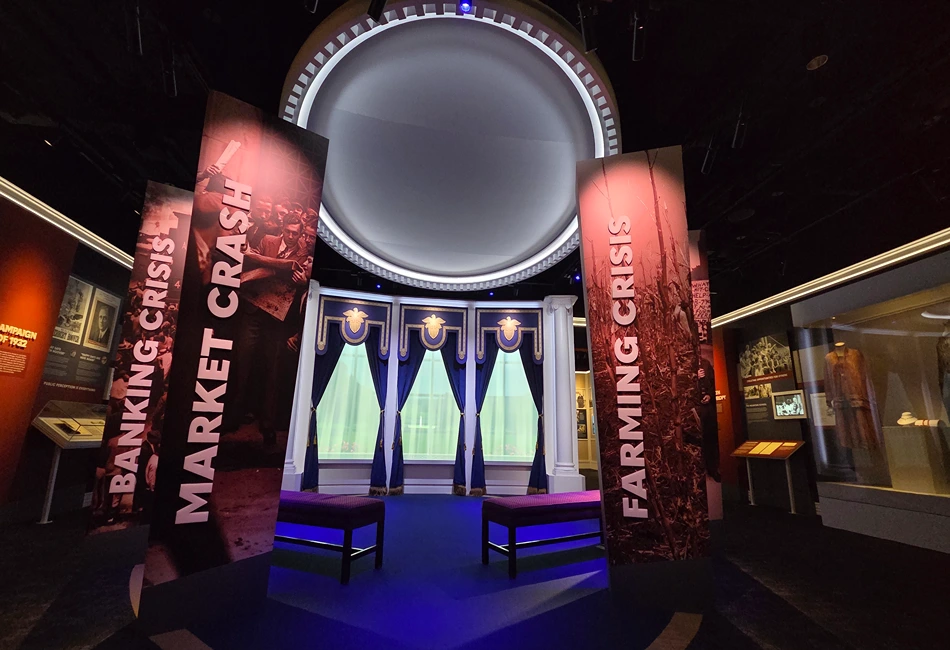
New exhibits wow student groups at the Herbert Hoover Presidential Library and Museum in West Branch. Credit – Herbert Hoover Presidential Library and Museum
State Historical Museum of Iowa
Students learn about Iowa’s history during an in-depth tour of artifacts and exhibits at the State Historical Society of Iowa. Credit – State Historical Society of Iowa Facebook
Located near the Iowa State Capitol in Des Moines, the State Historical Museum of Iowa gives groups a broad foundation for understanding the places they will encounter throughout the rest of the trip.
Learners can journey through approximately 13,000 years of Iowa history, explore life before statehood, and understand how Indigenous peoples, settlers, soldiers, workers, artists, and civic leaders contributed to the state’s development. The museum offers self-guided field trips, educational programming and virtual options for K-12 groups.
What makes this experience especially useful is its focus on Iowa’s role within larger American events. The collections help students connect state history to westward migration, the Civil War, transportation, politics, industry, popular culture and changes in the use of Iowa’s natural resources.
Tour Operator Takeaway
Operators can strengthen the civics component by pairing the museum with the Iowa State Capitol. Together, the sites allow students to move from historical evidence to the modern workings of state government.
Students learn about Iowa’s history during an in-depth tour of artifacts and exhibits at the State Historical Society of Iowa. Credit State Historical Society of Iowa Facebook
Amana Colonies
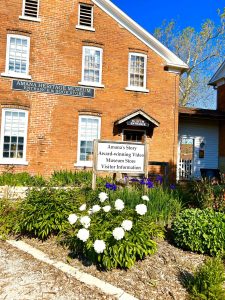
Amana Colonies Visitor Center includes bus parking. Credit – Amana Colonies Convention & Visitors Bureau Facebook
The Amana Colonies tell one of Iowa’s most distinguishing immigration stories.
Founded by German-speaking religious immigrants, the seven villages developed as a communal society in which residents shared work, property and many aspects of daily life. The community maintained its collective economic system until 1932, leaving behind historic homes, kitchens, churches, workshops and businesses. Today, students have a tangible opportunity to examine immigration, faith, labor and community organization.
The Amana Heritage Society offers school programs for students in grades three through 12. Groups may tour individual historic sites or combine several locations, while walking and role-playing experiences help students explore village life from different perspectives. The society’s sites include the Amana Heritage Museum, Communal Kitchen and Cooper Shop, Homestead Church Museum and High Amana General Store.
Students can investigate questions that remain relevant today: Why do people leave their homelands? How do immigrant communities preserve their identities? What are the benefits and challenges of a shared economy? How does a community adapt when its original way of life changes?
Tour Operator Takeaway
Artisan shops and galleries can add another dimension by showing how traditional skills such as woodworking, textiles and food production contribute to cultural continuity. This makes Amana more than a collection of historic buildings; it becomes a case study in how a community preserves its heritage while continuing to evolve.
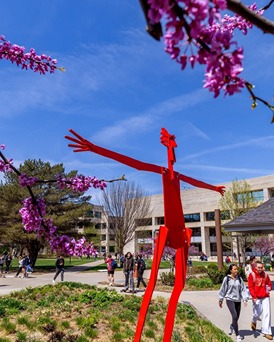
Iowa State University in the springtime is a great season for a campus tour. Credit – Iowa State University Facebook
STEM, Engineering and Iowa Innovation
Iowa State University
Iowa State University in Ames provides a natural bridge between an educational tour and students’ future academic and career decisions.
The university’s identity is closely tied to Iowa’s land-grant tradition, which was created to make practical education in agriculture, engineering and the sciences more widely available. That mission makes an Iowa State visit especially relevant to Iowa’s larger story of food production, technological innovation and research.
Group visits for high school students may include an admissions presentation, campus and housing tour and opportunities to learn about academic programs. During larger Experience Iowa State events, prospective students can attend academic sessions, hear from current students and explore areas such as engineering, agriculture, science, technology and study abroad programs.
Tour Operator Takeaway
Operators can frame the visit around more than college recruitment. Students can consider how university research helps address real-world challenges involving food systems, renewable energy, animal science, environmental sustainability, cybersecurity and advanced manufacturing.
Ames also pairs easily with Des Moines, allowing an itinerary to connect higher education with the Science Center of Iowa, state government or agricultural history.
Grout Museum District
The Grout Museum District in Waterloo brings Iowa’s history and scientific achievements together in one student-friendly destination. Its museums and educational programs allow field trip groups to explore subjects ranging from natural history and astronomy to immigration, industrial growth and the experiences of Iowa veterans.
At the Grout Museum of History and Science, students can investigate the forces that shaped Waterloo, Cedar Falls and the surrounding area. Exhibits explore Iowa’s changing landscapes, regional plants and wildlife, early settlement, migration and the growth of local communities. The Norris Corson Family Planetarium expands the experience beyond Iowa, introducing students to planets, constellations and the wider universe.
School tours are aligned with the Iowa Core and can include living history experiences, lessons involving simple machines and hands-on investigations of scientific concepts. Programs also examine immigration and migration in the Cedar Valley, helping students understand how people from different backgrounds contributed to the development of northeastern Iowa. A new hands-on children’s science space is also scheduled to open in the main Grout Museum building in late summer 2026.
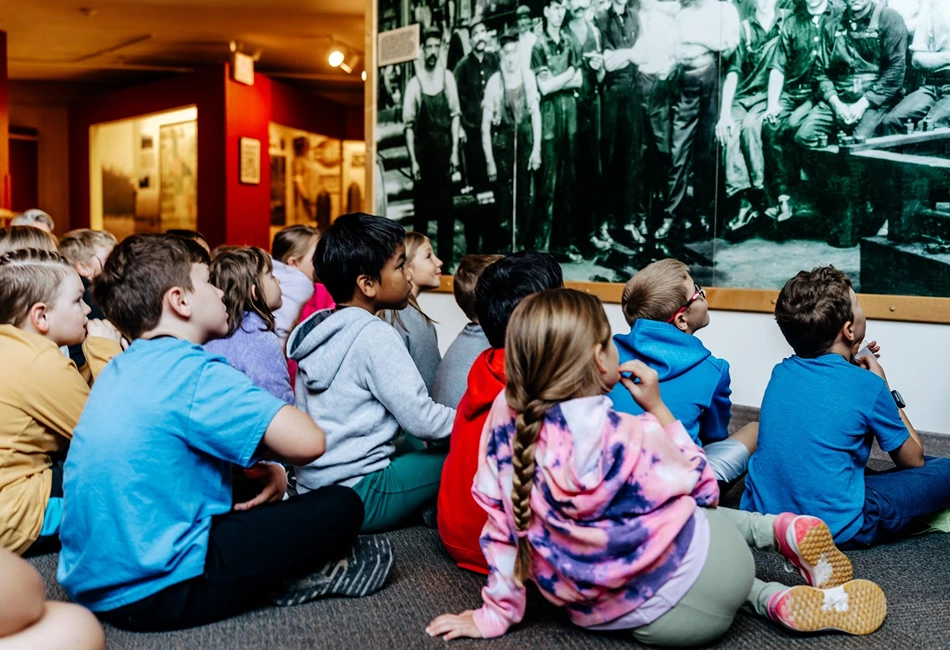
Grout Museum District experiences captivate young learners. Credit – Grout Museum District Facebook
The district’s Sullivan Brothers Iowa Veterans Museum tells another distinctly Iowa story. Named for five brothers from Waterloo who served and died together aboard the USS Juneau during World War II, the museum honors Iowa veterans from the Civil War through the present. Exhibits, authentic artifacts and oral histories help students examine military service through the experiences of individual Iowans and their families. The museum’s oral-history archive includes more than 1,600 interviews with veterans from 70 Iowa counties.
Groups can also arrange a visit to the Rensselaer Russell House Museum, an 1861 Italianate home that introduces students to Victorian architecture and domestic life in 19th-century Waterloo.
Tour Operator Takeaway
Together, the district’s sites show how science, migration, military service and community development contributed to Iowa’s larger story, making the Grout Museum District a versatile addition to STEM, history and civics itineraries.
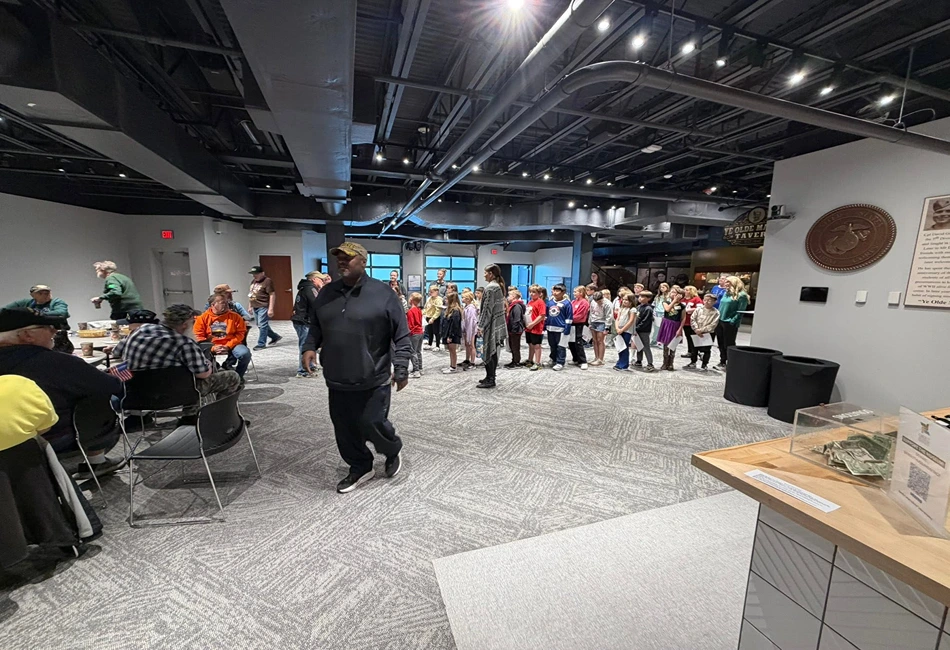
Students visit veterans at Sullivan Brothers Iowa Veterans Museum in Waterloo. Credit – City of Waterloo, Iowa – City Hall Facebook
Science Center of Iowa
The Science Center of Iowa in downtown Des Moines introduces younger learners and high school groups to scientific problem-solving through hands-on exhibits, demonstrations and planetarium experiences.
School visits can include exhibit platforms, live programs, Discovery Labs and Innovation Lab workshops. Programs encourage students to test ideas, work collaboratively and apply science rather than simply observe it.
Topics may include robotics, engineering, computer programming, artificial intelligence and machine learning. These experiences complement Iowa’s broader innovation story by showing that technology careers are not confined to the coasts or to major technology hubs. They are increasingly connected to Iowa industries such as agriculture, insurance, finance, manufacturing and bioscience.
Tour Operator Takeaway
Operators can pair a visit to the Science Center with an Iowa State University tour to create a progression from basic scientific inquiry to university research and real-world application.
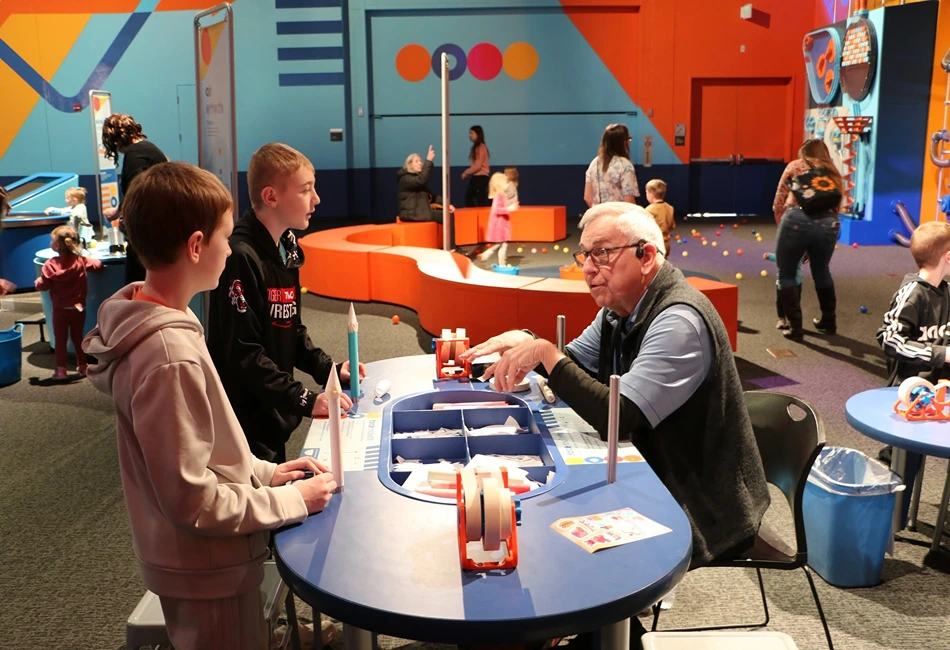
Interactive learning opportunities abound at the Science Center of Iowa. Credit – Science Center of Iowa Facebook
Planning a student trip? Explore more destinations and educational experiences in the Student Travel Planning Guide.
Agriculture and Food Systems
Living History Farms
Agriculture is central to Iowa’s identity, but Living History Farms helps students understand that the state’s agricultural success did not happen automatically.
The 500-acre outdoor museum in Urbandale interprets more than 300 years of Midwestern farming history. Its historical farm sites include a 1700 Ioway Farm, an 1850 Pioneer Farm and a 1900 Horse-Powered Farm, along with the recreated town of Walnut Hill. Together, they show how Indigenous knowledge, settlement, machinery, transportation and changing markets transformed the prairie.
This chronological approach makes the attraction especially valuable for student groups. Rather than treating farming as a single occupation, it reveals how agriculture changed over time and how those changes affected families, animals, labor and the land.
School field trips are offered during portions of the spring and fall, while reservation-based Exploration Programs are available during the colder months. Depending on the programming, students may investigate livestock care, food preservation, fieldwork, domestic life, historic schooling and the work of tradespeople in an 1870s town.
Tour Operator Takeaway
A visit can support lessons in history and environmental science while also introducing modern questions: How has technology changed food production? What does sustainable farming require? How do societies balance productivity with soil and water conservation?
Working Farm Experiences
Working farms allow students to see that Iowa agriculture is not only part of the past. It remains a sophisticated system involving animal science, food safety, business management, technology and environmental stewardship.
At Hansen’s Dairy near Hudson, scheduled group experiences may introduce students to dairy cattle, farm facilities and the process of turning milk into consumer products. Experiences should be confirmed directly according to season, group size and current biosecurity requirements.
The Henry A. Wallace Country Life Center in Orient (40 minutes from Des Moines) adds an important connection between farming, science and national leadership. The site is associated with the birthplace farm of Henry A. Wallace, an Iowan who became a plant scientist, agricultural editor, U.S. secretary of agriculture and vice president.
Wallace’s career demonstrates why Iowa is especially well positioned for agriculture-based educational travel. His work connected experimentation in crop breeding with questions of food security, public policy and international affairs.
Tour Operator Takeaways
The farm property includes preserved rural landscapes, gardens, walking areas and interpretive opportunities. It can serve as a starting point for discussions about plant genetics, agricultural innovation, government policy and how scientific ideas developed on an Iowa farm influenced food production far beyond the state.
Arts, Architecture and Creative Expression
Figge Art Museum
The Figge Art Museum in Davenport gives students access to major works of art while also reflecting the cultural character of the Mississippi River region.
Docent-guided experiences encourage students to observe carefully, interpret visual evidence and discuss how artists communicate ideas. Depending on availability, groups may also add a studio component that allows students to apply techniques or concepts encountered in the galleries.
The Figge’s value within an Iowa itinerary goes beyond general art appreciation. Its collections and exhibitions can help students examine regional identity, Native American art, American landscapes and the ways migration and the Mississippi River influenced Midwestern culture.
Tour Operator Takeaway
The museum’s riverfront location also makes it easy to connect visual art with architecture, community development and Mississippi River history elsewhere in the Quad Cities.
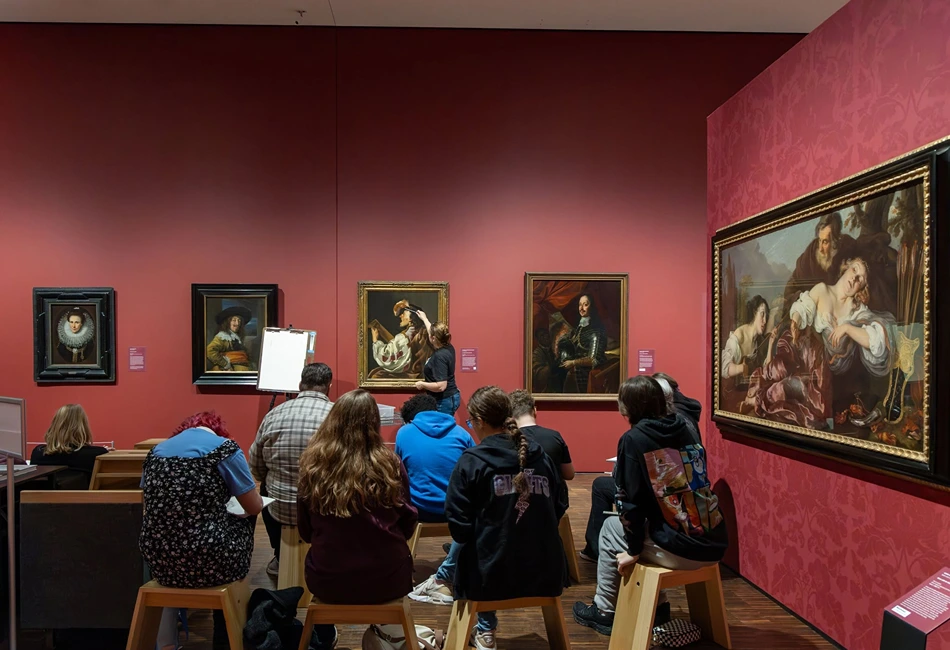
Learn about art conservation and history at Figge Art Museum in Davenport, Iowa. Credit – Figge Art Museum Facebook
Outdoor Learning, Indigenous Heritage and Conservation
Effigy Mounds National Monument
Effigy Mounds National Monument near Harpers Ferry protects one of the most culturally significant landscapes in the Upper Mississippi River region.
The site preserves more than 200 prehistoric mounds, including earthworks shaped like bears and birds. Many contemporary tribal nations maintain cultural connections to the landscape, making it essential that groups approach the site as a place of reflection and respect rather than simply as an archaeological attraction.
Educational options may include ranger-guided or self-guided hikes, a museum visit, a ranger talk and demonstrations connected to ecology and cultural history.
The site allows students to examine how archaeologists and historians learn from landscapes while also discussing the limitations of interpreting cultures through objects and earthworks alone. It can introduce Indigenous sovereignty, cultural preservation, woodland ecology and the ethical responsibilities involved in protecting burial and ceremonial grounds.
Tour Operator Takeaway
For tour operators, the experience is strongest when students are prepared in advance to understand the site’s sacred nature.
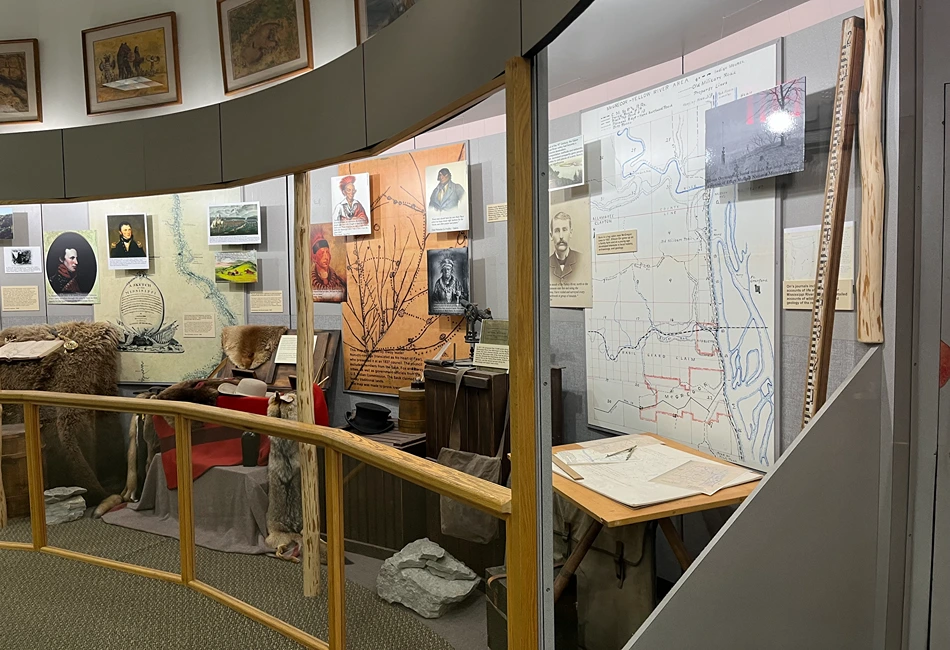
Effigy Mounds National Monument gives students a firsthand look at prehistoric earthworks and teaches groups about the site’s sacred nature. Credit – Allamakee County Economic Development & Tourism
Mississippi River Learning Experiences
The Mississippi River has shaped Iowa’s trade, settlement, wildlife, industry and cultural exchange. In eastern Iowa, students can study the river as both a natural ecosystem and an economic corridor.
The National Mississippi River Museum & Aquarium in Dubuque brings these themes together through aquariums, historic vessels, interactive exhibits and programs exploring river wildlife, conservation and transportation.
A museum visit can help students understand how watersheds connect inland communities to the Gulf of Mexico, why healthy rivers are critical to wildlife and agriculture, and how steamboats and other vessels influenced the growth of Mississippi River towns.
Living-history experiences at the Mathias Ham Historic Site can add the perspective of a 19th-century river community.
Tour Operator Takeaway
Combined, these attractions allow students to consider how geography determines where cities develop and how communities respond to floods, changing industries and environmental pressures.
Farther north, Pikes Peak State Park provides a landscape-based companion experience. The park’s overlooks offer expansive views of the Mississippi River, while an approximately half-mile boardwalk leads toward Bridal Veil Falls and passes Bear Mound, an effigy associated with the Woodland cultural era. The park is useful for environmental observation, geology and discussions of how natural and cultural resources can occupy the same protected landscape.
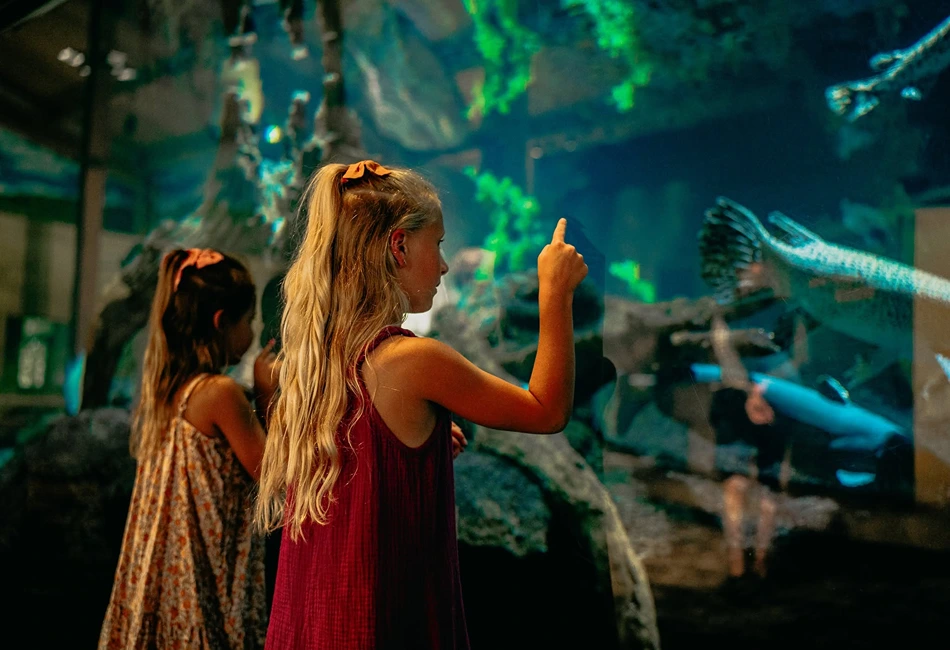
National Mississippi River Museum and Aquarium provides up-close experiences to learn about the Mississippi River’s ecosystem. Credit – National Mississippi River Museum & Aquarium Facebook
The Loess Hills
Along Iowa’s western border, the Loess Hills give students access to one of the state’s most distinctive natural landscapes.
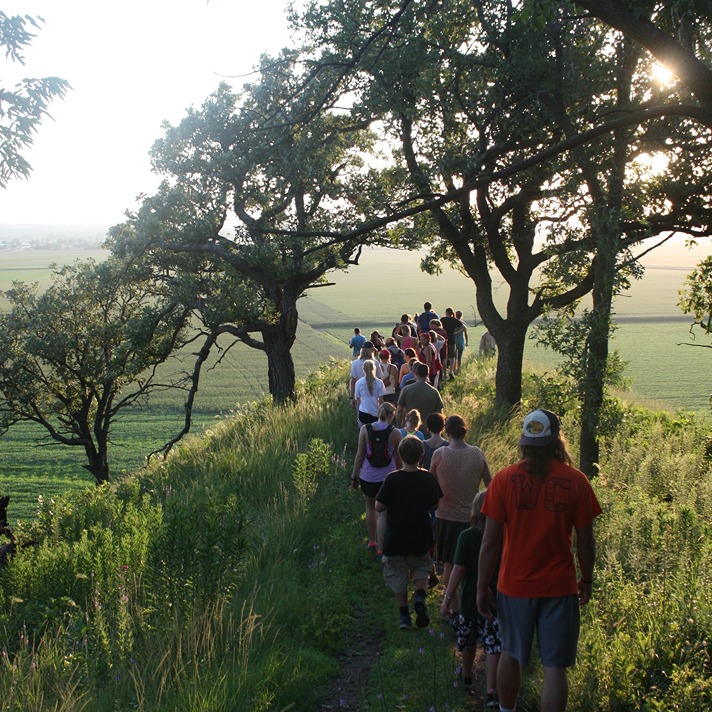
A student group explores the natural beauty of the Loess Hills. Credit – Pottawattamie County Conservation
Formed from deep deposits of windblown silt following the last Ice Age, the hills extend for nearly 200 miles and reach approximately 15 miles across at their widest point. Although loess soil can be found in other parts of the world, the depth, height and sharply defined ridges of western Iowa’s deposits make this landscape especially significant.
Near Council Bluffs, Hitchcock Nature Center provides a focused starting point for exploring the region. Operated by Pottawattamie County Conservation, the preserve protects the Loess Hills’ remnant prairie, woodlands and diverse plant life. Its trails and interpretive opportunities can support lessons in geology, ecology, erosion, prairie conservation and the ways plants and wildlife adapt to specialized habitats.
Students can examine how wind and glacial activity created the hills, compare prairie and woodland ecosystems and consider why conservation is especially important in a fragile landscape. The area can also introduce broader Iowa stories involving westward migration, agriculture and settlement along the Missouri River.
Tour Operator Takeaway
Rather than attempting to travel the entire Loess Hills National Scenic Byway, tour operators can base an experience around Hitchcock Nature Center and nearby Council Bluffs attractions. This creates a manageable outdoor-learning component while giving students time to engage meaningfully with a landform that helps distinguish western Iowa from the rest of the state.
In the Loess Hills, the landscape itself becomes the classroom—and the primary exhibit.
Planning an Iowa Student Itinerary
Build Around Regional Learning Clusters
Iowa is best experienced through regional clusters rather than as a single statewide loop. The state measures roughly 300 miles from east to west, so an itinerary that attempts to include every major region may create more bus time than educational value.
More focused combinations include:
- Des Moines and Ames: State government, Iowa history, hands-on science, agricultural history and university pathways.
- Waterloo and Cedar Falls: Agricultural manufacturing, engineering, skilled trades, working farms and higher education.
- Iowa City, West Branch and the Amana Colonies: Presidential history, immigration, communal culture, literature and university life.
- Dubuque and northeast Iowa: Mississippi River ecology, transportation history, Indigenous cultural landscapes and outdoor conservation.
- The Quad Cities: Art, river history, engineering, manufacturing and urban development along the Mississippi.
- Council Bluffs and the Loess Hills: Geology, prairie conservation, westward migration and Missouri River history.
Traveling to and Around Iowa
Many student groups arrive in Iowa by motorcoach, particularly those traveling from neighboring Midwestern states. Iowa’s interstate highways and regional cities make it possible to build focused itineraries without relying on air travel or spending excessive time in transit.
Groups arriving from farther away may also fly into Des Moines International Airport or the Eastern Iowa Airport in Cedar Rapids before continuing by coach. The most practical gateway will depend on the region included in the itinerary rather than simply which airport is closest.
For transportation within the state, operators can work with Iowa-based providers such as CIT Signature Transportation and Windstar Lines. Motorcoach service gives groups the flexibility to connect major cities with farms, parks, historic communities and other educational sites that may not be served by public transportation. CIT provides charter transportation from multiple Iowa markets, including Des Moines and the eastern portion of the state, while Windstar offers group motorcoach service across Iowa and beyond.
When choosing a lodging base, operators should prioritize proximity to the itinerary’s attractions, motorcoach access and group amenities rather than distance from the airport alone.
Des Moines is the strongest entry point for itineraries centered on the capital region, Ames or central Iowa. Cedar Rapids provides convenient access to Iowa City, West Branch, the Amana Colonies, Waterloo and portions of eastern Iowa.
Groups focused on Dubuque or the Quad Cities should also compare flights through nearby regional airports or gateways in neighboring states. For some operators, driving into Iowa from Chicago, Minneapolis-St. Paul, Omaha, Kansas City or St. Louis may be more practical than connecting through an Iowa airport.
Tour Operator Takeaway
Motorcoach transportation remains the most flexible way to connect Iowa’s cities and rural attractions. Operators should verify motorcoach access, parking, meal facilities and restroom availability with farms, parks and historic sites before arrival.
Group Lodging
Iowa’s larger cities offer national hotel brands, group-friendly properties and dining options suitable for student groups. Rather than selecting lodging based solely on proximity to an attraction, operators should choose a central base that reduces daily travel.
Des Moines works well for central Iowa itineraries, while Cedar Rapids can support programs involving Iowa City, West Branch and Amana. Waterloo-Cedar Falls, Dubuque and the Quad Cities can each serve as regional hubs.
When requesting proposals, confirm:
- Motorcoach parking
- Complimentary or group-priced breakfast
- Interior corridors
- Student rooming policies
- Meeting or gathering space
- Proximity to evening dining
- Security procedures
- Early breakfast or available boxed meals
When to Visit Iowa
September and October are particularly appealing for student travel. Temperatures are generally comfortable, fall agricultural activity can add context to farm-based experiences and educational attractions are operating during the school year.
Late April through May is another strong period, especially for outdoor museums, parks and working farms. Spring weather can be variable, so operators should build indoor alternatives into the itinerary.
Summer is suitable for youth groups and educational programs that are not tied to a traditional school calendar. Winter travel can offer lower rates and less crowding, but snow, ice and cold temperatures require more flexible transportation planning.
Tour Operator Takeaway
Availability varies considerably by attraction. Outdoor museums, farms, factory tours and ranger programs may operate seasonally or on limited days, so reservations should be made well in advance.
Mix Multiple Subjects to Tell One Iowa Story
The strongest Iowa itineraries do not treat STEM, history, agriculture and art as separate boxes to check. They show how those subjects intersect.
A central Iowa program might connect historic farming at Living History Farms with modern scientific inquiry at the Science Center of Iowa and university research in Ames.
An eastern Iowa itinerary could combine the Amana Colonies’ immigration story with Herbert Hoover’s childhood and public service, followed by Mississippi River ecology or art in the Quad Cities.
A Waterloo-area program might begin with the history of agricultural machinery, continue into manufacturing and engineering, and conclude with a working farm visit that shows why those technologies matter.
Tour Operator Takeaway
Two to four days will work well for many regional groups. Longer programs should add depth within two adjoining regions rather than trying to cross the entire state.
Frequently Asked Questions
What are Iowa’s primary airports?
Des Moines International Airport and the Eastern Iowa Airport in Cedar Rapids are the state’s principal commercial gateways. Depending on the itinerary and the group’s origin, airports in Omaha, Chicago, Minneapolis-St. Paul, Kansas City or the Quad Cities may also be practical.
What age groups are best suited to an Iowa student trip?
Iowa offers experiences for the full K-12 range. Living-history sites, farms, science centers and aquariums work especially well for elementary and middle school students. High school groups can add college visits, manufacturing, career exploration, civics and advanced environmental programming.
Operators should review individual age restrictions carefully, particularly for factory experiences, laboratories and physically demanding outdoor programs.
When is the best time to visit?
September, October, late April and May provide a strong combination of comfortable weather, school programming and access to seasonal attractions. Exact dates should be based on the itinerary, since farms, outdoor museums, factories and parks follow different schedules.
Is Iowa affordable for student groups?
Iowa can be cost-effective compared with many traditional student destinations. Several museums, historic sites, university experiences and outdoor attractions offer free or modest admission, while the state’s regional cities provide a range of lodging and dining price points.
The greatest savings will come from careful routing. Keeping an itinerary within one or two neighboring regions reduces motorcoach hours, fuel costs and driver expenses.
How much time should a group spend in Iowa?
A two- to four-day itinerary is sufficient for one regional cluster. A five-day program can combine two neighboring regions while still allowing students enough time to engage meaningfully with each experience.
Start Planning an Iowa Student Trip
Iowa offers more than a convenient collection of museums, farms and parks. It tells an interconnected American story.
Its prairie supported agricultural innovation. Its rivers encouraged settlement, transportation and trade. Its immigrant communities established distinctive ways of living. Its factories transformed farm work, its universities advanced research and its leaders influenced national policy and humanitarian efforts.
For tour operators, these connections create the foundation for an educational itinerary that feels cohesive rather than assembled. Students do not simply learn about agriculture, history, engineering or conservation in isolation. They see how each subject has shaped a real place and how that place, in turn, has influenced the country.
That is why Iowa belongs in the student travel conversation: it gives young travelers the space to investigate big national ideas through authentic communities, landscapes and industries that could only be experienced here.
Get fresh field trip ideas, destinations and planning resources delivered to your inbox.
Assistance & Support
- Chelsea Lerud, Executive Director
- Iowa Travel Industry Partners (iTIP)
- clerud@iowatravelindustry.org
- (515) 207-0009
- https://iowatravelindustry.org/itineraries/
Find inspiration for your next student adventure in the annual Student Travel Planning Guide.