
The American Civil War Museum in Richmond and Appomattox gives students a chance to learn about the Civil War through real objects, personal stories, and hands-on activities. Instead of focusing only on battles and dates, the museum looks at how the war affected soldiers, families, enslaved and free Black Americans, women, and communities. Students can explore artifacts and primary sources while learning about the Civil War’s causes, events, and consequences. The museum has three locations, including Historic Tredegar and the White House of the Confederacy in Richmond, along with its Appomattox location.
Educational Programs
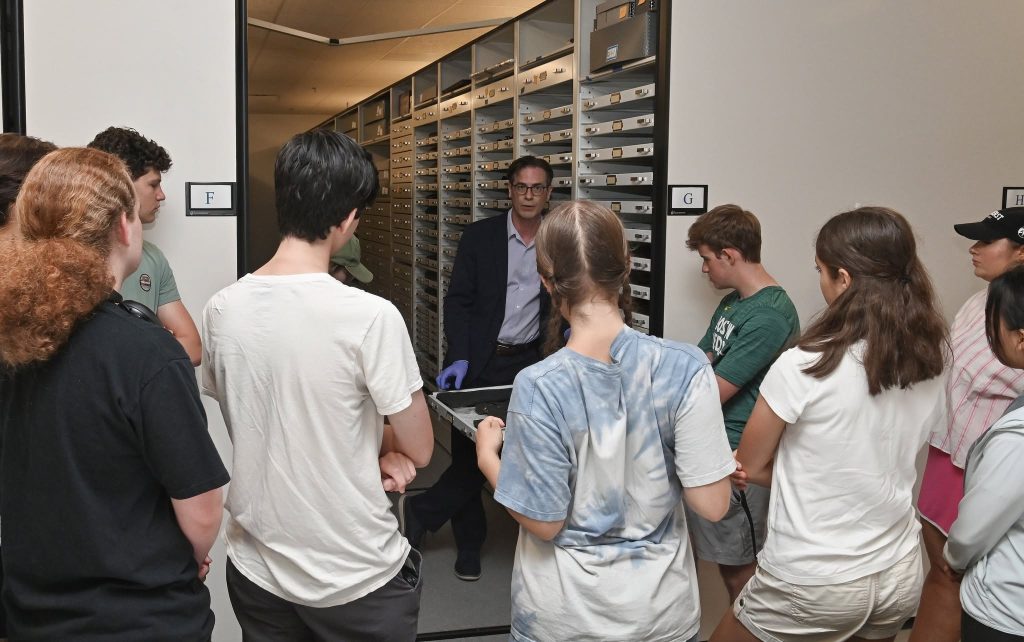
Several student programs are available, so teachers can build a visit around what their class is studying. At Tredegar, students can explore more than 500 artifacts during the permanent gallery tour, investigate reproduction artifacts and primary sources, or learn about the everyday experiences of Civil War soldiers. The Medicine in the Civil War program looks at how disease affected soldiers and how doctors and nurses changed medical practices during the war. At Appomattox, students can explore rural Virginia life, investigate artifacts, or learn how geography and climate influenced the war. Most programs are about 30 minutes, making it possible to combine multiple experiences during a visit.
Field Trip Experiences
For educators, the museum strongly focuses on helping students think like historians. Programs use primary sources and artifacts to encourage students to examine evidence, consider different perspectives, and better understand the people behind the history. Student programming aligns with the Virginia Standards of Learning and Common Core, and programs can be adapted for different ages, interests, and abilities. Groups of 15 or more can also take advantage of student group rates, and one teacher or chaperone is admitted free for every 10 students. Reserve field trips at least two weeks in advance.
The museum also gives teachers plenty of ways to continue the conversation back in the classroom. Before visiting, students could examine a photograph, document, or artifact and predict what it tells them about the Civil War. During the trip, they can look for evidence that supports or challenges those first ideas. Afterward, students could create a timeline, compare the experiences of different groups, or write about one artifact that helped them better understand the period. The museum also provides free educator resources on topics such as soldiers, African Americans, women, emancipation, slavery, Reconstruction, and the home front.
Educational Programs
If a trip to the museum isn’t possible, the American Civil War Museum can bring its programs directly to schools or virtual classrooms. Museum educators can lead students through hands-on artifact investigations and lessons on subjects such as Civil War medicine, or conduct virtual programs through platforms including Zoom, Google Meet, and Microsoft Teams. The museum also offers teacher workshops and institutes designed to give educators additional tools for teaching the Civil War and its lasting impact.
The American Civil War Museum is a strong field-trip choice for teachers who want students to see the Civil War as a story about people, not just a list of events. The artifacts, historic locations, and interactive programs give students opportunities to investigate history for themselves and think about how the war changed American lives. Whether they are examining an artifact, exploring a historic building, or learning about life on the home front, students have plenty of opportunities to connect what they are studying to their own lives. This hands-on history experience can make a complicated period feel more understandable and memorable.