
The Science Museum of Virginia in Richmond invites students to get hands-on with every aspect of STEM, from physics and engineering to astronomy and ecology. This museum blends interactive exhibits, live demonstrations, and immersive programming to bring science to life for learners of all ages.
Hands-On Activities
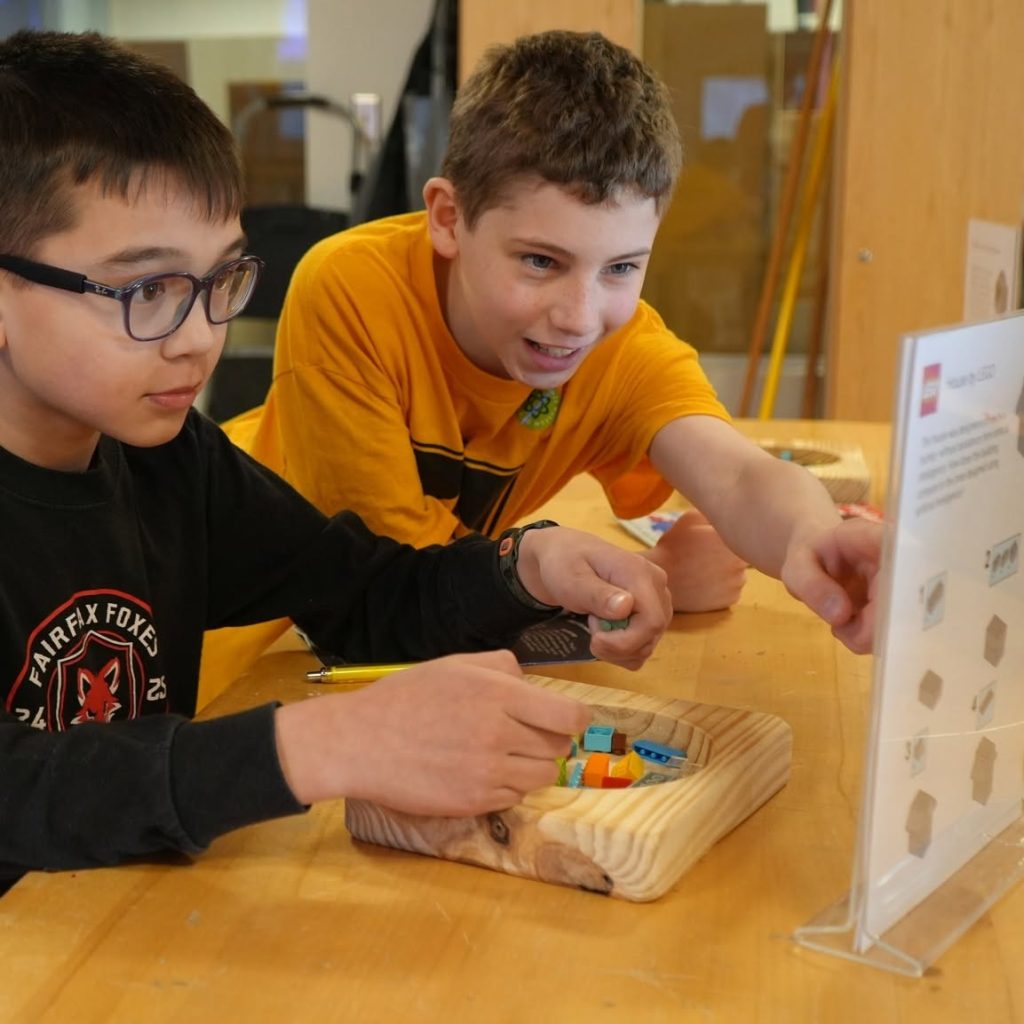
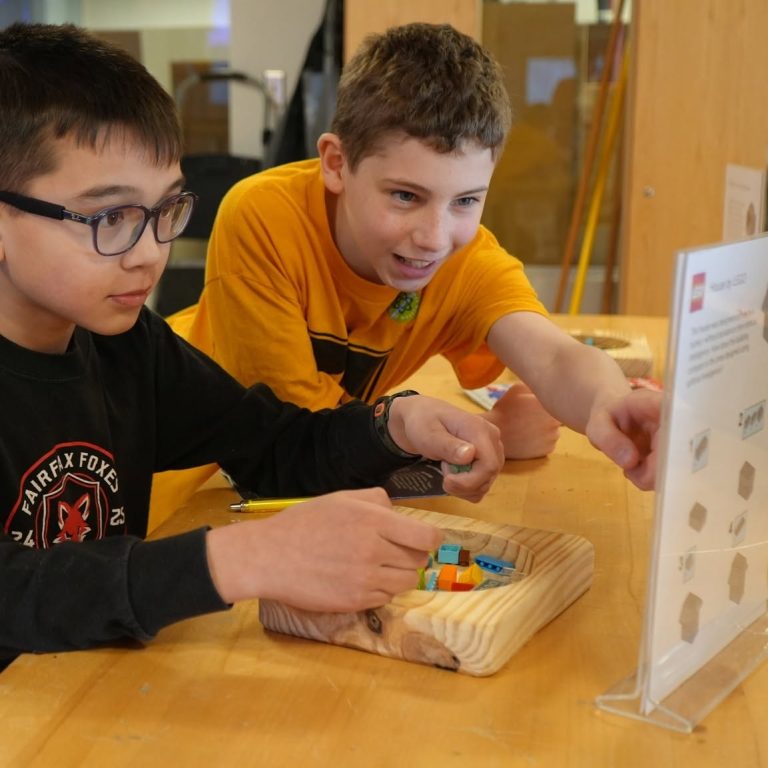
Groups visiting the museum can expect to explore hands-on labs and engineering challenges that build problem-solving skills, alongside an innovative makerspace where students design and create. From beloved long-time museum installations to exciting new features, there is always more for visiting groups to explore.
New to the museum for the 2026-27 school year is Orbit – a permanent astronomy installation that takes students through the physics, biology, and engineering of space. For an ever-changing selection of exhibits that reflect a fresh rotation of student activities, check out their touring exhibitions. A rotating selection offers hands-on learning on a diverse array of topics. Students can get a firsthand look at search and rescue through simulations that put them in the shoes of firefighters and first responders. A Boeing presentation takes students on aerospace adventures that spark creativity and engage critical thinking.
Interactive Labs and Exhibits
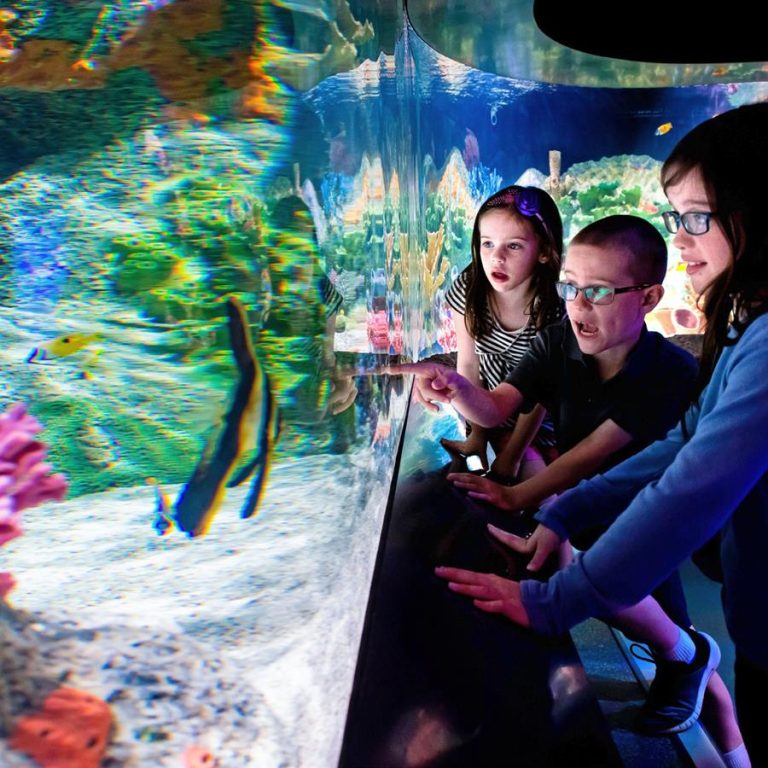
Beyond the exciting novelty of rotating exhibits are the tried-and-true museum favorites. The Animal Lab offers up-close encounters with frogs, snakes, spiders, and other live animals; the Eco Lab dives into ecology and environmental science; and the Art Lab connects creativity with scientific concepts. Rotating touring exhibitions ensure there’s something new to discover on every visit, and live science programming keeps groups engaged all day long.
Immersive Learning Opportunities
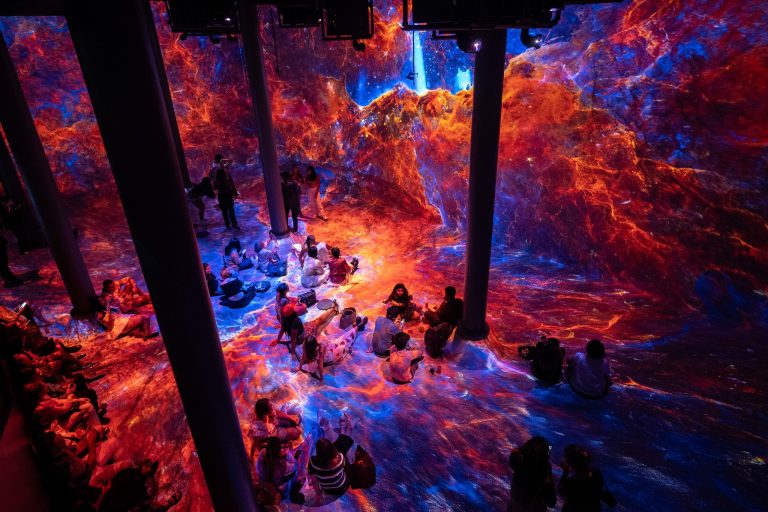
No visit is complete without a trip to The Dome, the largest screen in the state, where films and astronomy programs transport students from the ocean floor to the outer edges of space. Joining the extensive collection of educational films – from the birth of the planet to the secret of the sea and beyond – are three new programs. The new features for The Dome cover the history of horses across the globe, the rehabilitation of wild animals, and an exploration of the Milky Way both past and future. All of The Dome’s features include science standards of learning that inform on one or more of the following subjects: biology, chemistry, earth science, environmental science, life science, physics, and physical science.
Educator Resources
The museum invites you to bring your classroom lessons to life with help from the museum’s many field trip-friendly resources and guides. Download their free field trip guide before your visit to help with planning. With so much to discover, their extensive guide will point your trip in the right direction for your desired learning outcomes. Student programs align with STEM curriculum standards and can be tailored to different grade levels and group sizes, making the museum a flexible option for school field trips and student tour and travel groups.
With its mix of hands-on labs, live animals, dynamic screen experiences, and ever-changing exhibitions, the Science Museum of Virginia offers a full day of discovery that turns core science concepts into memorable, real-world experiences for young visitors.