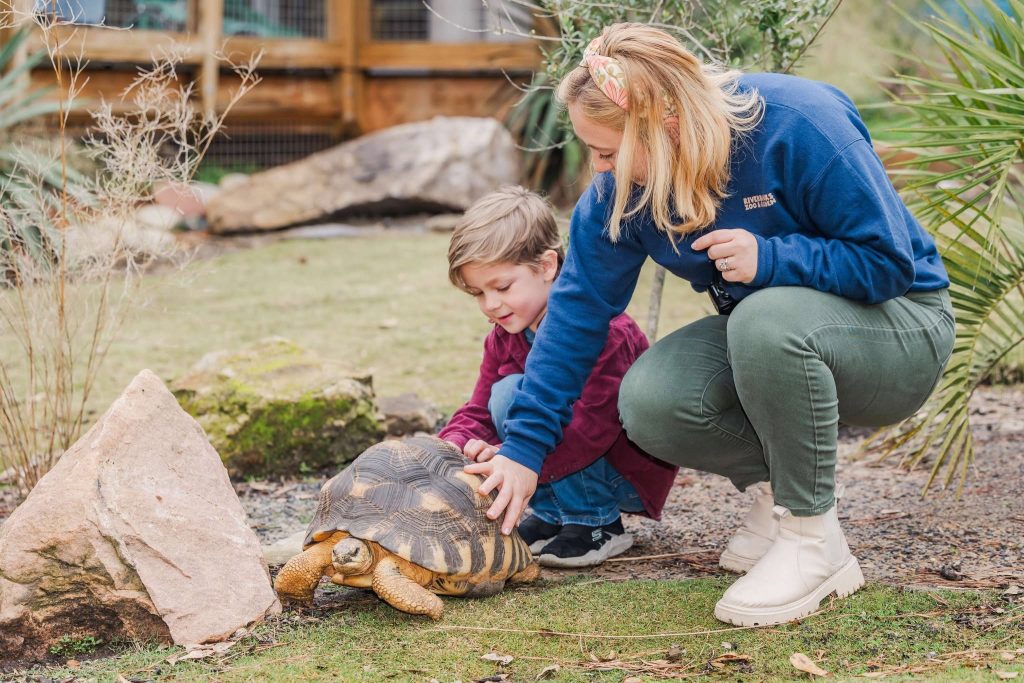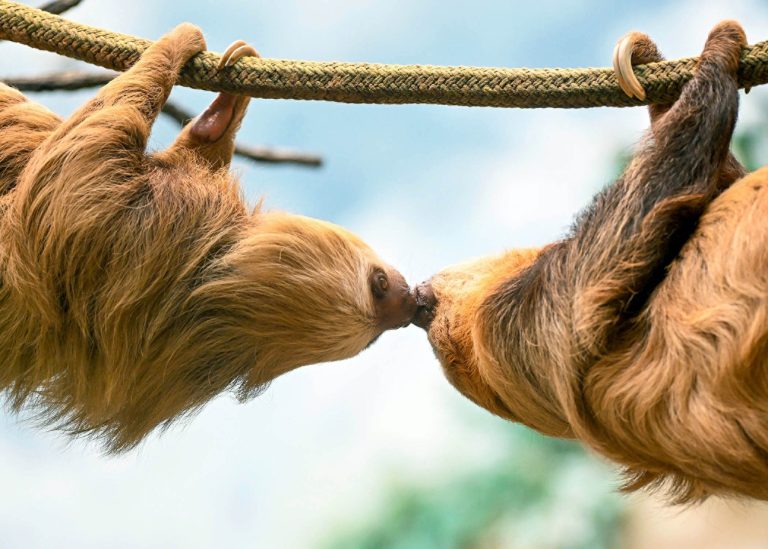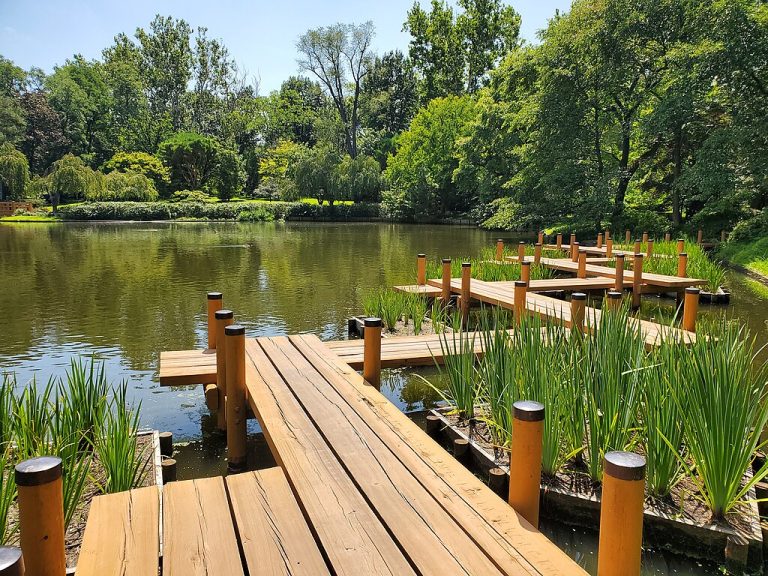

Riverbanks Zoo & Garden in Columbia is the kind of field trip that can turn a regular science lesson into a day students will actually remember. With hundreds of animals, beautiful gardens, and plenty of opportunities to see wildlife up close, the zoo lets students explore concepts they may have only read about in class. Its education programs focus on conservation, wildlife, and hands-on learning, with options for students from preschool through high school. Even better, the programs are designed around South Carolina Science Academic Standards, making it easy for teachers to connect a fun day at the zoo with what students are already learning in class.
Field Trip Experiences
Teachers can choose from several different ways to experience Riverbanks. School groups can explore the zoo on a self-guided visit or add a standards-aligned program led by one of the zoo’s educators. Younger students might wiggle, crawl, and hop their way through “On the Move,” while kindergarteners can learn what it takes to care for an animal. Older students can investigate adaptations, seed dispersal, extinction, animal structures and senses, or even plankton’s role in the ocean food web. Instructor-led tours also focus on animal adaptations, senses, prehistoric creatures, and zoo careers.
For educators, the variety is one of Riverbanks’ biggest strengths. On-site classroom programs last 45 minutes and can accommodate up to 25 students and two adults, while instructor-led tours offer smaller groups a more focused experience. Schools can also use self-guided GooseChase activities that give students questions and challenges to complete on their phones or with a chaperone. For teachers who cannot make the trip to Columbia, Riverbanks offers “Riverbanks on the Road,” bringing hands-on activities and animal biofacts directly to schools. The outreach programs cover many of the same science topics and align with South Carolina standards.
Educational Lessons
The zoo also makes it easy to build a lesson around the field trip before students ever arrive. A class studying adaptations could have students choose an animal and predict what physical features help it survive. A lesson on ecosystems could become a search for different habitats and food chains throughout the zoo. Older students might investigate conservation issues and consider how humans affect wildlife, while younger students could simply focus on identifying animal behaviors and characteristics. Riverbanks even offers a Career Day for elementary through high school students, allowing them to meet zoo professionals and learn about careers in animal care, education, horticulture, and other areas.
Riverbanks Zoo & Garden is a great choice for teachers who want a field trip that combines plenty of excitement with meaningful classroom connections. Students get the fun of seeing animals in person, plus opportunities to ask questions, make observations, solve problems, and think about conservation in a hands-on way. With programs ranging from preschool activities to high school science and career experiences, Riverbanks can grow with students as they move through different grade levels. For a South Carolina field trip, it offers a little bit of everything: wildlife, science, nature, conservation, and plenty of memorable moments along the way.