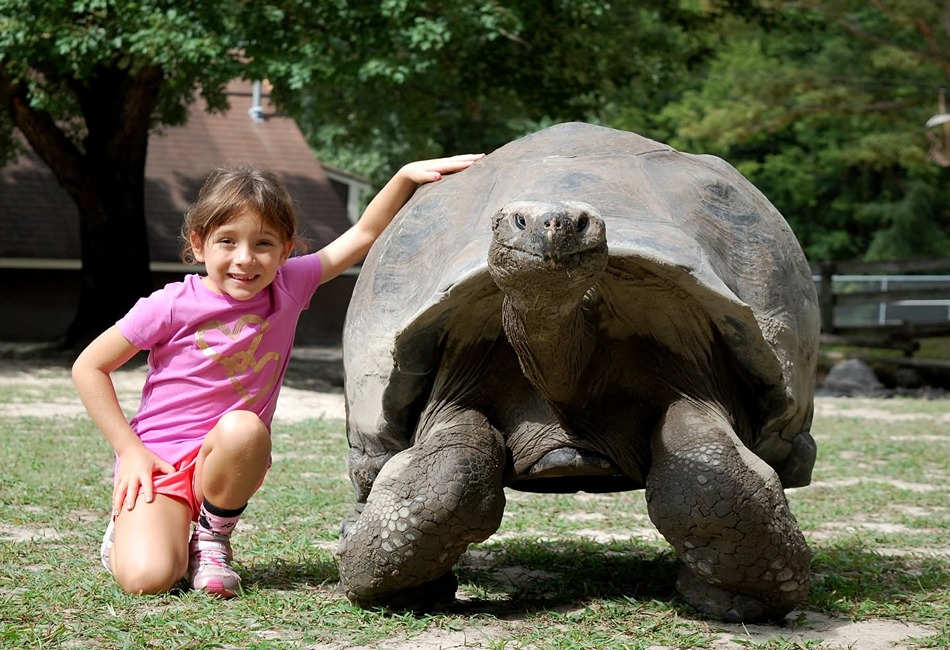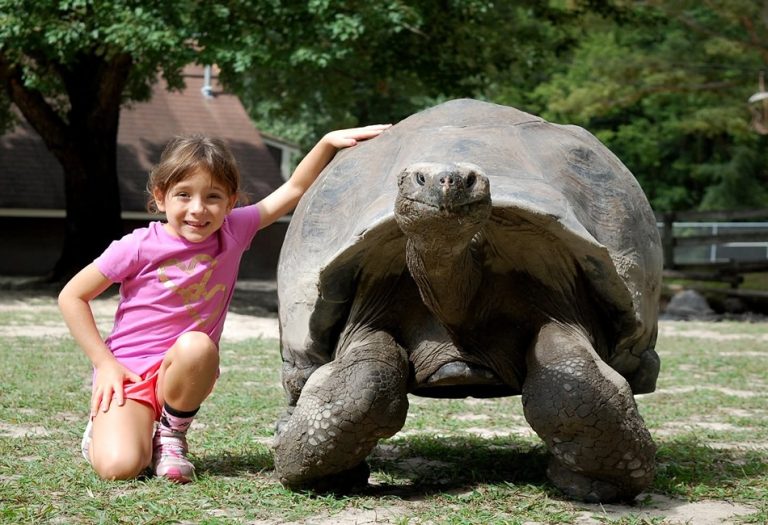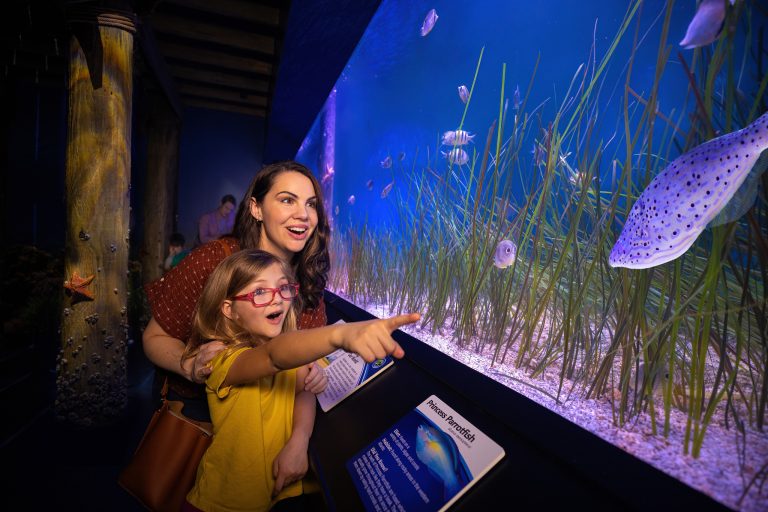

A visit to Metro Richmond Zoo gives students the opportunity to see the animal world up close while exploring the science behind the species they encounter. Home to more than 2,000 animals from around the world, the zoo offers a wide variety of species for students to observe, from American alligators and Bengal tigers to cheetahs and chimpanzees. For elementary and middle school groups, the experience provides a natural introduction to topics such as zoology, habitats, adaptations, biodiversity, and conservation. Instead of learning about animals only through pictures or videos, students can watch their behaviors and physical characteristics in person. With such a wide variety of animals and creatures, there is something new to discover around nearly every corner.
Zoo Experiences
Field trips include a 20-minute educational presentation featuring animal ambassadors. During these presentations, students receive an up-close introduction to selected species while learning about their behaviors, habitats, and unique characteristics. Seeing an animal up close can make a lesson on adaptation or animal behavior much more memorable. Depending on the visit, students may also can hand-feed giraffes and other animals. These encounters give students a chance to participate rather than simply walk past an exhibit. The zoo also offers scheduled activities throughout the day, including penguin feedings and species talks. These programs give groups additional opportunities to stop, observe, and learn from zoo staff.
Educational Opportunities
The animals themselves provide plenty of opportunities for science lessons. Students can compare different species and consider how their physical features help them survive in their environments. A tiger’s strength, a giraffe’s height, or a penguin’s adaptations for life around water can all lead to questions about how animals interact with their habitats. With species from many parts of the world, the zoo can also introduce students to biodiversity and the importance of protecting different ecosystems. Conservation becomes easier to understand when students can connect the topic to animals they have seen and learned about during their visit. The experience can encourage students to think about the relationship between animals, their environments, and the people working to protect them.
Elementary and Middle School Learning
The zoo is well suited to elementary and middle school groups because its activities can support a range of science topics and learning levels. Teachers can use the visit to reinforce lessons about animal classification, habitats, adaptations, food webs, biodiversity, or conservation. Younger students may focus on identifying animals and noticing their basic characteristics, while older students can consider more complex questions about ecosystems and species survival. The combination of scheduled presentations, animal encounters, and independent exploration also gives teachers flexibility throughout the day. Students can participate in a structured lesson and then continue learning as they explore the rest of the zoo with their classmates.
Interactive Learning Environment
Metro Richmond Zoo turns a traditional animal field trip into an opportunity for students to investigate the natural world firsthand. A giraffe encounter or penguin feeding can become more than a memorable moment when students understand the science behind what they are seeing. With thousands of animals and a wide range of habitats represented, the zoo gives groups plenty of ways to connect classroom concepts with real animals. Students leave with more than pictures and memories. They also gain a better understanding of how animals are adapted to their environments and why protecting biodiversity matters. For young learners especially, seeing these animals in person can be the moment when a science lesson becomes something they can truly remember.