Make every field trip dollar work harder with smart strategies to stretch budgets without sacrificing educational value
By Abby Shelton
Rising transportation and admission costs can make field trips increasingly difficult to justify, particularly when schools are reluctant to place additional financial assistance on families. However, budget-friendly doesn’t have to mean limiting the learning experience. To build a memorable journey without a huge price tag, start with your learning objectives, take advantage of free and low-cost educational resources, and research funding before finalizing the trip.
Start with the Budget, Not the Destination
When teachers begin planning, it’s tempting to start by asking, “Where do we want to go?” A better question is, “How can we make the most of the budget we have?”
Instead of building an expensive trip and trying to find ways to pay for it later, build a great learning experience around resources that are already affordable. State parks, historic sites, university museums and National Park Service locations often offer curriculum-based programming for school groups at little or no cost. These resources are easy to overlook when planners begin with well-known attractions.
Ask About Off-Peak Dates
One of the easiest ways to reduce costs has nothing to do with choosing a different destination. School trip planners should ask attractions, transportation companies, and hotels whether certain weekdays or periods offer lower rates or greater group availability. If your school calendar allows it, simply moving a trip by a few weeks can stretch your budget much further.
Make Every Bus Mile Count
Transportation is often one of the biggest field trip expenses, so make every mile count. Rather than planning an entire day around a single attraction, look for opportunities to bundle experiences together. A history class, for example, could visit a state historic site in the morning, eat lunch in a nearby historic downtown district, and spend the afternoon exploring a state park that connects to the same unit of study.
Also look for walkable clusters where a bus can drop off students near several museums, historic sites or other attractions that can be reached on foot, reducing mileage, parking complications and driver time. Students experience more, teachers gain stronger curriculum connections, and schools get greater value from the transportation expense.
Ask About School-Specific Assistance
Financial assistance isn’t always displayed alongside admission prices. Before assuming the published group rate is the only price option, contact the education department and ask about Title I subsidies, transportation assistance, scholarships, fee waivers, and educator preview visits.
Plenty of museums and cultural attractions welcome teachers for free when they’replanning future student trips. The Country Music Hall of Fame in Nashville is one example, but it’s worth asking any location you’re considering. A preview visit can help educators understand accessibility, logistics, timing, and how the experience will connect to classroom objectives before bringing students on site.
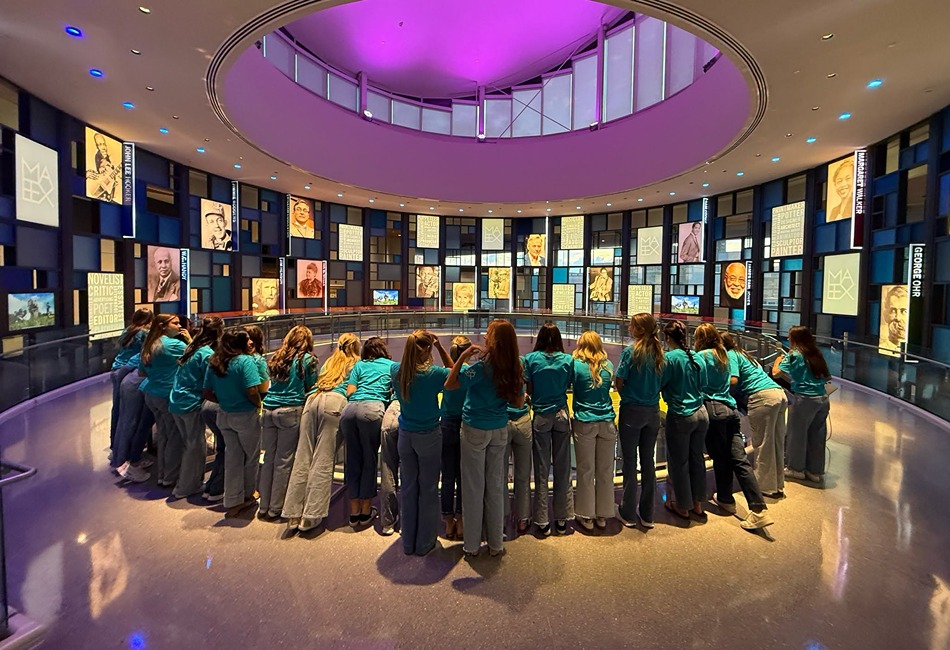
(PHOTO CAPTION/CREDIT: The Mississippi Arts and Entertainment Experience. Photo credit – The MAX Facebook)
Find Funding Before Asking Families to Pay
National Assistance
A great place to start is with the Every Kid Outdoors program, which provides fourth-graders with a free participation pass to federal lands and waters, making it especially useful for schools planning trips to eligible NPS and other federal recreation sites. For schools located within driving distance of participating federal lands, the program can eliminate admission costs for eligible fourth-grade groups.
Schools interested in outdoor learning should also look at the National Park Trust’s Kids to Parks Day School Grants, an annual opportunity that helps under-resourced schools cover transportation costs for visits to public lands. In 2026, the National Park Trust offered up to $1,000 to Title I pre-K–12 classrooms for educational park experiences.
State Opportunities
Several state arts agencies have offered transportation grants under the name “Big Yellow School Bus,” helping schools offset the cost of visits to museums, theaters, and other cultural institutions. Because these are separate state programs, eligibility, program status and award amounts vary. Trip planners should check with their state arts agency for any current opportunities.
Before you start building your budget from scratch, it’s worth spending a little time researching available funding. Student Travel Pro’s Grants & Funding hub brings together state-by-state opportunities in one place, making it easy to find transportation assistance, scholarships and destination-specific offerings.
Budget Wins Across the Southeast
Throughout the Southeast, free admission, grant-supported programs and discounted school rates can significantly reduce the cost of a field trip. Here are several opportunities worth putting on educators’ radars.
North Carolina
North Carolina’s state park system gives teachers dozens of opportunities for low-costoutdoor learning. With 40-plus parks offering educational programming, many schools can schedule ranger-led experiences at little or no cost. Programs cover everything from ecosystems and geology to local history and wildlife, making them easy to connect to classroom standards.
For example, admission to Bennett Place State Historic Site in Durham is free, giving history groups a no-cost way to explore the site of the largest troop surrender of the Civil War. The site also hosts an annual event called Civil War School Days, with free adult admission and $1 for children, featuring costumed interpreters, interactive experiences, and living history demonstrations.
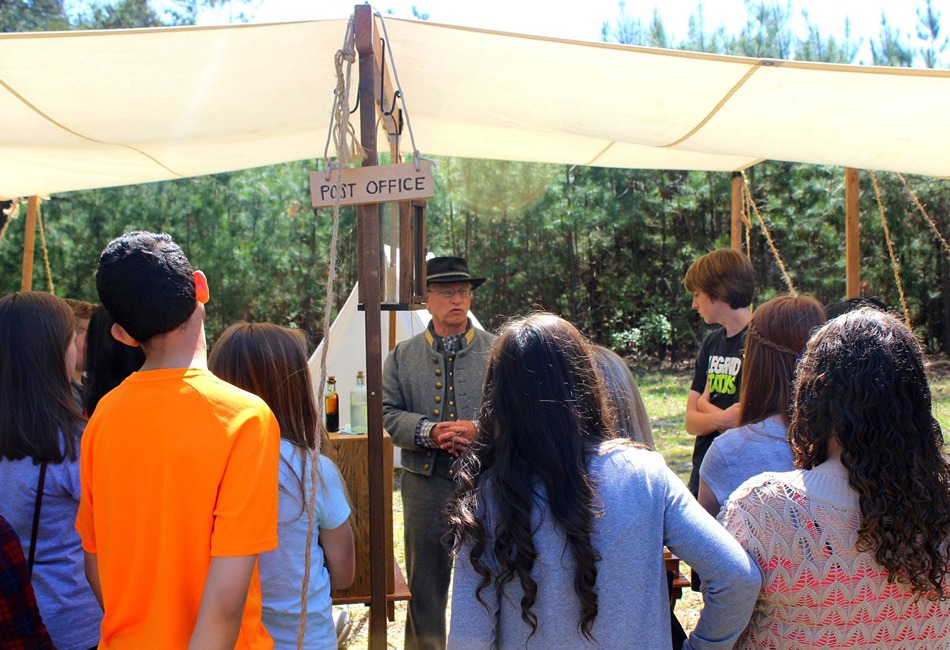
(PHOTO CAPTION/CREDIT: Annual Civil War School Days at Bennett Place State Historic Site in Durham, North Carolina. Photo credit: Bennett Place Historic Site Facebook)
Tennessee
If your class is studying Tennessee history, government or culture, the Tennessee State Museum in Nashville offers free admission and curriculum-based programs designed specifically for school groups, including guided gallery tours, hands-on programs and costumed experiences. Discover other options, including free things to do in Nashville to pair with your Tennessee field trip.
Teachers planning music, arts or cultural studies may also want to explore the Country Music Hall of Fame and Museum. Tennessee educators can often visit for free while scouting future field trips, making it easier to plan with confidence.
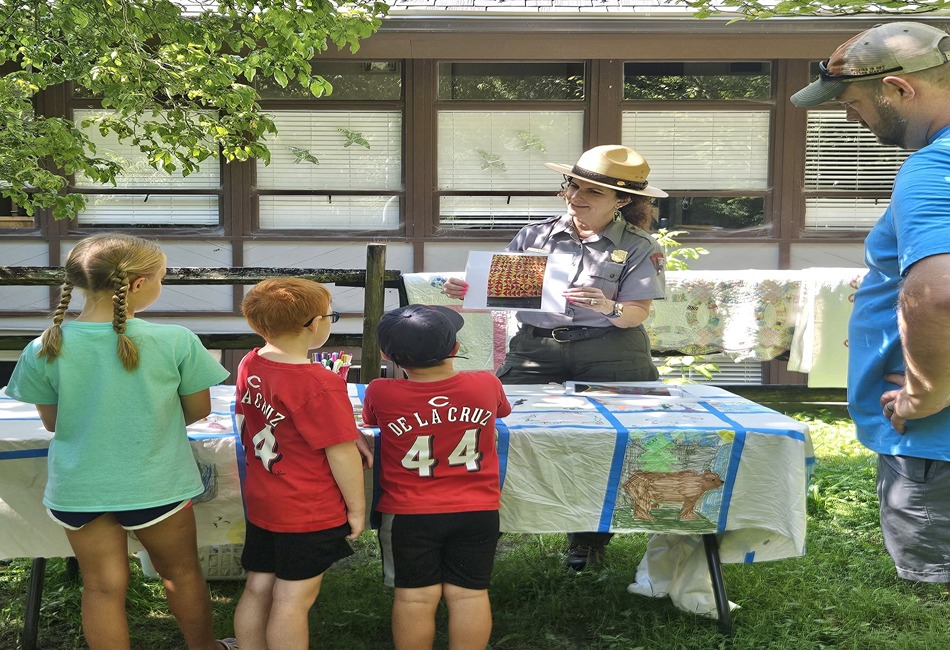
(PHOTO CAPTION/CREDIT: The Great Smoky Mountains National Park offers Junior Ranger Programs to middle school students. Photo credit: NPS)
For science and environmental studies, Great Smoky Mountains National Park offers another admission-free option for science, environmental studies and Appalachian history. Ranger-led programs help students experience ecology, conservation and Appalachian history in a way no textbook can. While there is no entrance fee, vehicles parking longer than 15 minutes normally require a parking tag. Ask if your group qualifies for parking exemptions under the park’s educational policies.
Georgia
Georgia’s annual Super Museum Sunday has offered free admission to participating state historic sites and cultural institutions, making it an event educators can watch for when planning future trips. Georgia state parks offer affordable educational programs focused on natural resources, wildlife and state history, with costs varying by site and program.
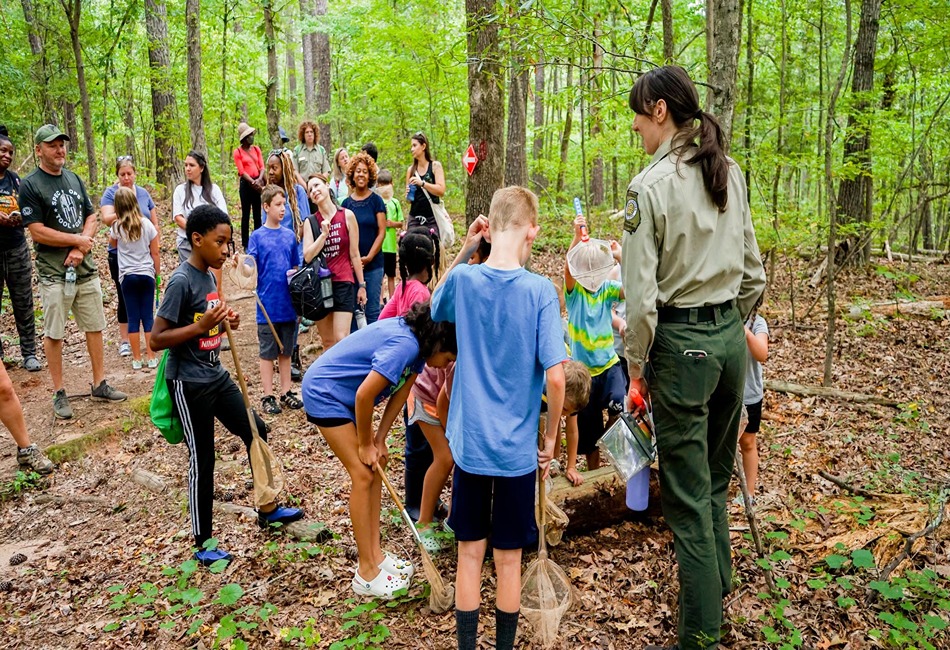
(PHOTO CAPTION/CREDIT: Students on a Georgia state park field trip. Photo credit: Georgia State Parks & Historic Sites – Georgia DNR Facebook)
Kentucky
Kentucky state parks include several historic sites with educational programs covering archaeology, environmental science and Kentucky history. For example, Old Fort Harrod offers a $4 school-group rate for parties of 20 or more, while Waveland lists a $4 school-group rate for prearranged groups of 10 or more.
Florida
Florida educators can turn the state’s natural environments into outdoor classrooms without paying the standard state park day-use entry fee. Florida school groups can visit state parks without paying the day-use entry fee when the field trip is curriculum-related and for educational purposes. Schools should provide a letter from an appropriate school official confirming the purpose of the visit.
Florida state parks encompass wetlands, springs, coastal habitats, historic sites, forests, and wildlife ecosystems, creating opportunities for field trips focused on environmental science, conservation, Florida history and STEAM learning. Numerous parks also offer facilitated or self-guided educational programming for a structured learning experience without relying on traditional attraction costs.
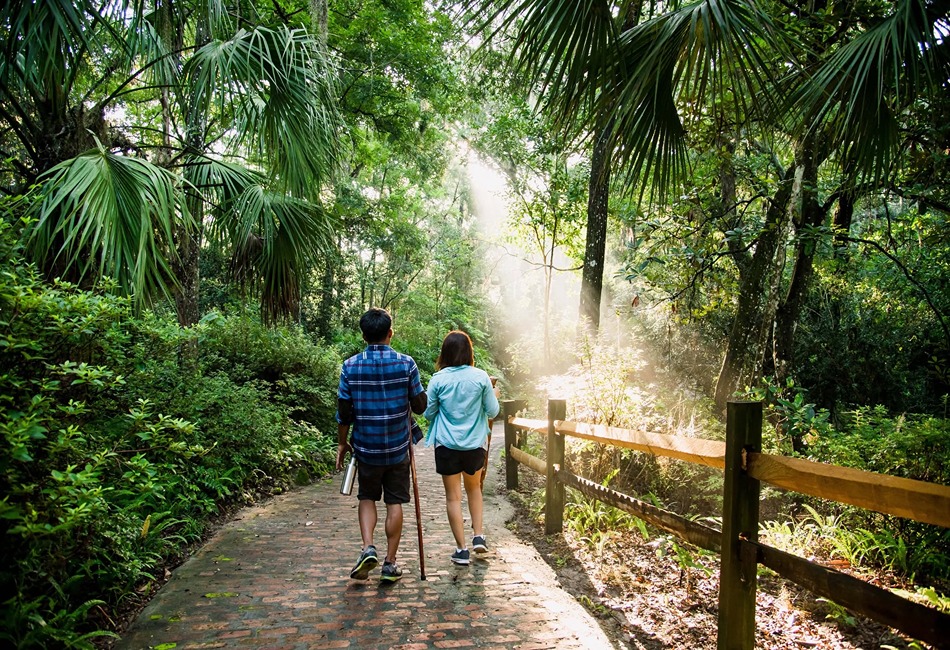
(PHOTO CAPTION/CREDIT: Florida’s lush Rainbow Springs State Park. Photo credit: Florida State Parks Facebook)
Mississippi
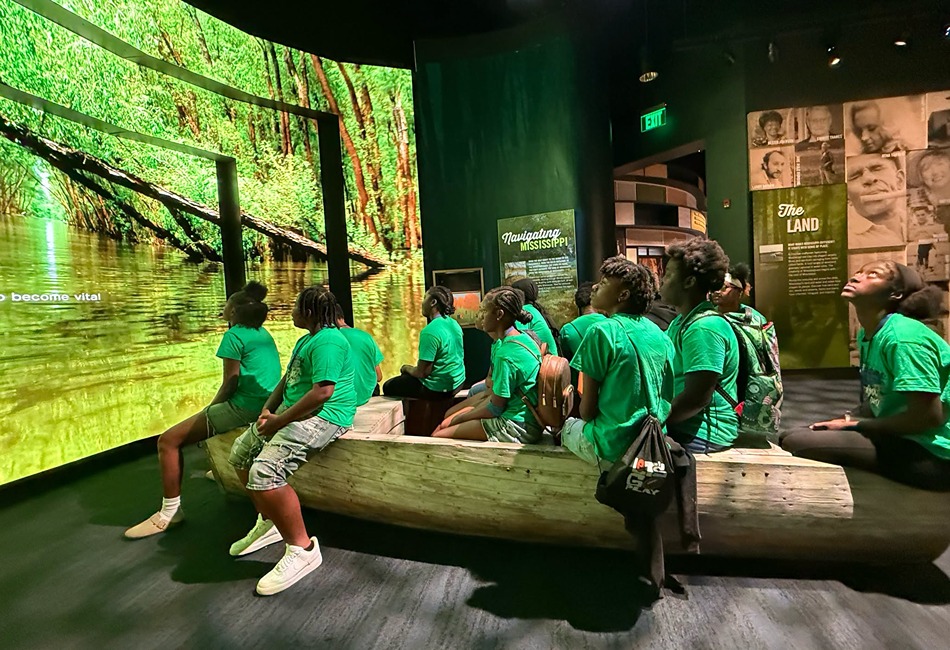
Educators in Mississippi can find substantial savings in Jackson at the Two Mississippi Museums campus, housing the Museum of Mississippi History and the Mississippi Civil Rights Museum. Mississippi K–12 school groups of 10 or more are eligible for transportation assistance and free admission, allowing educators to build a history and civics field trip without two of the expenses that often create the biggest hurdles to participation. Chaperones and bus drivers also receive free admission.
Another budget-friendly option is the Mississippi Arts + Entertainment Experience (The MAX) in Meridian, where K-12 field trips cost $5 per student, while teachers and school staff are admitted free with a school ID, and one chaperone per 10 students is also free. Reimbursement funding for transportation is available for qualifying school groups traveling from outside Lauderdale County.

(PHOTO CAPTION/CREDIT: Mississippi Civil Rights Museum exhibits in Jackson. Photo credit: Mississippi Civil Rights Museum Facebook)
Alabama
Public schools throughout Alabama can find significant savings on STEM field trips with the HudsonAlpha Institute for Biotechnology in Huntsville. State-supported funding can cover eligible HudsonAlpha field trip expenses for groups of 10 to 32 students and up to three chaperones. Additionally, qualifying middle school groups can participate in three-hour programs at no cost, while high school groups can receive funding for programming lasting four or more hours. This funding can help cover materials and lunches; however, transportation and substitute-teacher costs are not included.
Through hands-on, interactive laboratory experiences, students can explore topics ranging from genetics and biotechnology to genomic science while witnessing how classroom STEM concepts translate to real-world research and careers.
Great Field Trips Aren’t Always the Most Expensive Ones
A strong and enriching field trip doesn’t have to come with a high admission price; it requires a clear learning purpose and smart planning. Start close to home to minimize transportation costs, ask about school-specific assistance, and research funding before assuming a trip is out of reach. As you start planning, explore Student Travel Pro’s Grants & Funding page for transportation assistance, scholarships, and other opportunities that can help stretch your field trip budget further.