
Immersive Immigration History
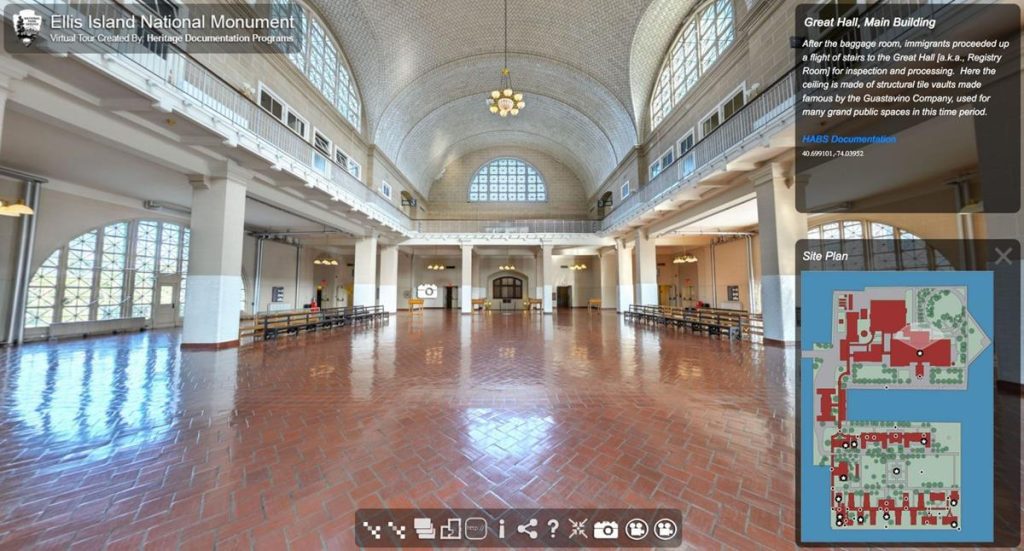
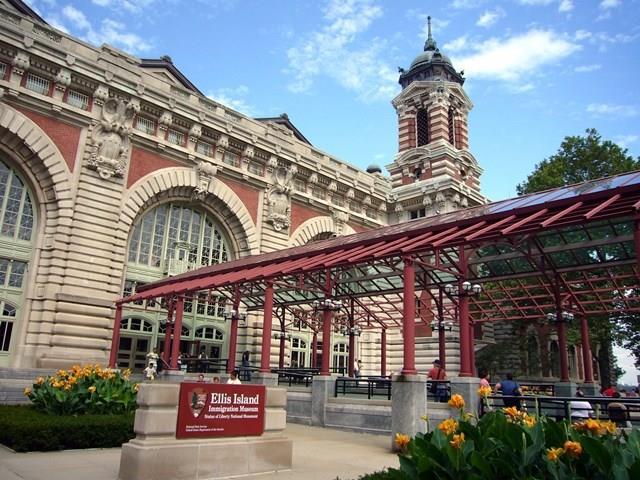
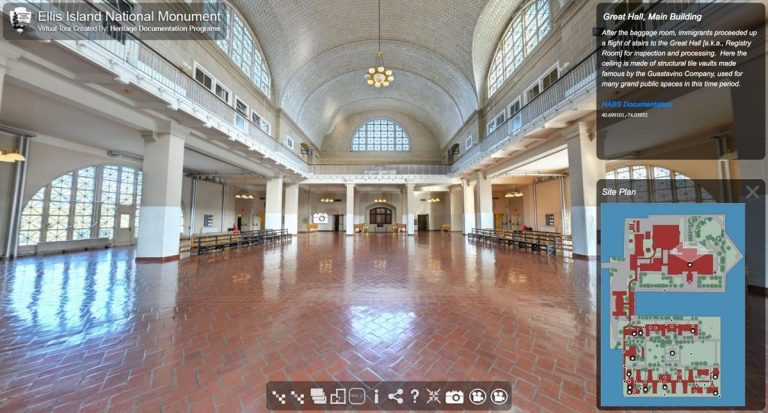
For an inspiring history lesson, a visit to Ellis Island and the National Museum of Immigration offers students an exceptional opportunity to explore the rich narrative of America’s immigrant experience. Located in the historic immigration processing station where millions of immigrants first set foot on American soil, the museum features restored halls that echo the footsteps of those who arrived seeking a better life.
Interactive Learning
The museum offers a comprehensive overview of the immigration process, with exhibits that highlight the challenges and triumphs immigrants have faced throughout American history. Students can engage with interactive displays featuring personal stories, photographs, and artifacts, helping them connect emotionally with their ancestors’ experiences. The exhibits cover various waves of immigration from the late 19th century to the present day, highlighting how immigrants have shaped and continue to shape the nation.
One of the museum’s significant features is the American Immigrant Wall of Honor, which pays tribute to immigrants’ contributions. This moving tribute allows students to reflect on the ideals of opportunity, perseverance, and diversity that define the American experience.
Guided Exploration
Field trips to Ellis Island can include guided tours that lead students through the museum’s exhibits and historic facilities. Educators can request programs tailored to specific age groups and learning objectives, ensuring that students gain a deeper understanding of the historical and social contexts of immigration.
Additionally, the museum offers resources for teachers, including lesson plans and educational materials that can be used to prepare students before their visit or to extend learning afterward. These resources cover topics such as the immigrant experience, cultural heritage, and the impact of immigration on American society.
The outdoor space surrounding the museum offers stunning views of the Statue of Liberty and the New York Harbor, providing a fitting backdrop for discussions about freedom and opportunity. Students can engage in reflective activities that encourage them to think critically about contemporary immigration issues and the ongoing relevance of the ideals that the United States represents.