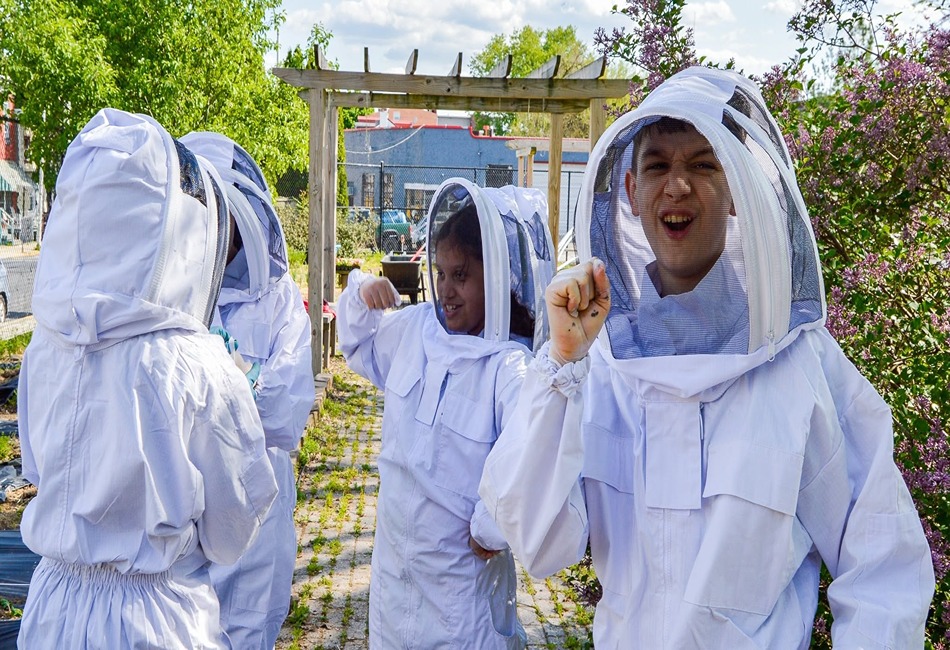

Bring science lessons to life for middle and high school students with experiences at wildlife habitats, parks, farms, gardens, and natural landscapes statewide
Step outside the classroom and into a vibrant range of outdoor learning environments in the Keystone State. Numerous enriching locations across Pennsylvania provide hands-on educational opportunities for middle and high school students to learn about environmental sciences, place-based learning, and food systems in natural settings.
Outdoor learning can support students studying ecology, biology, agriculture, land stewardship, sustainability, geography, and Earth Science by immersing them in natural landscapes. This guide helps educators choose among unique learning environments throughout Pennsylvania, organized by curriculum and highlighting destinations that offer memorable experiences.
Where smarter student trips begin. Download the latest issue of Student Travel Planning Guide for FREE and start planning a memorable trip.
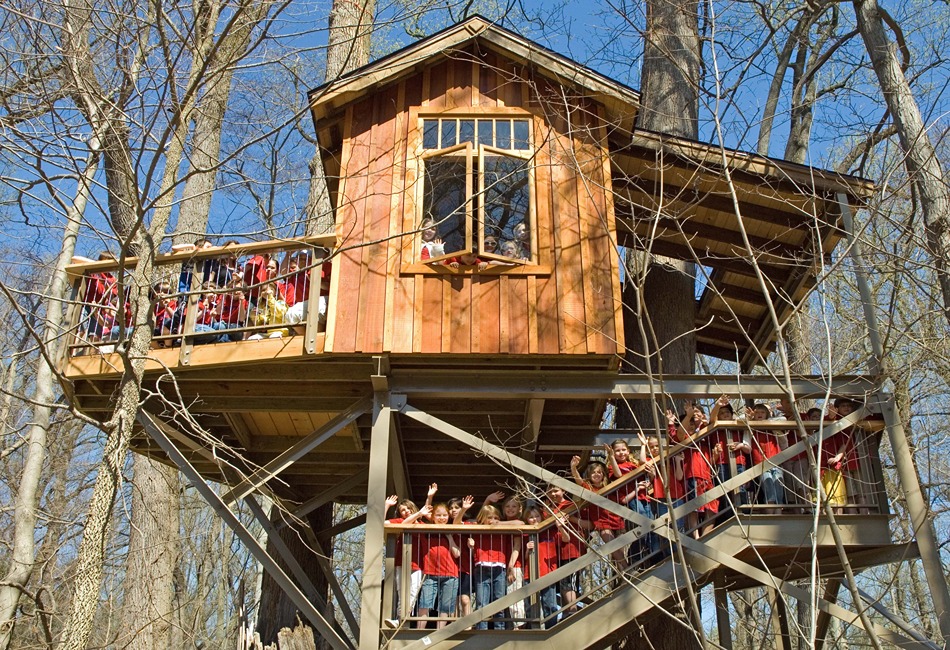
Gardens, Arboretums & Living Landscapes
Immerse your group in bountiful gardens, immaculate natural landscapes and teaching arboretums throughout the state, where environmental science comes to life. Living classrooms teach students about how plants grow, how to plan landscape designs, and how conservation is woven into public spaces.
FIELD TRIP FOCUS: Help students explore the role public gardens play in community wellness and conservation through immersive and stunning spaces, as well as in plant science, landscape design, pollinator habitats, and preservation.
Outdoor Classrooms
Brandywine Valley’s Longwood Gardens provides a strong curricular connection to landscape design, plant science and horticulture, while Jenkins Arboretum & Gardens allows students to explore garden ecosystems and native plants.
Philadelphia boasts Morris Arboretum & Gardens of the University of Pennsylvania, where groups can engage with lessons in trees, pollination, environmental design and ecology. More plant-focused learning can be found at Hershey Gardens & The Butterfly Atrium, Delco’s Tyler Arboretum, the Peiffer Memorial Arboretum and Nature Preserve in Cumberland County, and the Pittsburgh Botanic Garden.
Reading and Berks County offer students a world of outdoor classrooms, from the Reading Public Museum’s Arboretum and the GoggleWorks Garden for plant exploration and tours to the Rodale Institute for agricultural research, farm training and education.
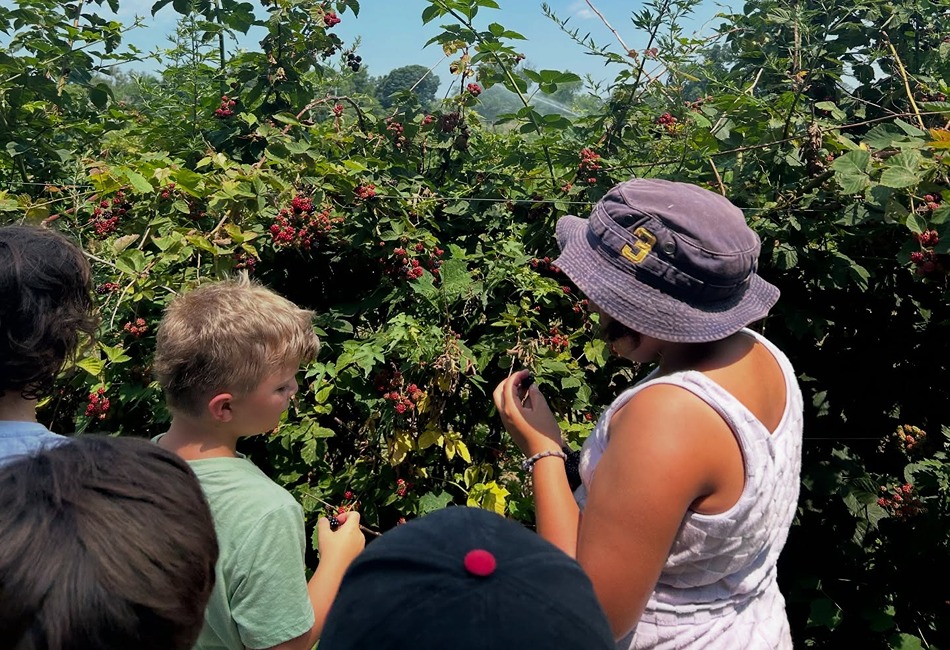
Orchards, Farms & Food Systems
Throughout Pennsylvania, working farms, orchards and agricultural education sites connect students to lessons in natural landscapes where groups can witness daily operations and animal care.
FIELD TRIP FOCUS: Learners can engage in lessons about environmental science, sustainable agriculture, rural economies, animal care, plant biology, soil health and how our food gets cultivated.
Outdoor Classrooms
Start in Bucks County at Shady Brook Farm and Snipes Farm and Education Center for immersive agriculture experiences that get learners excited about environmental science. Gettysburg offers students hands-on connections to orchard science, sustainable farming, pollination, and plant biology at Hollabaugh Bros.
The Lancaster area provides numerous outdoor experiences where students can explore farms and food systems in operation at places like Oregon Dairy Farmstead Tours, Eastland Alpacas, Lancaster Farmland Trust, Lancaster Conservancy, and Cherry Crest Adventure Farm. Here, they can learn about caring for the animals, implementing sustainable applications, and understanding how food systems work in real-world settings.
In York, groups can discover unique agricultural experiences that show visitors how farms work, how sustainability practices are implemented, and how local food systems are operated at Shear Heaven Farm and Horn Farm Center.
In Berks County, the Rodale Institute is an exceptional learning environment that gives students a deeper look into sustainable farming practices, regenerative organic agriculture and soil health, perfect for high school groups. Visit Weaver’s Orchard for in-depth lessons on food-growing systems, and the GoggleWorks’ Gardens to learn about plants and environmental preservation.
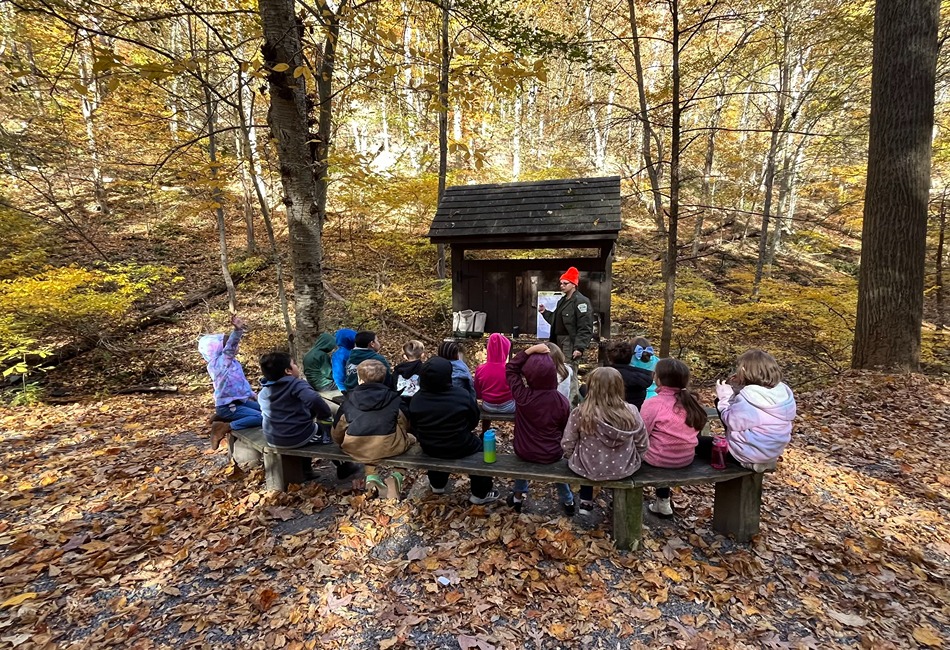
State Parks, Forests & Trails
This is where ecosystems become the classroom, offering numerous outdoor opportunities for students to explore natural learning environments and engage in hands-on discovery.
FIELD TRIP FOCUS: Groups can learn lessons in wildlife management, forest ecology, conservation, geography, outdoor recreation and the relationship people have with natural places.
Outdoor Classrooms
Explore ample natural resources, geology and ecosystems that intersect with human history in Gettysburg at Pennsylvania’s first state park, Michaux State Forest, and another regional jewel, Caledonia State Park. Both outdoor spaces provide groups access to hands-on experiences that bring science into real focus.
Gettysburg National Military Park and Eisenhower National Historic Site also support outdoor learning. Both locations offer groups engaging lessons in battlefield ecology, agricultural history, environmental stewardship, and conservation.
Outdoor education continues in Cumberland County across numerous destinations that promote hands-on learning. Educators should consider visiting stops along the Appalachian National Scenic Trail, Pine Grove Furnace State Park, Kings Gap Environmental Education Center, LeTort Spring Run Nature Trail & Preserve, and Diakon Wilderness Center.
Those traveling to York will discover outdoor classrooms in places like the York County Rail Trail and York County Parks, including Nixon Park Nature Center. These provide trail-based environmental learning opportunities for outdoor discovery and participation.
In Reading and Berks County, environmental learning comes into focus in outdoor classrooms, including French Creek State Park, Blue Marsh Lake, Nolde Forest Environmental Education Center, and Hawk Mountain Sanctuary, all offering hands-on educational experiences.
Built for educators and planners. Designed for students. Download the Student Travel Planning Guide and receive FREE planning advice and expert family travel insights.
Rivers, Watersheds & Freshwater Science
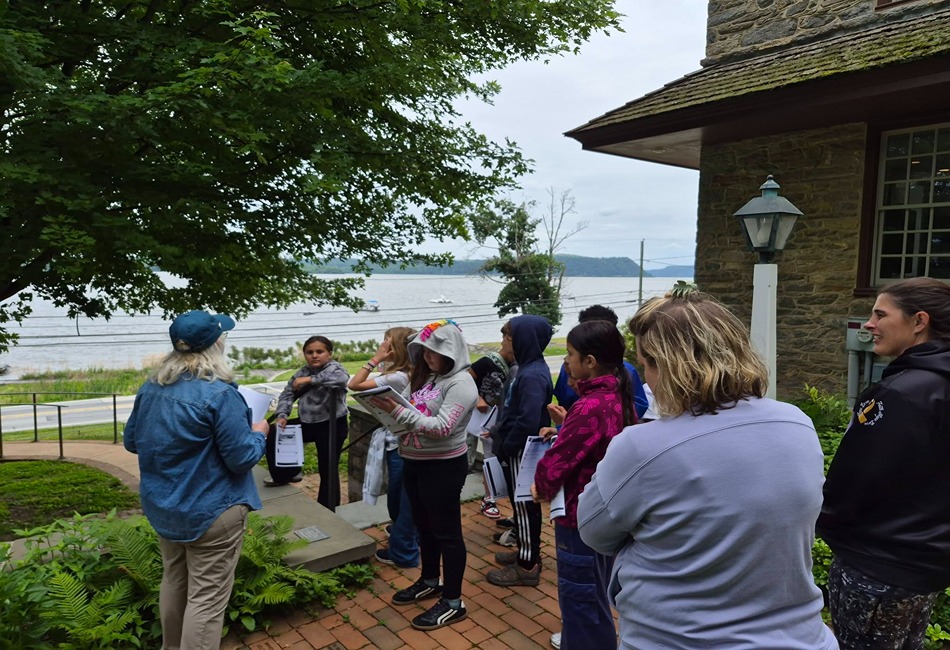
Groups learning about water-related subjects will find numerous outdoor adventures showcasing natural habitats and landscapes throughout Philadelphia and Delaware County.
FIELD TRIP FOCUS: Students can study wetlands, wildlife habitats and conservation efforts through hands-on activities and research methods.
Outdoor Classrooms
Visit Brandywine Valley’s Stroud Preserve – Natural Lands and the Myrick Conservation Center for outdoor learning tied to watersheds, environmental stewardship and land conservation.
For a strong connection to urban water education, head to Philadelphia’s Fairmount Water Works for a glimpse at daily operations. Pair that with a visit to the John Heinz National Wildlife Refuge, where students can study wildlife habitats, wetlands and environmental protection up close in authentic settings.
In the Lancaster and York area, the Susquehanna River offers students enriching opportunities to learn about watershed systems and river heritage. Outdoor classrooms, such as the Susquehanna National Heritage Area, Columbia Crossings and York’s Zimmerman Center for Heritage, teach students lessons in river ecology, culture, history and regional identity through hands-on experiences.
Reading and Berks County invite student groups to understand the local watersheds and ecosystems at Blue Marsh Lake for interactive learning experiences. At Berks Nature, field trip groups can engage in adventure learning with hands-on environmental science lessons.
Wildlife, Natural Habitats & Conservation
Destinations that offer wildlife-focused field trips provide opportunities to study animal science, natural habitats and conservation efforts in natural settings.
FIELD TRIP FOCUS: Explore animal behavior, natural habitats, conservation, biodiversity, human responsibility, environmental science, biology, and conservation.
Outdoor Classrooms
Bucks County supports learning about wildlife, local ecosystems, birds, native plants, and habitats at Bowman’s Hill Wildflower Preserve, Peace Valley Nature Center, and Churchville Nature Center. Gettysburg offers students immersive opportunities to explore conservation, ecology, team-building, nature-based studies, and watershed stewardship at places like Strawberry Hill Nature Preserve, Camp Eder, and the Land Conservancy of Adams County.
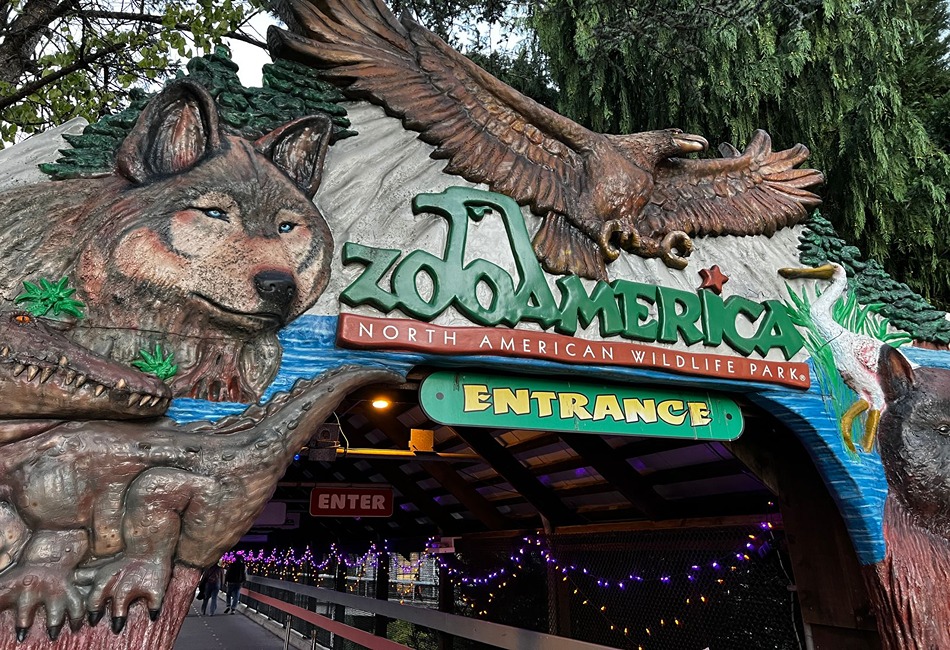
Wildlife-focused learning experiences range from examining animal science and conservation to environmental history and advocacy. Students can gain firsthand knowledge at places like Lancaster’s Wolf Sanctuary of PA for up-close encounters with wolves. In Hershey and Harrisburg, groups can explore outdoor activities at Lake Tobias Wildlife Park and ZooAmerica North American Wildlife Park, both offering memorable learning environments.
For a major conservation connection, head to Reading and Berks County, home to Hawk Mountain Sanctuary, where students can learn about migration, habitat protection, raptors, and conservation science. More environmental science experiences await at Blue Marsh Lake and Middle Creek Wildlife Management Area.
In Delaware County, John Heinz National Wildlife Refuge is also a great setting for studying wetlands through environmental seminars and wildlife observation.
Geology, Earth Science & Caves
Subterranean settings offer exciting, one-of-a-kind learning opportunities for middle and high school students, and Pennsylvania is home to stunning caves and natural landscapes, plus museums that allow groups to explore Earth sciences
FIELD TRIP FOCUS: Earth systems, landforms, geology, deep time, visible geology examples, including rock formations, fossils, caves, minerals, watersheds, and natural processes come into focus.
Outdoor Classrooms
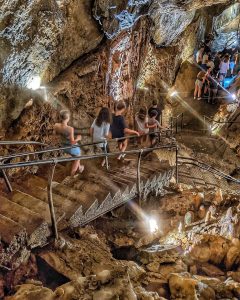
For an underground exploration, head to Crystal Cave in Berks County, where a classic geology-focused field trip becomes an immersive learning journey. Pair this with a visit to the Reading Public Museum & Planetarium or the Reading Science Center to reinforce Earth science and inquiry studies. In the Hershey and Harrisburg region, the Echo Dell –Indian Echo Caverns offer a stunning glimpse into Earth’s history through underground geology and natural history examples.
Groups traveling to Philadelphia can visit The Academy of Natural Sciences of Drexel University for lessons on biodiversity, natural history, specimens, fossils, and environmental science. In Pittsburgh, the Kamin Science Center teaches Earth systems and scientific inquiry through dynamic exhibits and hands-on activities.
Place-Based Learning & Team Building
Outdoor learning isn’t limited to science-based themes. Students can learn about several other educational themes that cultivate curiosity and confidence in young learners.
FIELD TRIP FOCUS: Discover lessons on leadership, confidence, communication, collaboration and problem-solving through adventure-tied experiences.
Outdoor Classrooms
The L.L. Bean Outdoor Discovery Program in Bucks County offers group opportunities to explore recreation-based learning through activities that build outdoor skills, while Lancaster’s Refreshing Mountain provides team-building and adventure experiences.
Explore Pittsburgh’s natural landscapes and rivers through immersive activities, including Walk the Burg Tours, Bike the Burgh Tours, and experiences through Venture Outdoors and the Gateway Clipper Fleet. In Brandywine Valley, groups can discover outdoor recreation and engage inplace-based learning at Hibernia County Park. Visits here offer students opportunities to learn about ecology, conservation awareness, and outdoor skills in an experiential environment.
Planning Tips for Educators & Trip Planners
The Keystone State boasts numerous unique outdoor classrooms, from state parks and waterways to botanical gardens, adventure parks and nature conservancies. Middle and high school groups can explore science and environmental studies through hands-on activities that bring learning to life and provide memorable experiences for students.
Discover more exciting educational experiences and start planning your Pennsylvania field trip today. Subscribe to the Student Travel Newsletter for free and never miss expert insights and student travel trends.