Education from Coastlines to Forests
South Carolina offers student groups countless ways to interact with and experience the incredible natural environments, people, and communities through diverse field trip opportunities. In Charleston, younger students can learn about marine ecosystems and be introduced to African American history in the same city, while Columbia offers wildlife conservation studies, hands-on science experiences, and engineering opportunities. Numerous destinations support educational topics, including geology, biology, early STEM learning, climate science, history, civics, and social studies with in-depth lessons and immersive activities.
Ready to take your student trips to the next level? Download Student Travel Pro now for free resources, destination guides, and expert planning tips.
“Youth groups can become scientists, problem solvers and engineers through highly interactive field trips.”
International African American Museum (Charleston)
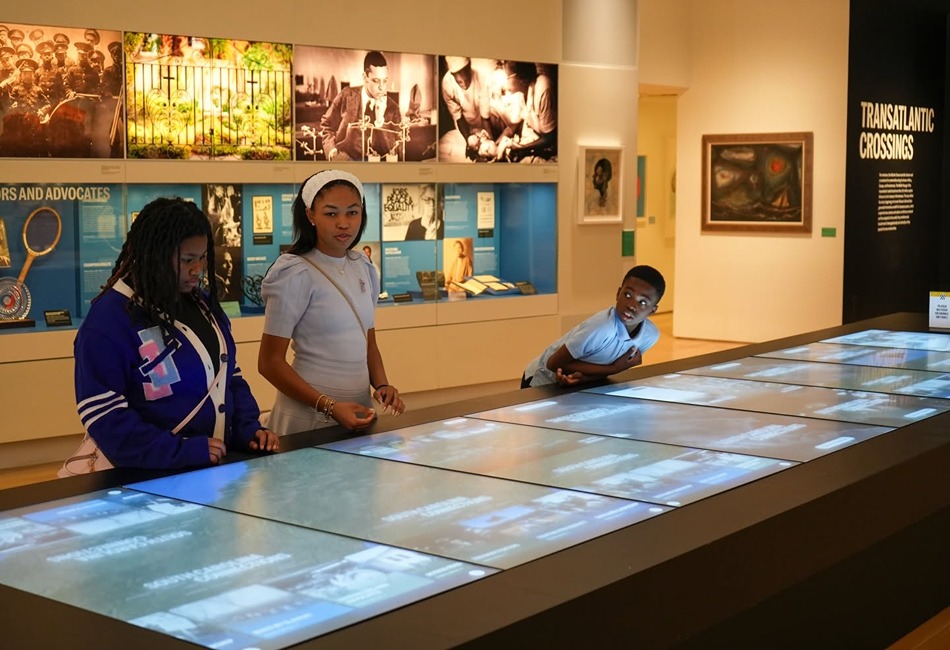
Located at Gadsden’s Wharf, students have the incredible opportunity to experience a historically significant location where enslaved Africans arrived. The International African American Museum provides a broad framework to help students understand African American history, from the transatlantic slave trade through emancipation, building communities, resistance to social injustice, and contemporary culture. Museum exhibits connect the Lowcountry and Charleston to both national and global histories, helping learners understand that African American life and slavery cannot be confined to textbook chapters. Multimedia interpretations, along with artifacts and storytelling, connect individual lives to larger historical systems. The setting itself serves as a teaching tool, where educators can ask students to consider how geography, trade, ports, and forced migration influenced the nation’s history. Essential historical context comes into focus by examining centuries of survival, resistance, and cultural achievements following the 20th-century movement.
South Carolina Aquarium (Charleston)
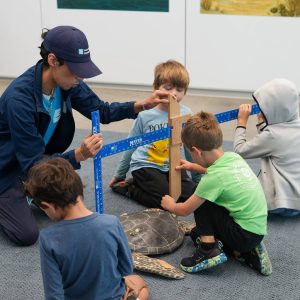
Explore conservation from the coast to the mountains while investigating animals up close at the South Carolina Aquarium. K-12 field trips incorporate lessons on endangered and threatened species and ecosystem health, encouraging students to consider what actions they can take to protect wildlife. For a compelling up-close look at conservation science, the Sea Turtle Lab shows groups how sick and injured turtles are treated, cared for, and rehabilitated. For educators, STEM activities align with South Carolina curriculum standards, helping them connect classroom science lessons with firsthand animal encounters rather than simply peering through aquarium glass at specimens in their habitats. The coastal location also supports discussions about plastic pollution, ocean health, rising water temperatures, and how environmental changes affect animals and habitats throughout food webs.
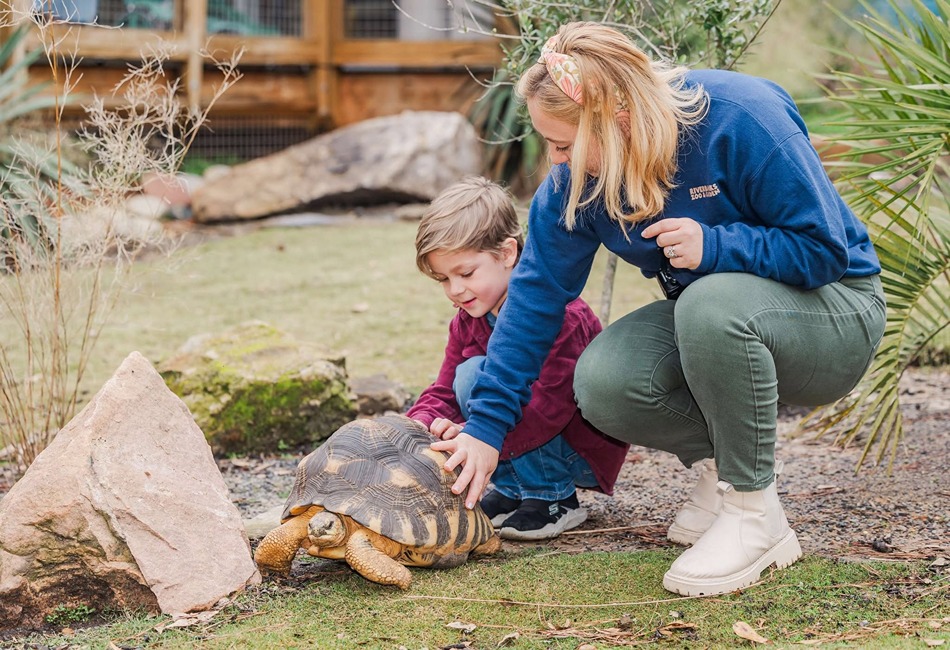
Riverbanks Zoo & Garden (Columbia)
At Riverbanks Zoo & Garden, preschool through high school students can engage in programs built around South Carolina science standards and include active, student-centered learning experiences. On-site classroom lessons explore unique subjects with educators, while living examples of biodiversity, adaptations, conservation, and plant science in the Zoo & Garden allow students to connect in-class learning with up-close observations and hands-on activities. For elementary through high school students, Riverbanks hosts an annual Career Day that introduces them to professions in horticulture, animal care, education, and other related fields; the upcoming February 19, 2027, program is free with park admission.
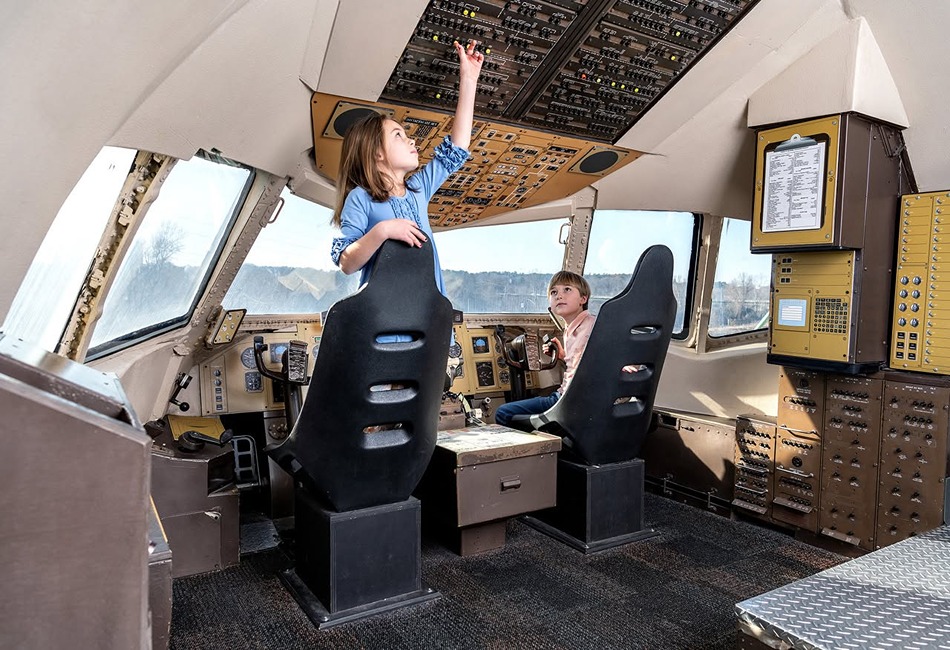
EdVenture Children’s Museum (Columbia)
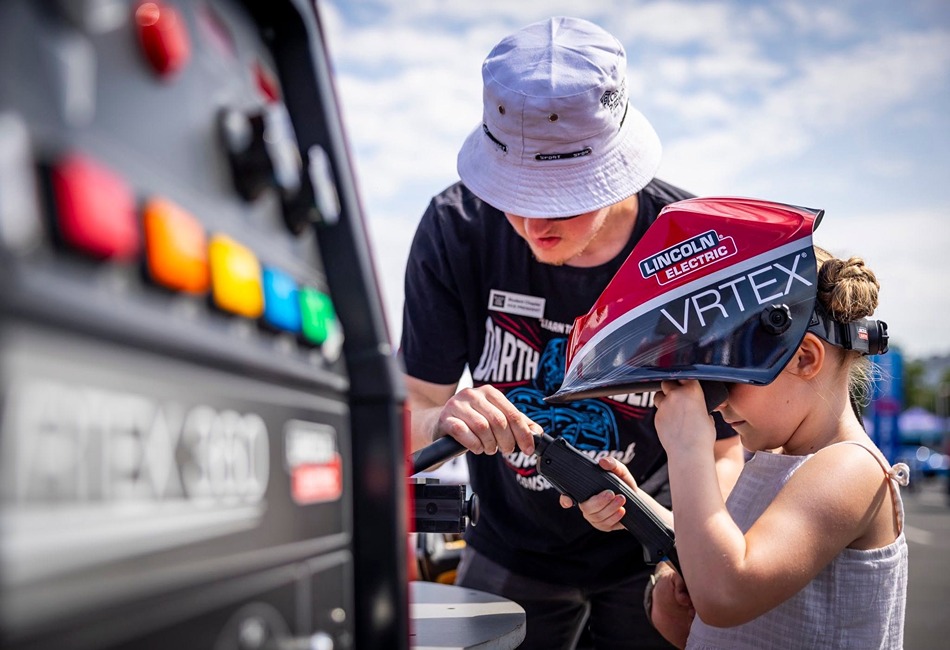
Youth groups can become scientists, problem solvers, and engineers through highly interactive field trips at EdVenture Children’s Museum. Offered September through May, educational school programs are organized by grade and adhere to South Carolina standards. Throughout the museum, young visitors learn about hands-on manipulation, experimentation, and construction, including stepping inside the enormous three-story human-body model for immersive exploration. Pre-K students can build bridges, houses, and boats during the Early Engineers program, while laboratory-style experiences connect to classroom lessons for older children. Other programs focus on investigating magnets, phases of matter, motion, weather, natural resources, and environmental impacts in an interactive setting.
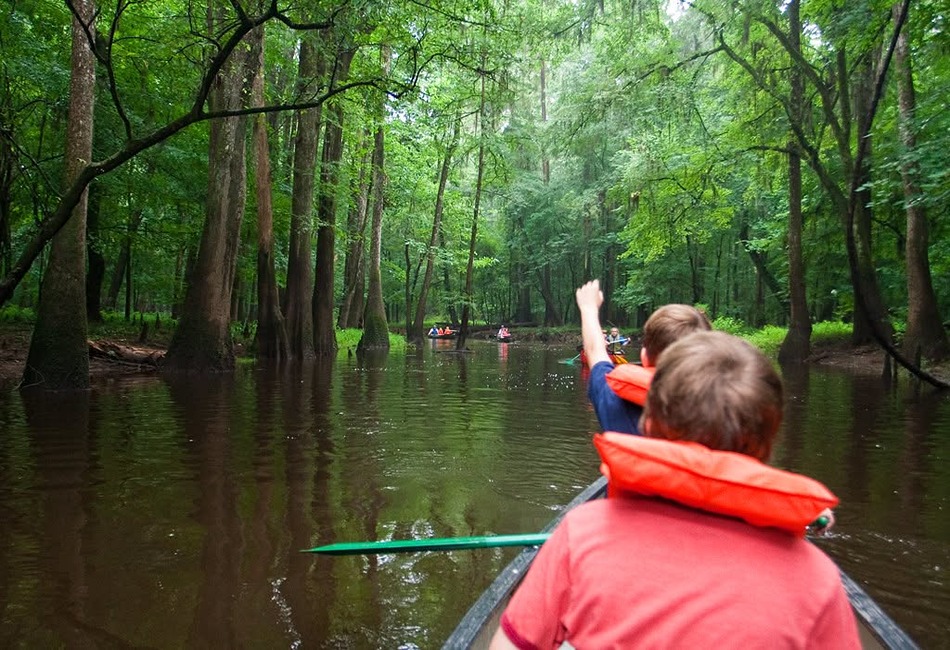
Congaree National Park (Hopkins)
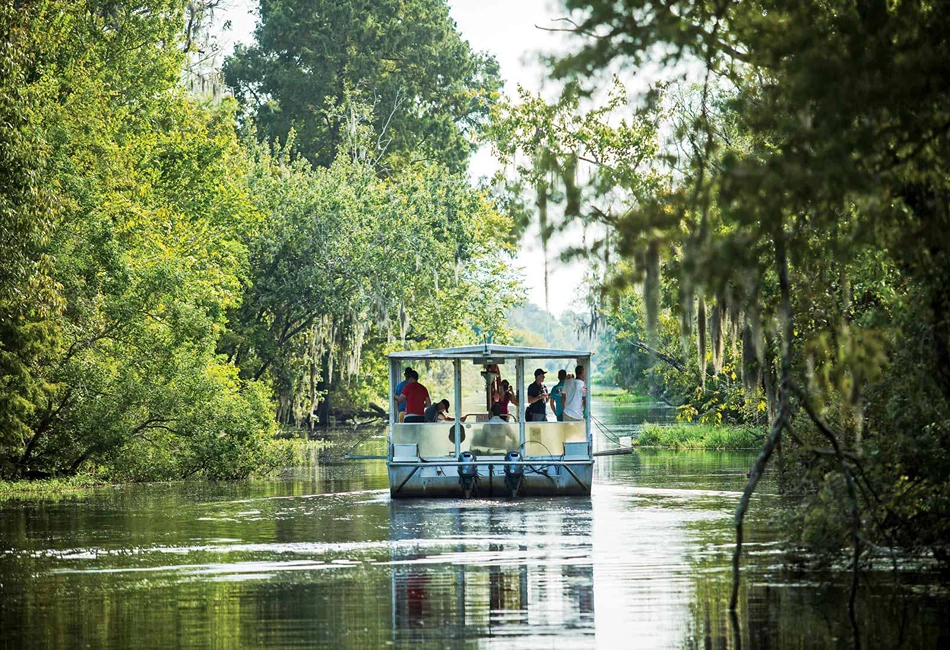
Congaree National Park’s expansive floodplain forest dramatically demonstrates how water shapes ecosystems. Students can learn about how seasonal floods move nutrients, organic material, and sediments through the landscape, supporting vegetation, towering trees, wetlands, and diverse wildlife. Boardwalks and nature trails become educational tools where groups can come face to face with watersheds, soil, decomposition, biodiversity, and natural cycles, helping them understand that flooding is more than a devastating weather event. Curriculum resources encourage students to investigate floodplain formation, weathering and erosion, and help them connect firsthand experiences with classroom lessons.
Stay updated on the best student travel experiences! Subscribe to the Student Travel Pro newsletter and receive expert insights, top destinations, and planning strategies straight to your inbox.