
Where Craftsmanship, Competition and Curiosity Connect
Kentucky is a prime state for demonstrating that learning doesn’t always fit neatly into a single subject. Students can engage with sports history that opens the door to conversations about civil rights, manufacturing and math. Horses introduce them to biomechanics and animal science, while automotive design shows how engineering influences performance. Head underground to the world’s longest known cave system where geology, water and ecology come together in a natural science lab. Interdisciplinary trips can combine culture, STEM, history and careers, including learning how athletes influence society, exploring landscapes and living organisms, and understanding the manufacturing process in action.
Ready to take your student trips to the next level? Download Student Travel Pro now for free resources, destination guides, and expert planning tips.
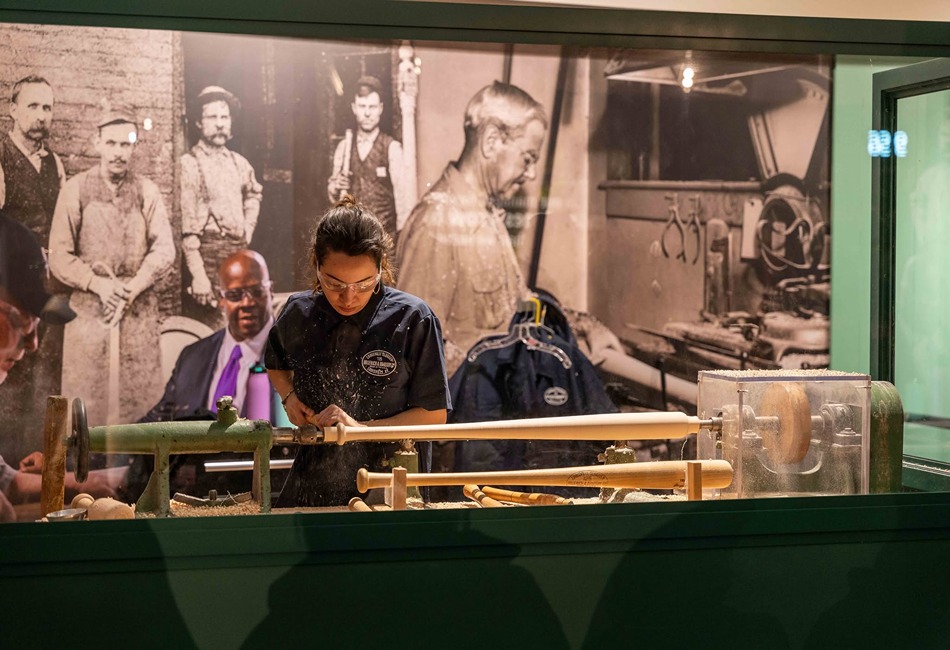
“Explore the intersection of sports and manufacturing at the Louisville Slugger Museum & Factory, where students can see one of the country’smost recognizable pieces of sports equipment from raw material to finished bat.”
Muhammad Ali Center (Louisville)
At the Muhammad Ali Center in Louisville, boxing is only the starting point for students. Groups can explore exhibits devoted to Ali’s life, global influence and personal values that help them understand civil rights, social justice, religious freedom, perseverance and civic responsibilities. Ali’s story is more than his boxing career. Students can learn how he used his global visibility to speak out about war, human dignity and racism. Interactive trip components encourage visitors to consider their personal values and goals while connecting historical events to Ali’s life choices. Learners can discover how athletic achievements can open much larger conversations about identity, social change and courage. For educators, this is a strong bridge between social studies and sports history, allowing a field trip here to complement lessons in 20th-century history, civil rights and global citizenship.
Mammoth Cave National Park (Mammoth Cave)
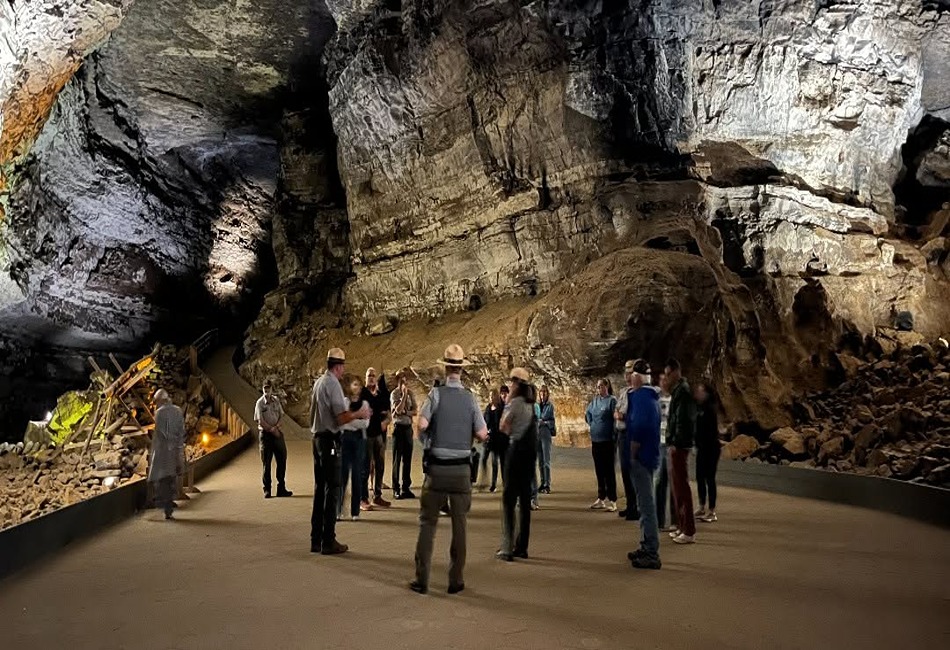
A subterranean adventure awaits at Mammoth Cave National Park, home to the largest known cave system in the world. Walk inside the processes that shape Earth and explore the results of groundwater interacting with limestone over impressive lengths of time. Earth science concepts like erosion, geology, deposition, and karst topography become visible on an enormous scale. Cave tours teach students about cave environments and the organisms that live there, while above-ground trails offer additional opportunities to study watersheds, forests and biodiversity. Park visits can connect to Earth science, chemistry, conservation, ecology and the human history of the cave, including miners, Indigenous people and early guides and tourists. The National Park Service provides educational resources to prepare students for historical and scientific questions they may encounter during their visit.
Louisville Slugger Museum & Factory (Louisville)
Explore the intersection of sports and manufacturing at the Louisville Slugger Museum & Factory, where students can see one of the country’s most recognizable pieces of sports equipment from raw material to finished bat. During a factory tour, students can witness all aspects of production, from wood selection, measurement, and machinery to production technology and quality control. Students are encouraged to consider why certain players use different baseball bats with different dimensions, and how math, design, and material properties affect the finished product. Add baseball history to connect the manufacturing experience to American culture and the evolution of professional sports. This becomes a perfect example of applied STEM, using familiar objects to demonstrate industrial design, engineering, and specialized production.
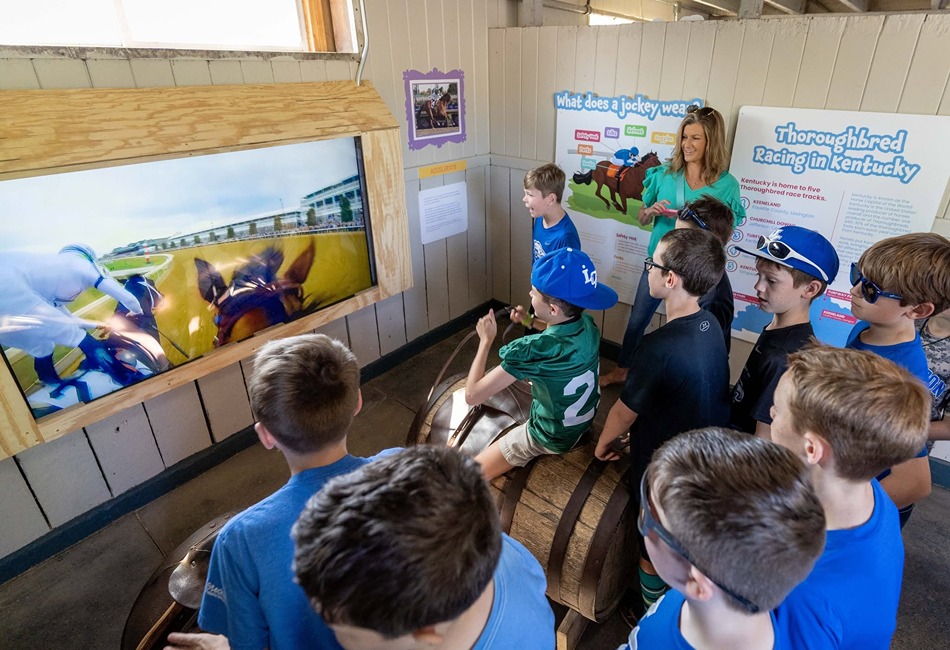
Kentucky Horse Park (Lexington)
Kentucky is known for its rich horse culture, and Kentucky Horse Park in Lexington offers multidisciplinary learning experiences for school groups.
Students can discover agriculture, animal care, equine breeds and anatomy, horse sports science, and Kentucky history through immersive activities. Working barns with horses allow students to examine educational concepts firsthand that may be difficult to interpret through diagrams, while museum exhibits showcase horses in agriculture, competition, warfare, and transportation.
School groups can receive personalized trip schedules that incorporate museum exhibits and live shows, helping educators structure the trip around learning objectives and student needs. The park offers teachers opportunities to show how science supports an industry deeply rooted in Kentucky’s identity and economy.
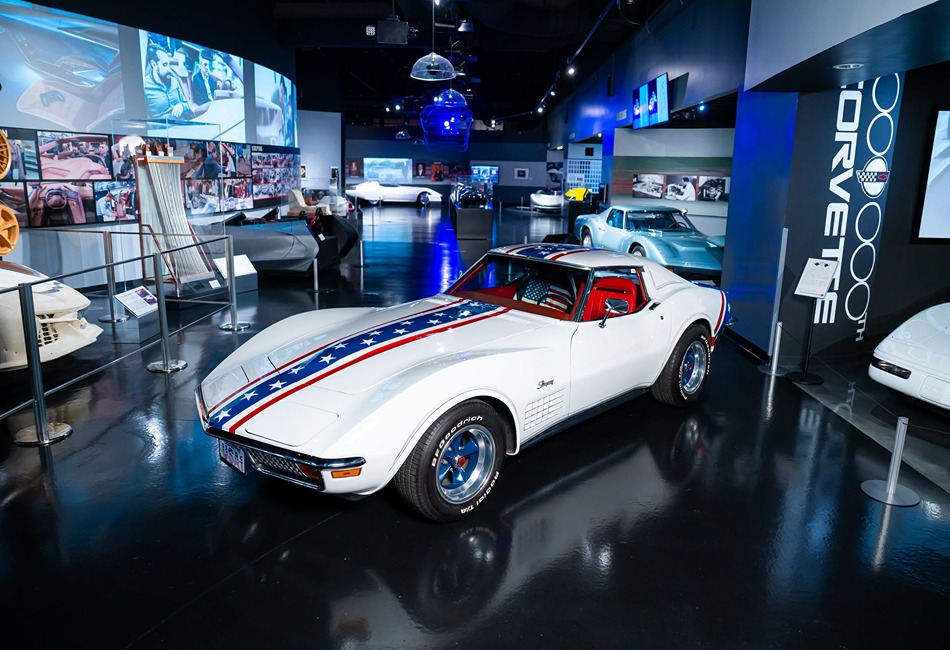
National Corvette Museum (Bowling Green)
In Bowling Green, the National Corvette Museum invites students to explore how engineers use physics, materials, design, and manufacturing to build high-performance vehicles. Students can learn about advances in safety, automotive technology, and production through exhibits that trace the Corvette’s evolution. Nearby, the Bowling Green Assembly Plant makes the museum especially relevant for teachers interested in workforce and career pathways, demonstrating how technicians, designers, engineers, and manufacturing specialists collaborate and work together within the auto industry. Accessible examples of energy, friction, aerodynamics, and mechanical systems appear in on-site performance vehicles, and the museum’s famed sinkhole story can prompt discussions about karst landscapes and geology.
Make every student trip unforgettable! Sign up for our free newsletter and get travel inspiration, budgeting tips, and expert planning resources.