Mountain State Science and History Above and Below
Locations throughout West Virginia hold stories written in the mountains, plants, sky, and human history, encouraging students to look up and back. Field trip groups can investigate the universe using radio telescopes, examine Indigenous cultures through archaeology, and explore historic Appalachian landscapes to understand mountain life. State parks and gardens give students opportunities to explore ecology and natural resources, while a historic island turns transportation into part of the trip experience.
The ultimate guide to student travel is here! Download Student Travel Pro and explore inspiring itineraries, budgeting tips, and expert planning resources.
“Students get a hands-on introduction to archaeology and culture at Grave Creek Mound Archaeological Complex, home to one of the country’s largest Indigenous burial mounds.”
Green Bank Observatory (Green Bank)
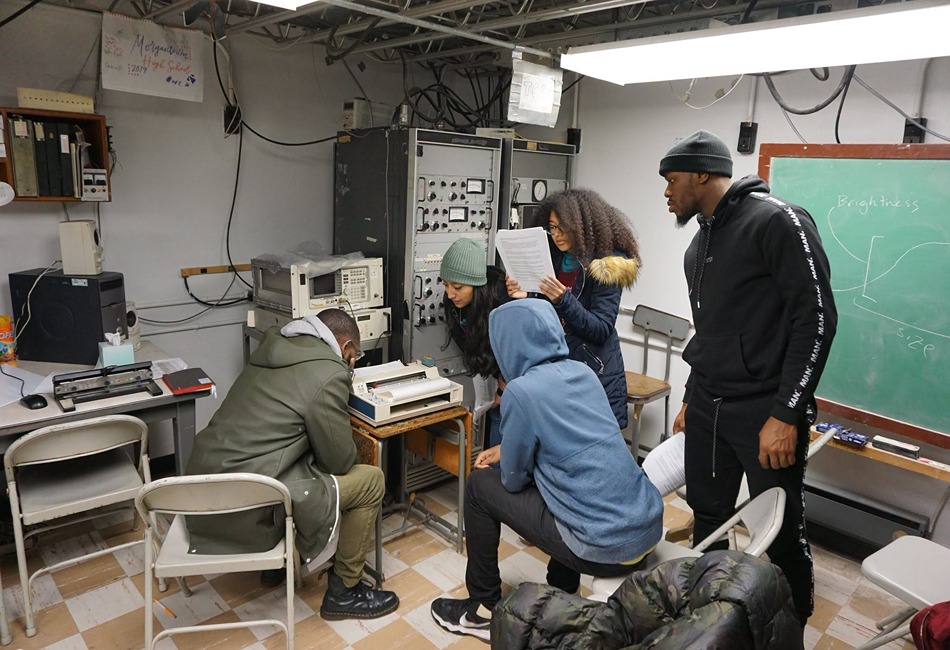
For K-12 student groups, Green Bank Observatory provides access to authentic engineering and astronomy at an active scientific research facility. Field trips include a one-hour site tour and exploration of the hands-on Catching the Wave exhibit hall. Groups in grades 5 and above can become a Radio Astronomer for a Day, a 24-hour on-site program where students work in teams and use a real 40-foot radio telescope to explore and investigate cosmic objects. Younger groups can discover hands-on STEM experiences that teach engineering and astronomy through live demonstrations, interactive activities, and exhibits.
Grave Creek Mound Archaeological Complex (Moundsville)
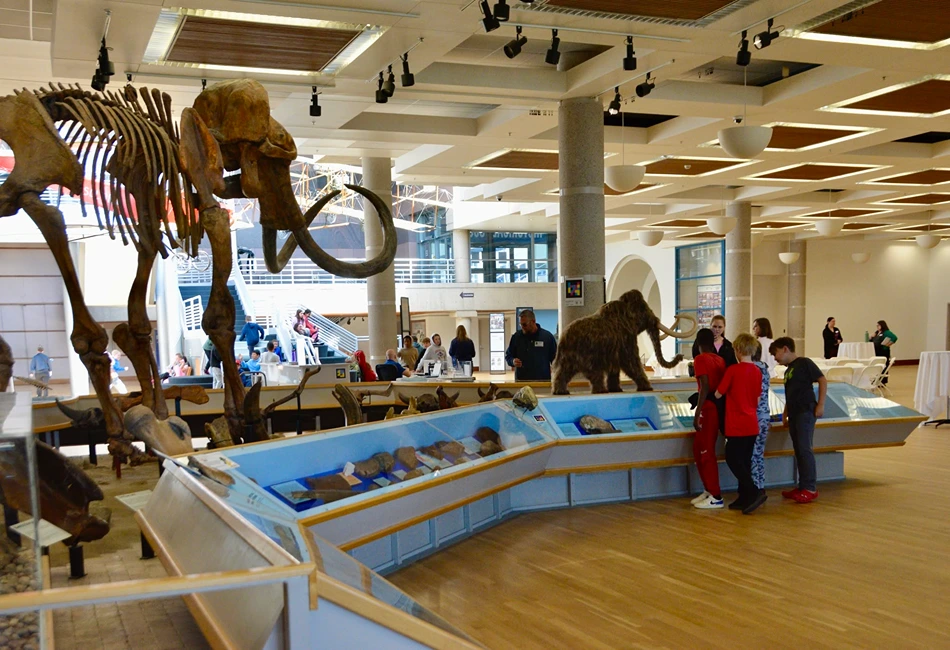
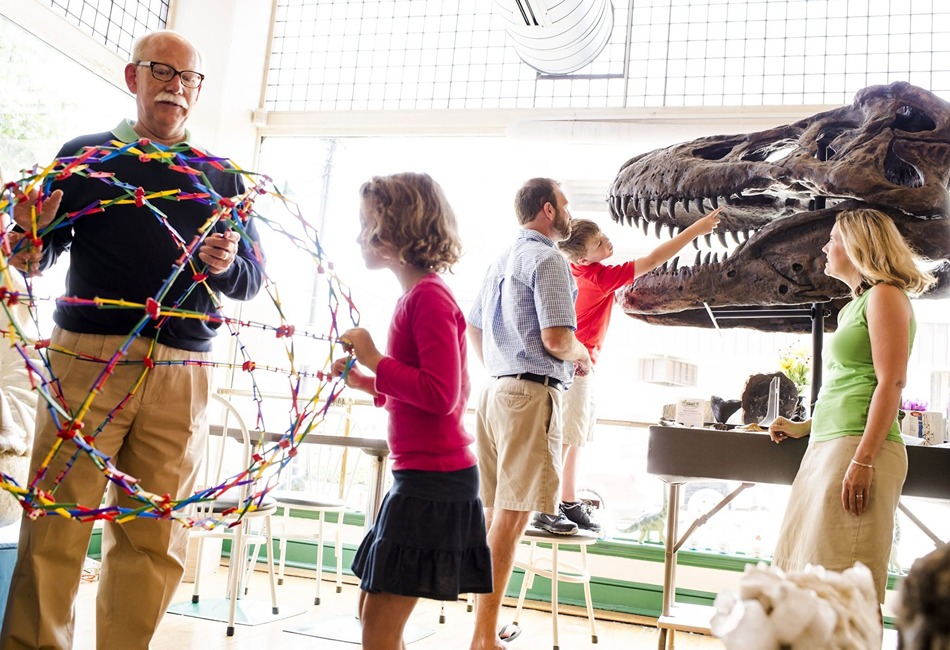
Students get a hands-on introduction to archaeology and culture at Grave Creek Mound Archaeological Complex, home to one of the country’s largest Indigenous burial mounds. Museum exhibits showcase authentic fossils, Ice Age animals, and the culture of the Adena people who constructed the mound more than 2,000 years ago. Groups can learn about these topics, along with West Virginia archaeology sites, through guided interpretive tours, introductory programs, and hands-on activities that deepen the museum experience. The outdoor interpretive garden offers lessons in Indigenous crop cultivation, including sunflowers and gourds. Special educational events happen throughout the year, including museum scavenger hunts, flint-knapping demos, and fossil identification during designated programs.
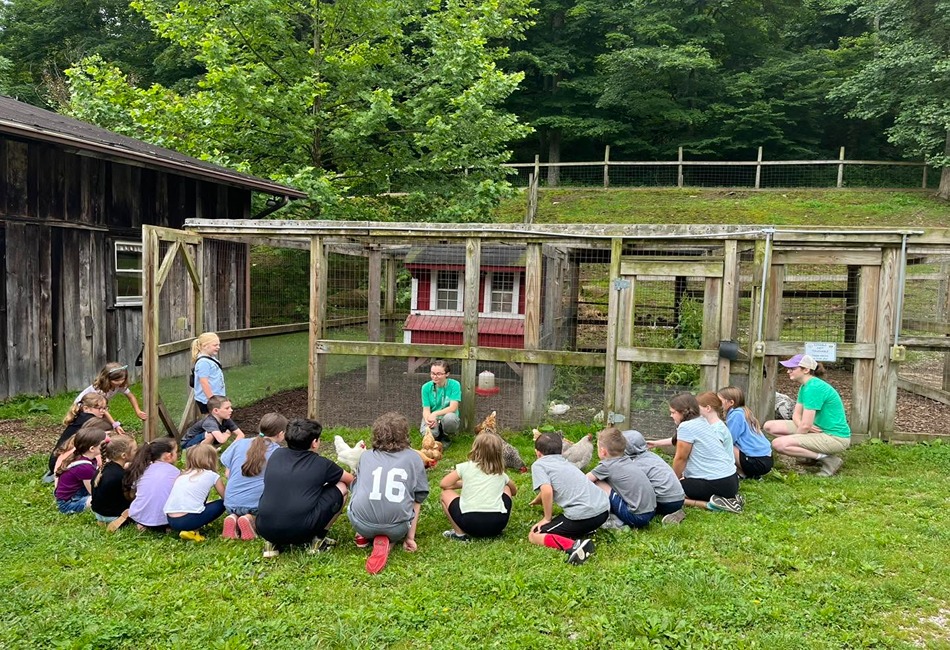
Heritage Farm Museum & Village (Huntington)
Students can explore Appalachian history and connect it to science, technology, and daily life at Heritage Farm Museum & Village in Huntington through guided tours and independent exploration. Throughout seven themed museums, watch reenactors and artisans demonstrate historical skills, and take part in interactive experiences related to agriculture and sustainability. At the Children’s Activity Museum, young learners can become pioneers and try tasks such as collecting eggs, milking a model cow, and pumping water. At the same time, the Restored Schoolhouse Museum offers an immersive experience for students aged 6-13 to learn in a one-room school. Other sites offer opportunities to explore coal and salt mining, transportation, glass production, and technological changes from 1850 through 1925. Extend on-site experiences with downloadable lessons on Native American history, the Civil War, West Virginia statehood, the coal and labor movement, blacksmithing, science, and early medicine. Guided tours are available by reservation.
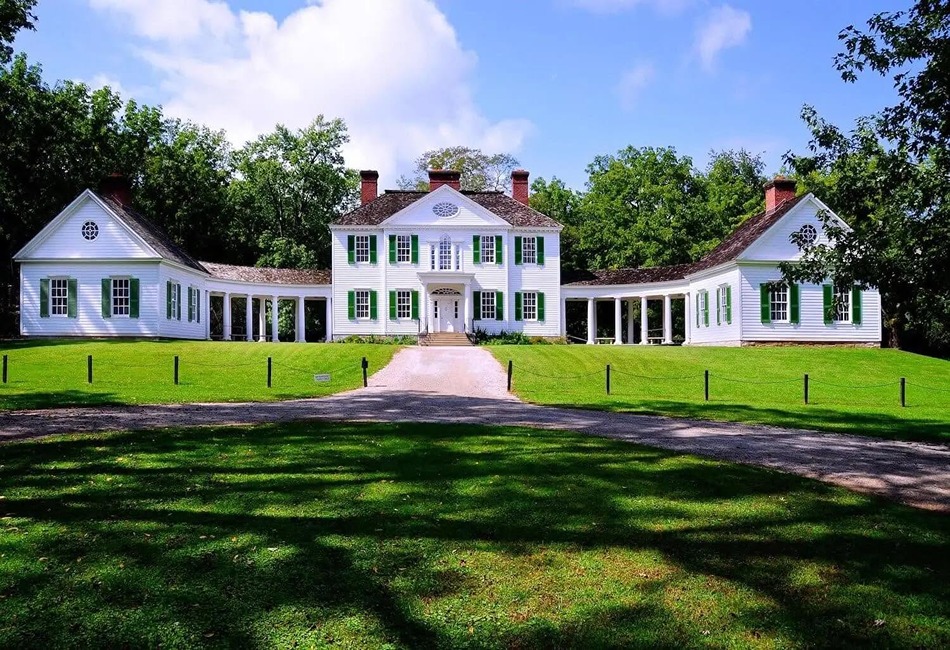
Blennerhassett Island Historical State Park (Parkersburg)
Blennerhassett Island Historical State Park offers field trip experiences for upper elementary to middle school groups that combine living history, transportation, and early American politics in one immersive adventure. Students begin with a unique sternwheeler voyage across the Ohio River to explore the reconstructed Blennerhassett Mansion and property with historical interpreters. Hands-on youth programming for grades 3-6 includes the boat ride, a guided tour of the mansion, museum exploration, and educational lessons about early 1800s life and the Blennerhassett family’s connection to Aaron Burr. Period demonstrators and guided interpretations help students examine architecture, clothing, household life, and transportation while connecting local events with broader American history. The Ohio River itself is another teaching tool that encourages students to consider why waterways were so important to migration, commerce, and communication before the construction of railroads and highways.
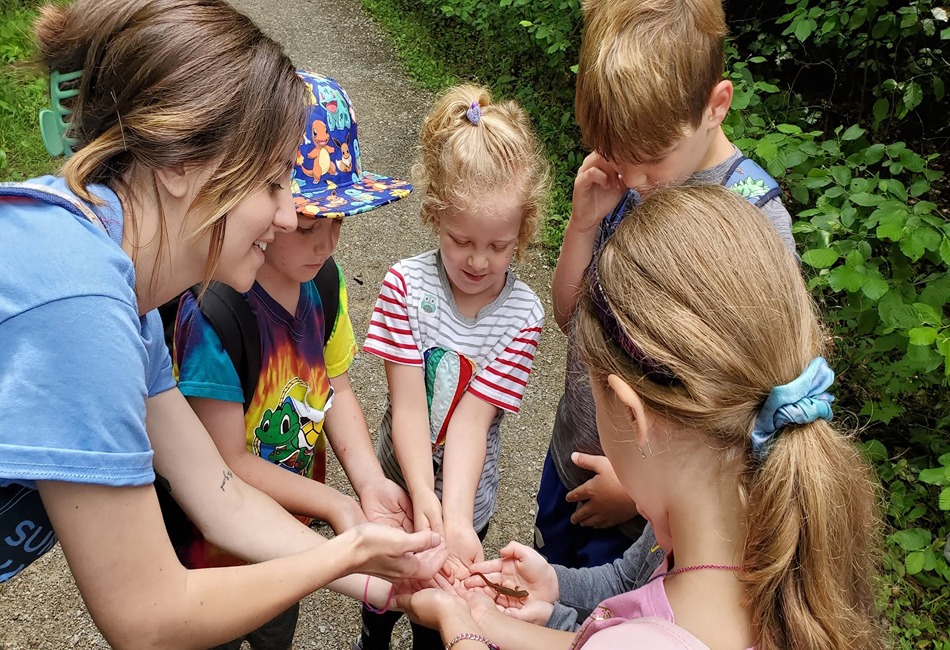
West Virginia Botanic Garden (Morgantown)
At the West Virginia Botanic Garden in Morgantown, Pre-K through eighth-grade students can participate in science-based experiences aligned with West Virginia science standards. Young learners can interact with garden specimens like butterflies and plants using magnifying lenses and record their findings for up-close science. Middle school student programs shift toward ecosystem science and the study of habitats and organisms through interactive games that encourage them to investigate, observe, and consider human impacts on the natural world. Other topics include renewable and non-renewable energy resources and conservation. Programs last approximately two hours.
Stay updated on the best student travel experiences! Subscribe to the Student Travel Pro newsletter and receive expert insights, top destinations, and planning strategies straight to your inbox.