Activism, Engineering and Coastal Discovery
Throughout North Carolina, educators have an abundant assortment of exceptional hands-on experiences that help students connect the past to the present. Groups can explore the roots of the sit-in movement, investigate racing technology, climb through nine decks of an authentic World War II battleship, and interact with science concepts. The coastal region offers a museum introducing field trip programs in weather, robotics, engineering, regional history, and astronomy for the 2026-27 school year. These educational attractions provide valuable resources for educators, with several offering free or reduced admission for NC schools. The state’s familiar subjects, including NASCAR, storms, civil rights, and ships, become gateways to deeper lessons about citizenship, environmental change, physics, engineering, and how humans can transform society.
Make student group travel stress-free! Access the latest Student Travel Pro magazine for must-know destination insights and expert advice.
“Rather than simply hearing the story, groups are immersed in the sit-in movement as they stand beside the counter and reflect on the experiences of four college freshmen who sat peacefully in protest.”
International Civil Rights Center & Museum (Greensboro)
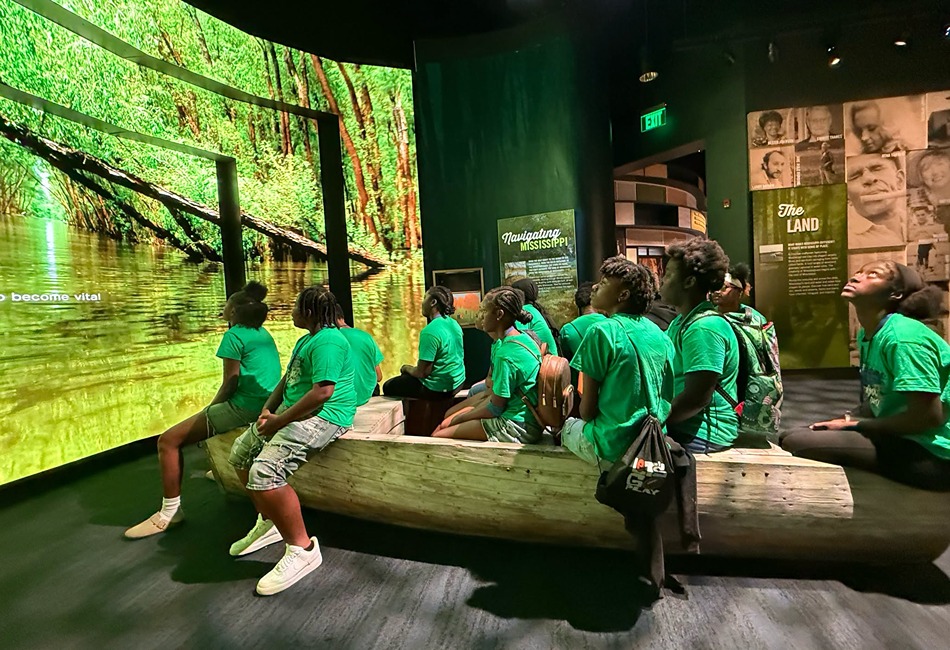
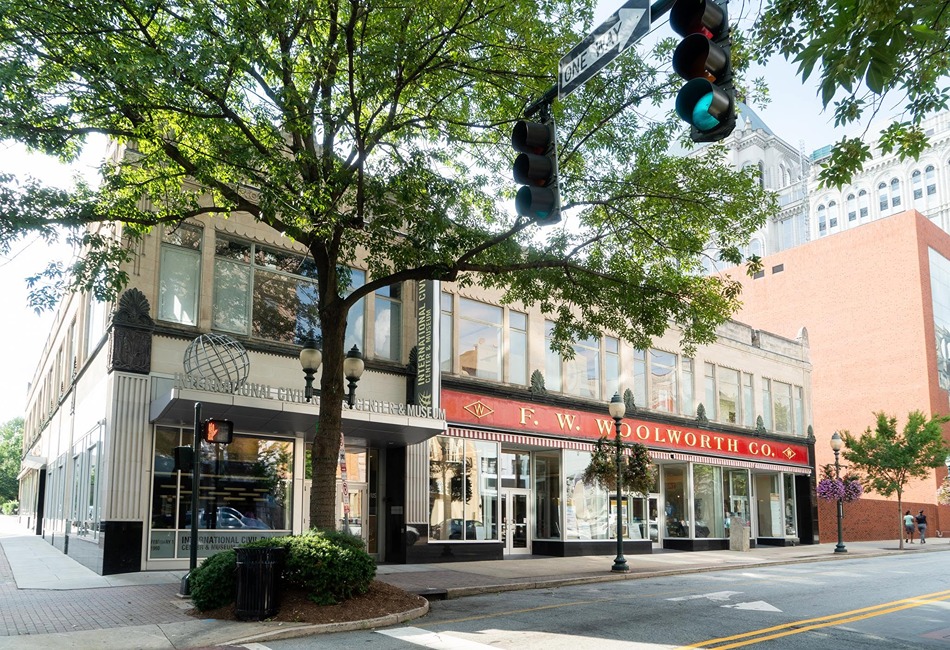
In Greensboro, the International Civil Rights Center & Museum preserves an incredible artifact: the original F.W. Woolworth lunch counter, where the Greensboro Four sat and launched a landmark sit-in on February 1, 1960. Rather than simply hearing the story, groups are immersed in the sit-in movement as they stand beside the counter and reflect on the experiences of four college freshmen who sat peacefully in protest. For K-12 groups, educators can choose from guided and self-guided tours, a filmed introduction, and gallery exploration. Younger students in grades K-2 experience a shorter tour combined with storytelling and a scavenger hunt, while older learners can examine exhibits showcasing artifacts, photographs, multimedia accounts, and re-enactments covering the broader civil rights struggle. Educational resources for pre-trip planning include a free Concept Primer, which prepares classes for sensitive themes. It’s important to note that one gallery contains graphic historical imagery, and the museum provides guidance for those bringing younger learners.
NASCAR Hall of Fame (Charlotte)
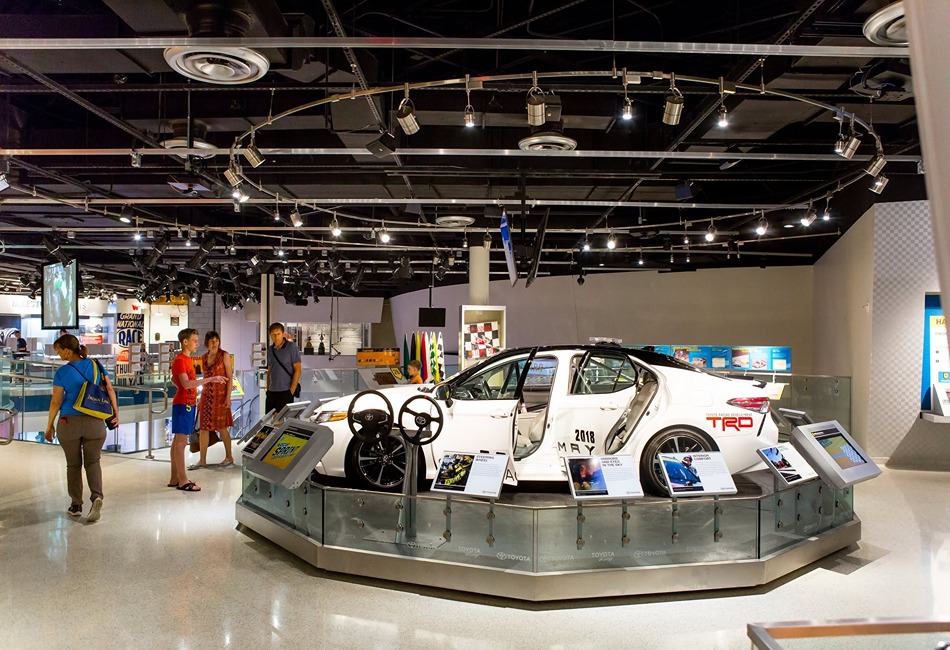
The relationship between sports and engineering is fully demonstrated at the NASCAR Hall of Fame, where students can learn about the dynamics of physics in racing, aerodynamics, force, speed, and friction. Vehicle design, technology, and the history of stock-car racing are other themes groups can explore through immersive activities and authentic racecar exhibits. North Carolina has strong, deep roots in NASCAR and racing culture, making the Hall of Fame an ideal destination for researching sports as part of a region’s culture and economic development, not just competition. Use racing to show how mechanical engineering, data analysis, communication, and teamwork are all part of racing. The location also introduces older students to career pathways in automotive technology, making it a field trip that helps sports lovers see a future in the industry beyond the athletic component.
Battleship NORTH CAROLINA (Wilmington)
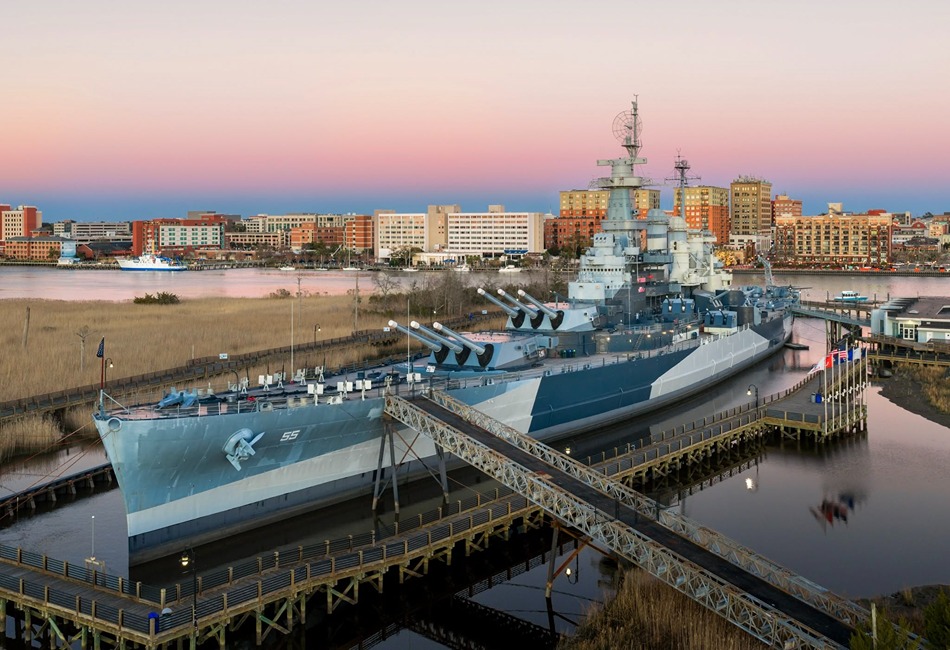
With two upgraded field trip programs, Battleship NORTH CAROLINA is an ideal destination for groups interested in World War II history, ecology, and conservation. For grades 3-12, Price of Freedom invites learners to investigate the crew members of North Carolina who served in WWII. The second program, Eagles Island Immersion: Island in the Stream, utilizes the battleship’s surrounding natural environment to teach about conservation, ecology, and the Cape Fear River landscape’s relationship to the people. Both programs encourage inquiry and active learning, where students can explore the ship on their own, considering the lives of thousands of sailors who worked and lived aboard as they move through each deck, from the engine room to the bridge.
Discovery Place Science (Charlotte)
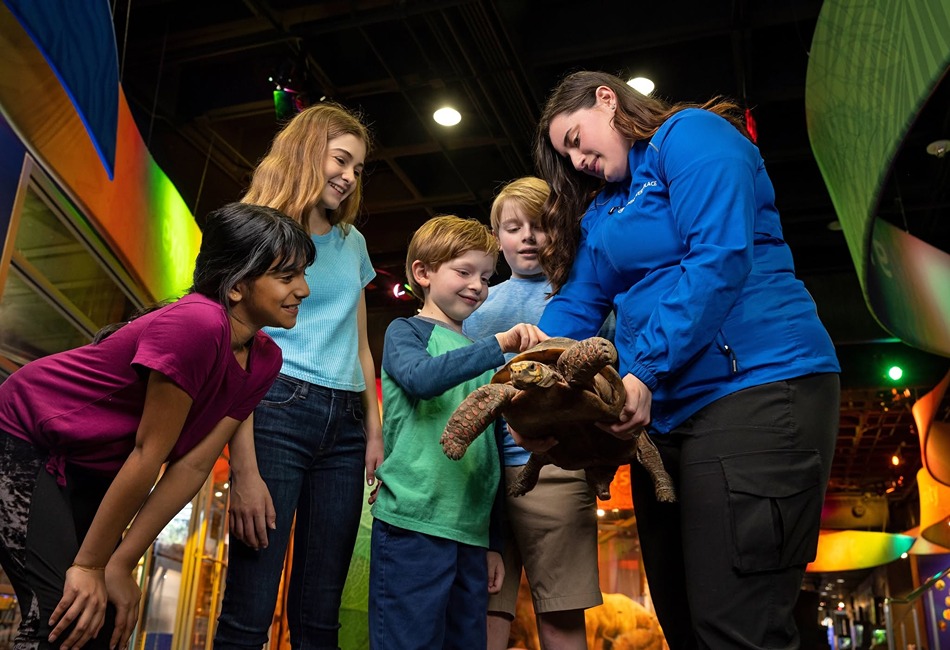
At Discovery Place Science, students are encouraged to learn through doing. Hands-on exhibits, interactive labs, IMAX presentations, live science experiences and teacher-led activities give K-12 groups incredible opportunities for active learning. Students can explore physics, engineering, coding, biology and other STEM topics through active investigation, experimentation and problem-solving. Field trips are customizable by grade, group size and curriculum needs. Teachers can tailor a trip to specific labs and classes for a bespoke itinerary. The location’s educational experiences can demonstrate a range of topics, from animal science to engineering design, while outreach programs bolster classroom learning with similar interactive experiences. High school students can explore career and workforce pathways that introduce them to unique fields, such as coding and engineering, through real-world challenges.
Cape Fear Museum of History & Science (Wilmington)
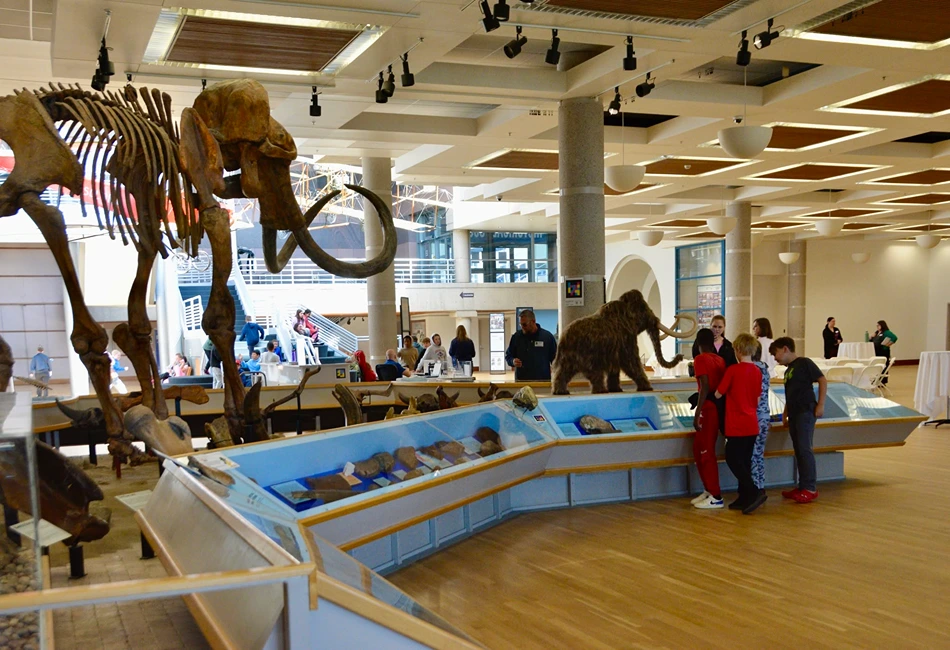
At its new Grace Street facility, the Cape Fear Museum of History & Science offers a robust 2026-27 school program for pre-K-12 students. Educators can pair self-guided exploration with planetarium shows andhands-on programs aligned with NC standards. Youth groups can step directly into the role of engineers and build challenges or as scientists to investigate North Carolina’s prehistoric animals. The BotLab lets older visitors program LEGO robots for an immersive engineering lesson. Students can also examine weather elements and atmospheric science in Weather Wonders, discover the movements of Earth, moon, and sun in Solar System Connections, and learn about the region’s culture in People of the Cape, all through immersive activities.
Make every student trip unforgettable! Sign up for our free newsletter and get travel inspiration, budgeting tips, and expert planning resources.