Discover the Stories Shaped by Land, Water and People
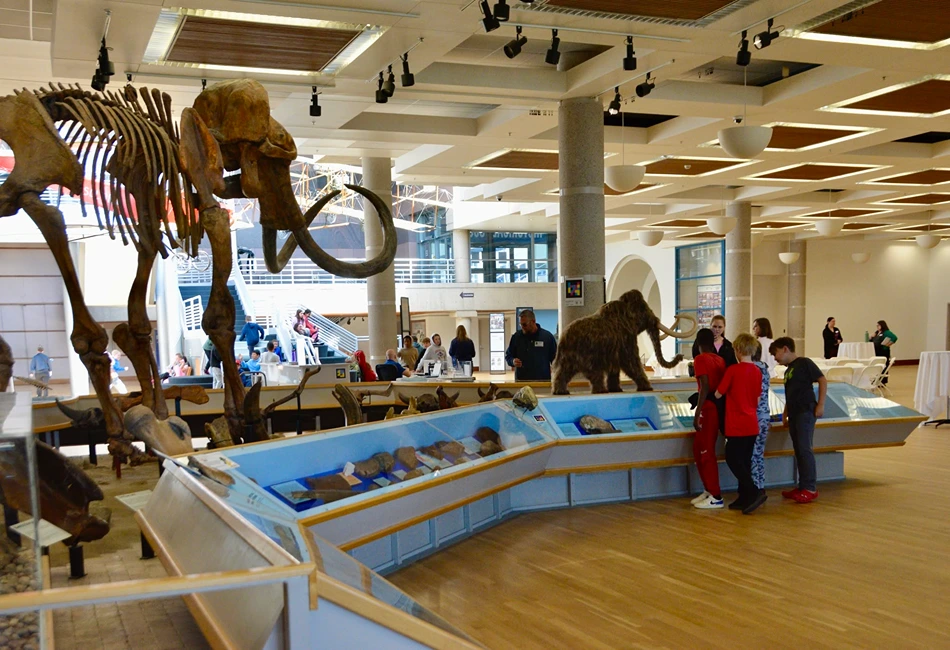
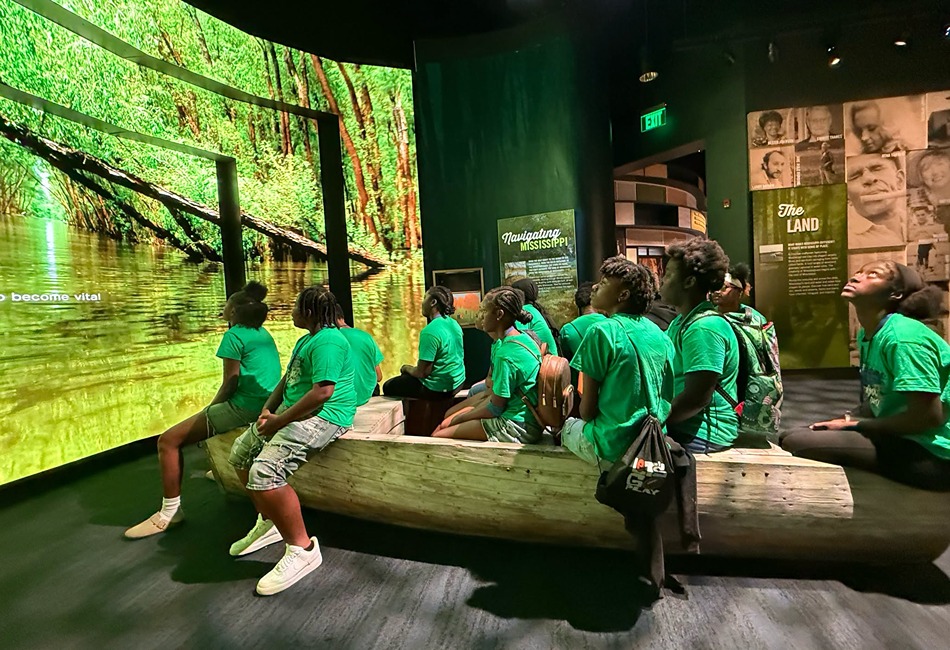
Field trips throughout the Magnolia State showcase how culture, environment, and history are intertwined. Students can explore artistic and agricultural traditions that influenced the state’s development, stand on a battlefield shaped by the Mississippi River, examine Gulf Coast ecosystems firsthand, and convene outside the home of a civil rights leader. These destinations encourage students to think outside the broader textbook narratives through grounding lessons focusing on artifacts, individual experiences, and specific landscapes. Robust opportunities for interdisciplinary study include military engineering and geography; art museums that illuminate storytelling and identity; agriculture that introduces environmental science and economics; and discussions of storms and climate resilience that connect to coastal science.
The ultimate guide to student travel is here! Download Student Travel Pro and explore inspiring itineraries, budgeting tips, and expert planning resources.
“Standing where history happened is a powerful tool to help students understand that social change demanded real people making consequential choices.”
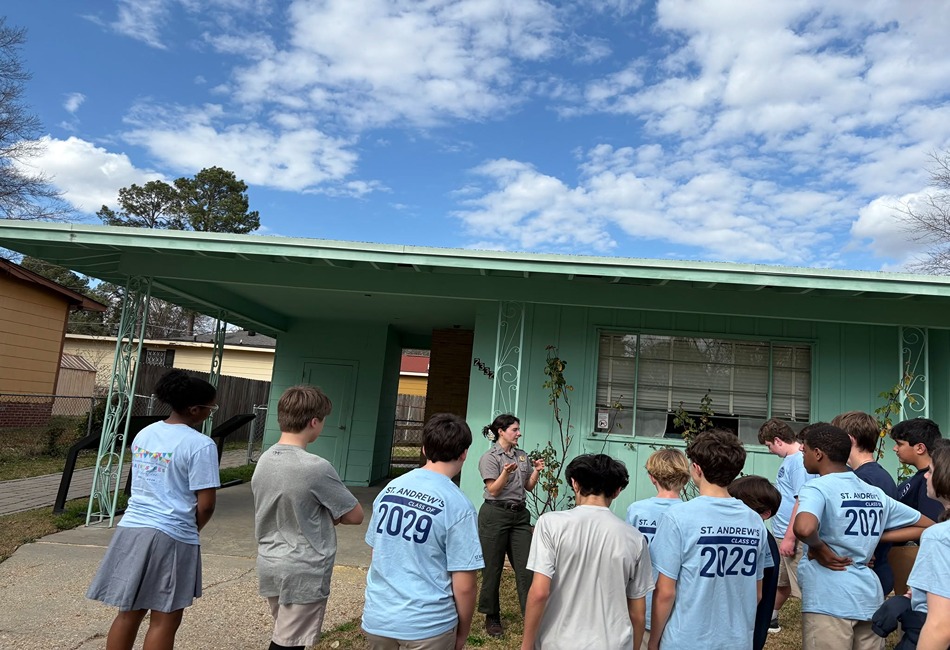
Medgar and Myrlie Evers Home National Monument (Jackson)
Civil rights history becomes profoundly personal at the Medgar and Myrlie Evers Home National Monument in Jackson. Here, students can learn about Medgar Evers, a NAACP field secretary whose work challenged segregation and voter suppression during the Civil Rights Movement. Groups can learn about the Evers family’s experiences during one of the most dangerous periods of the movement, including experiencing the home itself, which helps students understand the far-reaching effects of activism on neighborhoods, families, and everyday life beyond marches and courtrooms. Standing where history happened is a powerful tool to help students understand that social change demanded real people making consequential choices. Junior Ranger materials are available and encourage youth groups to actively engage with the Evers’ story.
Vicksburg National Military Park (Vicksburg)
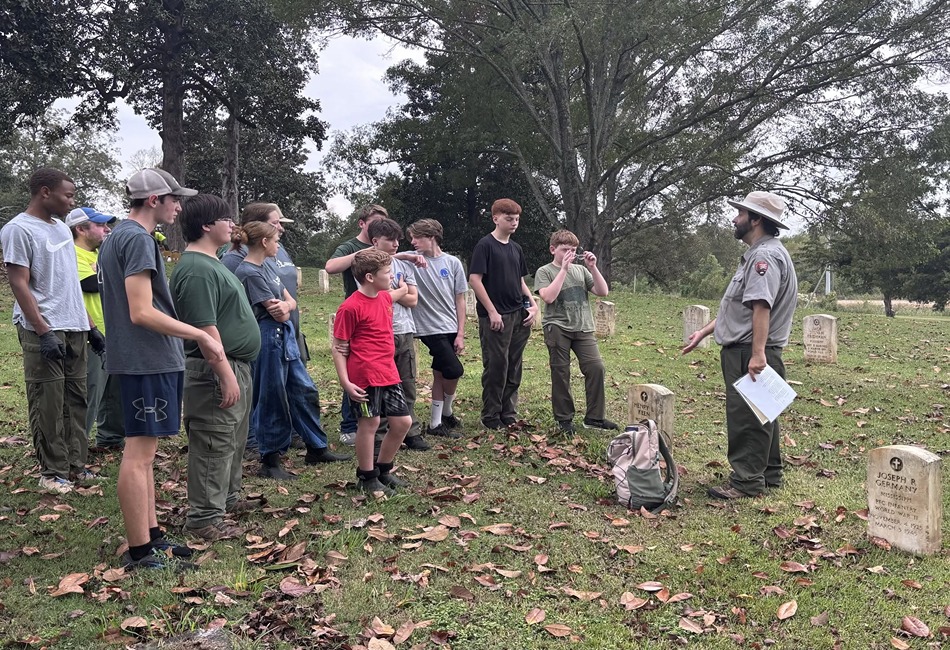
Examine the Civil War through engineering, geography, strategy, and history at Vicksburg National Military Park. During the war, Vicksburg’s campaign aimed to seize control of the Mississippi River, making this preserved battlefield an immersive outdoor classroom for discussing topography, transportation networks, and the logistical challenges military operations faced. Explore fortifications, battlefield terrain and monuments, and consider the city’s prized location for both Union and Confederate forces. Another fascinating STEM connection awaits aboard the USS Cairo, a recovered Civil War ironclad, which connects naval engineering, 19th-century military technology, and the science of metalworking. The NPS offers educational materials to help frame field trips around broader questions, such as: How did technology change warfare? How does geography influence military decisions? And how did the Vicksburg campaign affect free and enslaved people in surrounding communities?
Mississippi Aquarium (Gulfport)
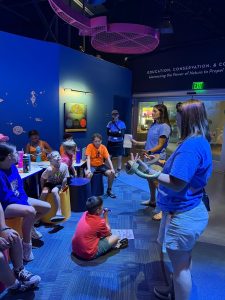
The Gulf Coast becomes a gateway into aquatic ecosystem studies and environmental stewardship at the Mississippi Aquarium in Gulfport. Groups can explore expansive habitats featuring species from coastal wetlands, the Mississippi River, and the Gulf, helping students better understand how marine and freshwater systems connect. Through encounters with fascinating exhibits, learners are encouraged to discuss biodiversity, animal adaptations, conservation, and food webs. The Gulf Coast location is ideal for groups studying climate change, hurricanes, coastal flooding, and resilience, and helps them consider firsthand how these natural environments act as buffers for communities during storms and flood events.
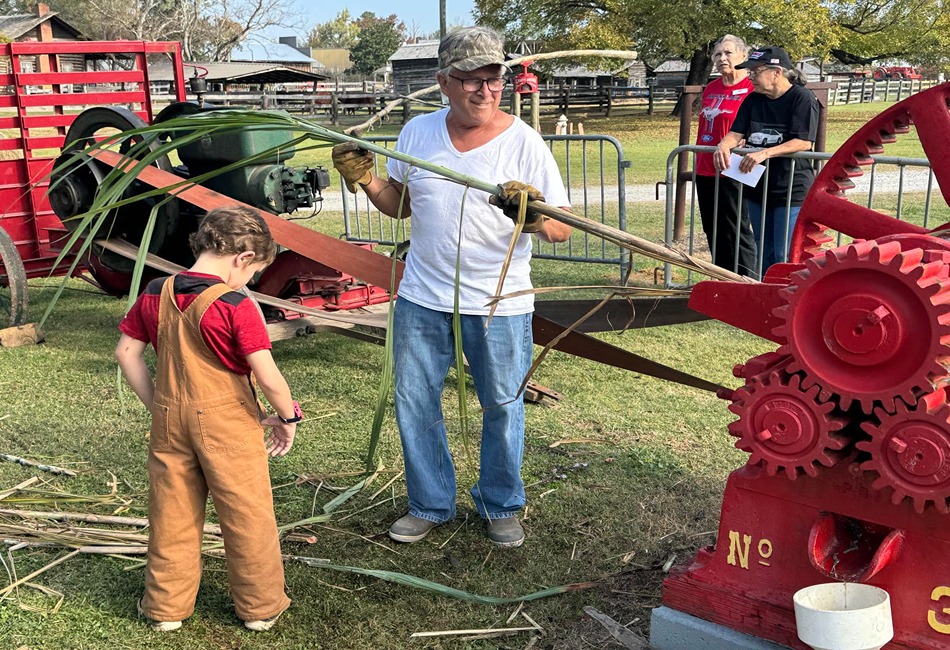
Mississippi Agriculture & Forestry Museum (Jackson)
Field trips to the Mississippi Agriculture & Forestry Museum introduce students to agriculture through lessons in science, technology, economics, and everyday life. Explore how forestry and agriculture shaped Mississippi’s economy while discovering historic buildings, equipment, and exhibits showcasing food production and rural communities. Students can compare older agricultural practices with modern technology and learn about how innovations changed labor, land use, and productivity. Younger students can visualize where raw food originates, while older students can explore topics such as mechanization, natural resources, and agriculture careers. Through the recreated Small-Town Mississippi environment, a social history context shows how communities and rural businesses supported agricultural life.
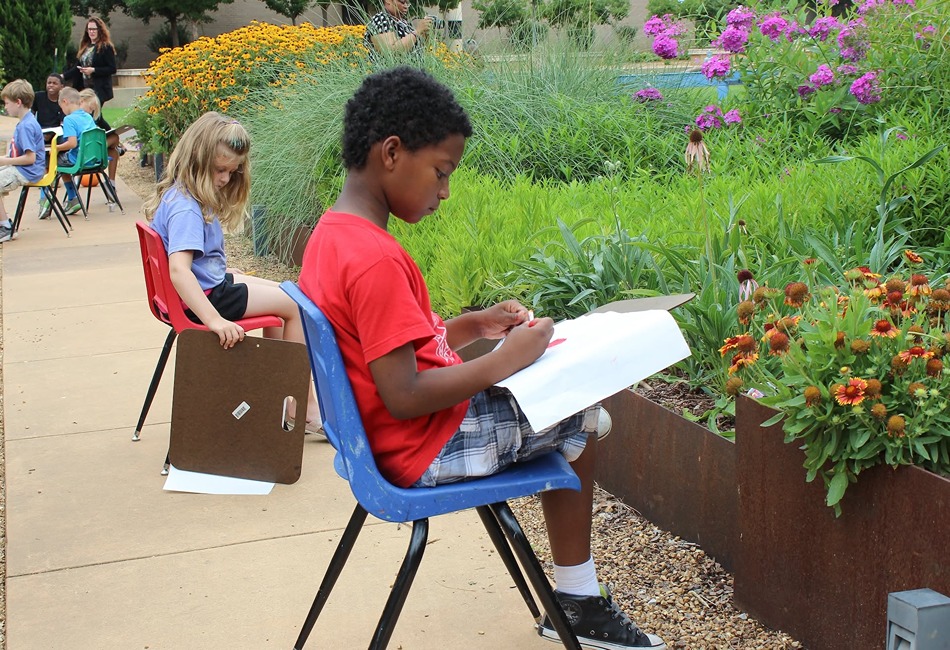
Mississippi Museum of Art (Jackson)
Explore the people, places, and state of Mississippi through visual interpretations at the Mississippi Museum of Art in Jackson. Here, visitors can learn to practice close observation, visual literacy, and interpretation as they explore how art communicates culture, identity, history, and perspectives through creative forms. Visitors can draw connections between Mississippi and Southern art, race, landscape, and regional history and culture, while contemporary works challenge students to consider how artists respond to social issues during their time. Galleries become educational tools that strengthen language arts skills by asking them to describe, compare, and support their interpretations with visual evidence
Make every student trip unforgettable! Sign up for our free newsletter and get travel inspiration, budgeting tips, and expert planning resources.