
Ideas Take Flight in the Peach State
Georgia offers an exciting crossroads for student groups, where engineering, environmental science, cultural history, and social change intersect. Cutting-edge technology labs and aviation museums encourage future engineers to experiment and solve problems, while Atlanta offers powerful experiences that investigate the Civil Rights Movement and the Olympic Games’ social history. Beyond city learning environments, discover wetlands and nationally significant landscapes that turn history and ecology into outdoor education. Georgia is especially valuable to educators for its quality student programming, with several destinations offering standards-aligned curriculum designed by museum educators for expert lessons. Students can examine primary sources, code robots, study human rights, explore Indigenous and Civil War history, and investigate ecosystems up close.
Make student group travel stress-free! Access the latest Student Travel Pro magazine for must-know destination insights and expert advice.
“A visit to the refuge helps students understand wetlands as a dynamic system, not simply an expanse of water and vegetation, and the role wetlands play in storing water and supporting biodiversity.”
Museum of Aviation (Warner Robins)
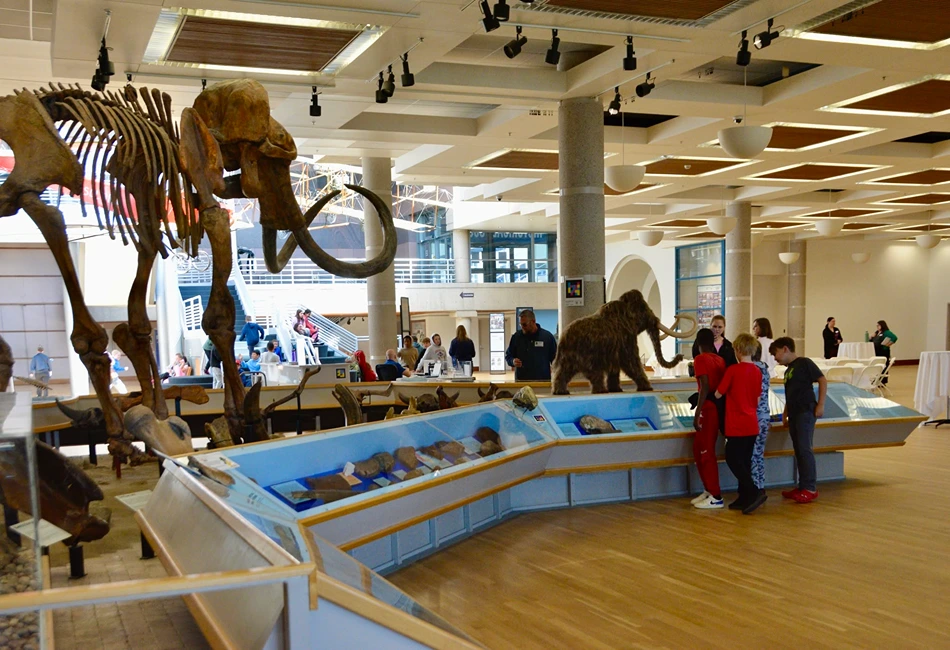
At the Museum of Aviation in Warner Robins, just south of Macon, aviation becomes the backdrop for STEM lessons. The Museum’s STEM field trips are by grade level and aligned with Georgia science standards, with opportunities for students to complete experiments, engineering challenges, tech-based projects and robotics activities. Younger students can explore transportation through guided play, while the expanding GEAR Lab brings artificial intelligence, aerospace, robotics, 3D design and automation into focus, showcasing how emerging technologies connect to real-world careers.
Programs help students understand how STEM concepts translate into everyday life, and innovation requires curiosity, collaboration and problem solving.

National Center for Civil and Human Rights (Atlanta)
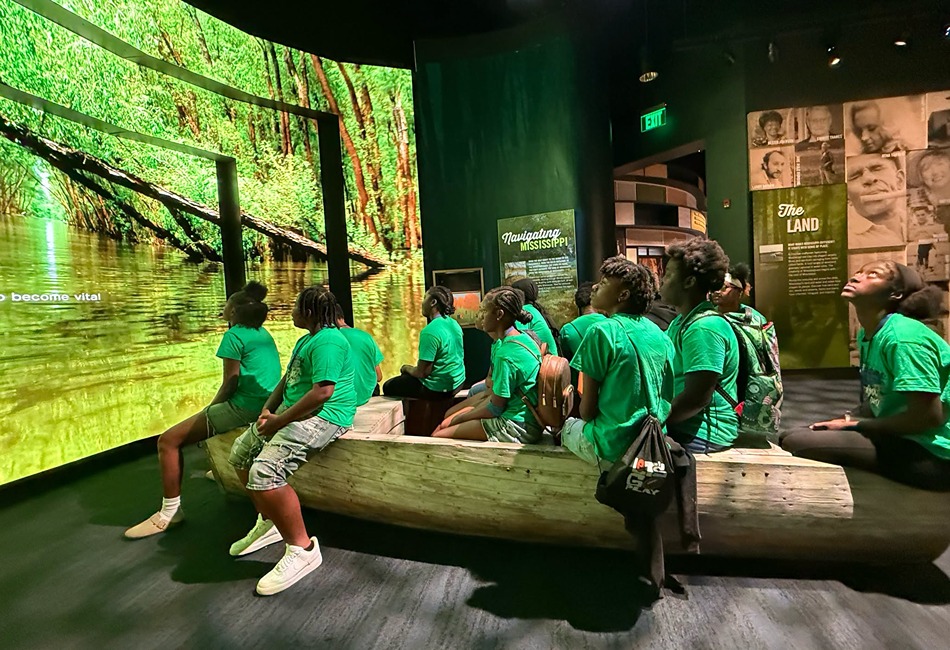
Lessons in civil and human rights and civic participation come into focus at an immersive setting built to provoke thought and reflection. The National Center for Civil and Human Rights offers K-12 field trips that challenge students to examine how people and communities face injustice and consider their own roles as citizens. Powerful exhibits connect the Civil Rights Movement to the broader human rights struggle worldwide. The Center’s famous lunch counter experience helps students feel an emotional connection to peaceful protesters and the resistance they faced. For ages 12 and under, a new children’s gallery opened in 2026 and introduces young learners to civil and human rights history through hands-on challenges promoting civic engagement. Discounted admission for schools is available. Inquire about free admission through Operation Inspiration, which helps remove cost barriers for students who may need assistance.
Atlanta History Center (Atlanta)
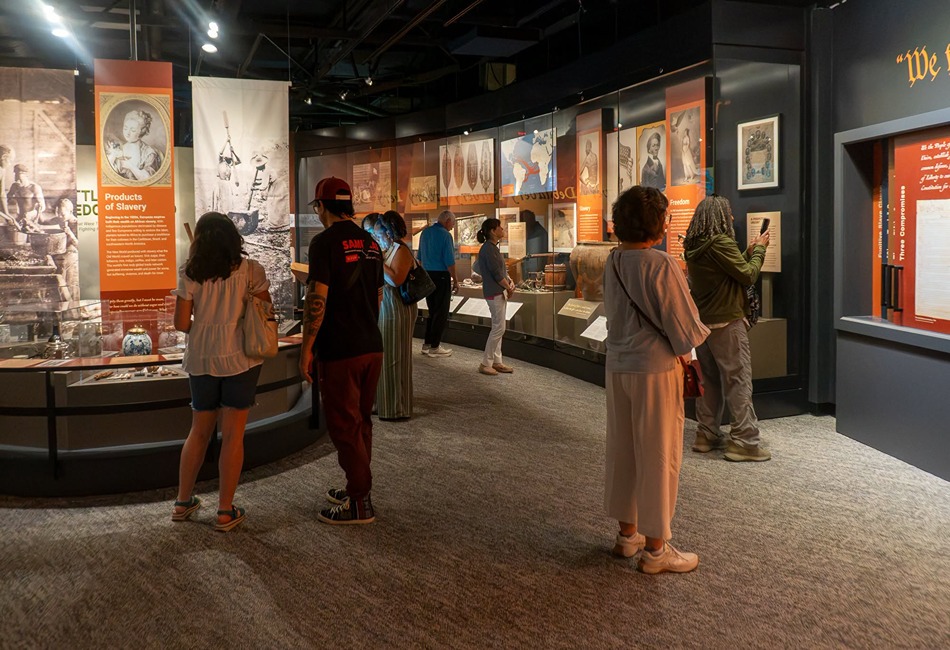
The Atlanta History Center’s 2026-2027 school programming connects directly to Civil Rights and sports history, with fascinating exhibits and experiences. Students can discover Civil War history through immersive interpretation, learn about Cherokee history through storytelling and language, or examine Atlanta’s place in American history. Other programs include explorations of the 1996 Olympic Games and the Civil Rights Movement, giving educators an athletics-focused avenue that incorporates both competition and the movement’s impact on the city’s infrastructure, identity, and global standing. Programs are designed by grade level and academic standards, with many including pre- and post-tour educator resources.
Okefenokee National Wildlife Refuge (Folkston/Waycross Area)
Groups can experience one of the country’s most distinctive wetland ecosystems at Okefenokee National Wildlife Refuge. The vast swamp becomes a living classroom for lessons in wildlife conservation, biodiversity, hydrology, wildfire ecology and the relationships between humans and wetlands. Choose between staff- or teacher-led field trips that include demonstrations, interpretive activities and the chance to explore the swamp. Students can learn about what shapes habitats, how fire contributes to ecosystems and how species adapt to climate change. A visit to the refuge helps students understand wetlands as a dynamic system, not simply an expanse of water and vegetation, and the role wetlands play in storing water and supporting biodiversity.
Chickamauga & Chattanooga National Military Park (Fort Oglethorpe)
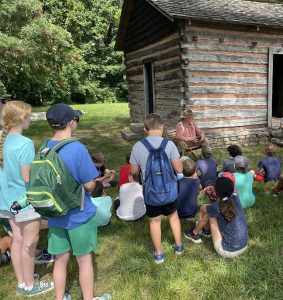
Geography becomes part of the lesson at Chickamauga & Chattanooga National Military Park. Groups can examine terrain, decision-making, and transportation routes that influenced one of the Civil War’s most consequential campaigns. Visit the preserved battlefields while listening to the experiences of soldiers, civilians, and communities affected by war. The park offers the chance to study mapping and landscape history, preservation, and to connect social studies with environmental observation and geography. The National Park Service provides curriculum materials and educational resources for pre-trip preparation, making it easier to prepare students for what they will see.
Discover must-visit destinations for student groups! Join our newsletter for exclusive travel guides, itinerary ideas, and planning advice.