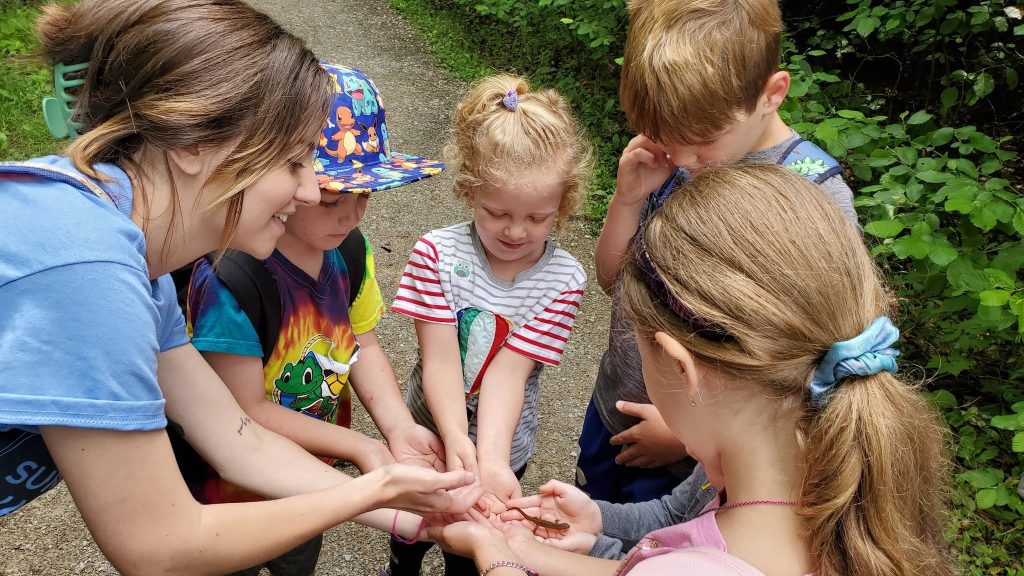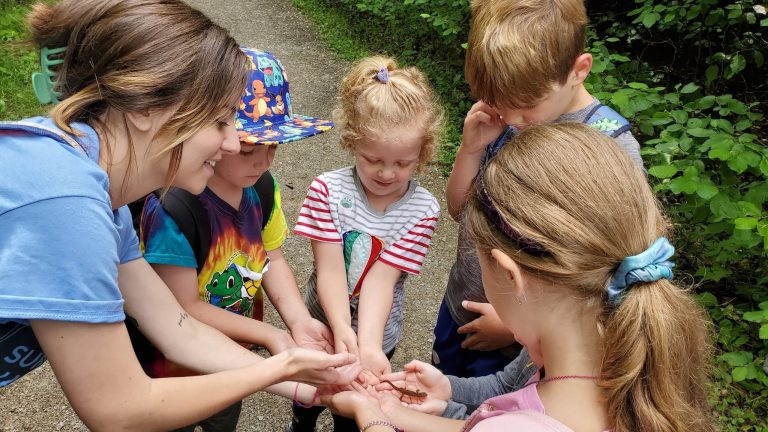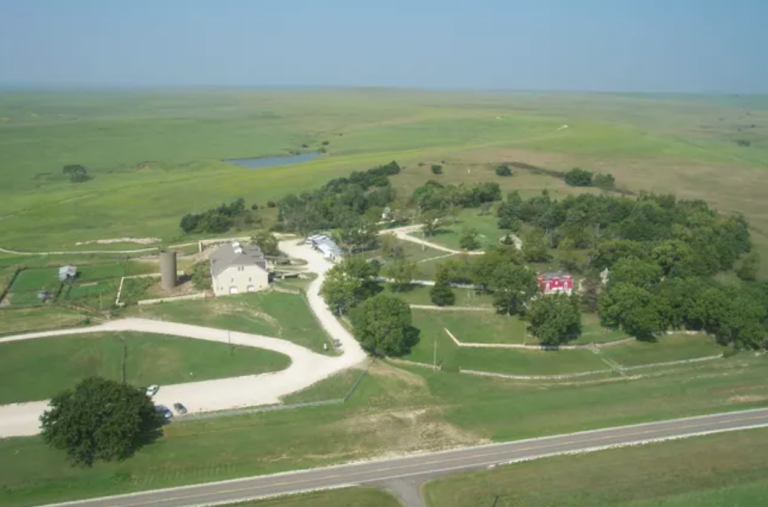

The West Virginia Botanic Garden in Morgantown gives students a chance to trade the classroom for an outdoor learning space filled with plants, wildlife, wetlands, and forests. The Garden is part of the Tibbs Run Preserve and includes several natural environments, making it a great place for students to see science in action. Instead of learning about habitats, life cycles, and seasonal changes only from a textbook, students can walk through those environments and make their own observations. The Garden offers science-based field trips for students from Pre-K through eighth grade, with programs designed around different ages and learning levels.
What Students Can Learn
Younger students can participate in the “Be a Scientist!” program, which introduces Pre-K through first graders to the basics of scientific observation. Students explore gardens and natural areas while using journals to draw or write about what they see, hear, touch, and smell. They practice asking questions and recording observations, then take home a pencil, journal, and magnifying lens to keep exploring after the trip. Older elementary students have programs such as “Seasons Change,” which focuses on how plants, trees, and animals respond to seasonal changes. Students observe plants and wildlife while learning how animals prepare for winter and can collect leaves or other natural items to continue the lesson at school.
Elementary School Group Programs
The Garden also offers programs that let students follow nature through different life stages. In “The Circle of Life,” students in first through fourth grade can study either frogs or butterflies, depending on the teacher’s choice. They observe plants, tadpoles, or butterflies in their natural habitats while reviewing life cycles, then plant a seed in a biodegradable pot to take home. For grades second through fifth, “Exploring Habitats” takes students through several of the Garden’s ecosystems, including open fields, wetlands, hardwood forests, hemlock forests, and ponds. At each location, students make observations and complete activities focused on the plants and animals that depend on those habitats.
Middle School Experiences
Middle school students can take on more advanced environmental science through “Habitats, Humans, & Energy.” Designed for fifth through eighth grade, the program combines a walk through different habitats with an interactive game about habitat needs and disturbances. Students also learn about energy sources and ways to conserve energy. The program helps students see the connection between people and the natural environment, including how natural and human-caused changes can affect organisms and their habitats. The Garden says its school programs were designed to meet West Virginia Science K-8 Content Standards and Objectives, and programs can be adapted to meet the needs of individual groups.
What Students Can Learn
The field trip can also give teachers plenty to work with before and after the visit. Before heading to the Garden, students could learn basic vocabulary such as habitat, ecosystem, adaptation, pollination, and life cycle. They could predict what plants and animals they might see and create a simple observation sheet to bring along. During the visit, students can sketch plants, record animal sightings, compare different habitats, or keep a nature journal. Back in the classroom, those observations could become the starting point for a food web, habitat map, plant growth experiment, or discussion about how humans affect ecosystems. The Garden also offers group tours on a variety of subjects, including trees, wildflowers, insects, amphibians, pollination, and general nature, giving teachers options when they want to focus on a particular topic.
For teachers looking for an affordable field trip with plenty of hands-on learning, the West Virginia Botanic Garden is a strong option. School programs cost $8 per student, while adults are free, and most field trips last about two hours. Make reservations at least two weeks in advance. The Garden also offers field trips and group tours year-round so that students can experience the landscape in different seasons. Most importantly, students leave with more than a list of facts. They spend time outside observing real plants, animals, and habitats, which can make science feel more immediate and memorable.