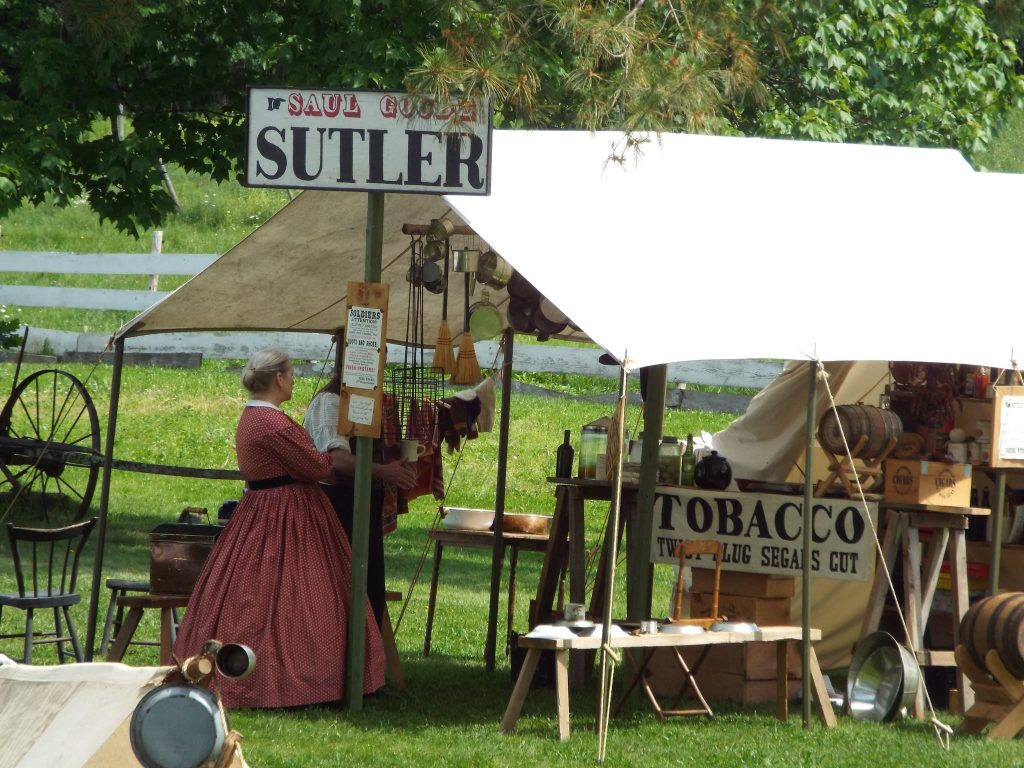
Bubble of Another Time Step back in time at Washburn Norlands’ 400-acre estate, where you can explore the many facets of this massive history center. Like many historical centers that use immersion, the Center uses costumed interpreters to guide visitors through living exhibitions so they can learn more about late 19th-century life and broaden their understanding of the technological leaps made in the last century or so.
The programs offered for visiting groups are referred to as the Norland sample program, which engages students in several aspects of late 19th-century life. The Center’s campus is made up of historic buildings, a Victorian mansion with an attached farmer’s cottage and Gothic-style library among them, as well as a working farm made up of a historic barn and homesteading gardens.
Exploring a Different Life
These half-day programs promise an activity-fueled adventure; the sampler program invites students to live as their counterparts might have all those years ago. These small, interactive groups get hands-on experience no matter where they spend the day and are likely to be the highlight of their year.
Visiting students can go to ‘school’ in the historic one-room schoolhouse on the grounds, where they participate in lessons taught way back when. Students complete these lessons with the tools of the time, using slate and chalk. For fun, these visitors also learn word games that people played in 1870 to pass the time and kill boredom.
Get Your Hands Dirty
To place students in rural life, the sampler program offers two options that immerse someone in the more rustic parts of life before electric luxury. Visitors can help the interpreters of the Center in the Farm Cottage Kitchen, helping to do the washing, piecing together quilt squares, bringing in firewood and more. In the kitchen, students learn about the technologies vital to running a house through these activities. They also learn about the tools used to prepare food for the table.
For a look into the farming world, students can get their hands dirty at the barn and the gardens. This section of the program focuses on homesteading; students help collect eggs from chickens, tend goats in the barn, and plant, weed, gather, and care for the gardens. Here, students can learn, through their activities, the work that goes into homesteading and the everyday process of tending a farm.
Discover a Mansion
For a more historic perspective, tours of the Washburns’ summer home and library include the story of how the Washburn family built the Norlands estate. Today, the idea of an individual, or a family, taking charge to build their own home and cultivate their own land is an anomaly for modern kids. Exploring the creation of these historic buildings can help students understand the shift between then and now, not just in technology, but in perspective and expectations over time.