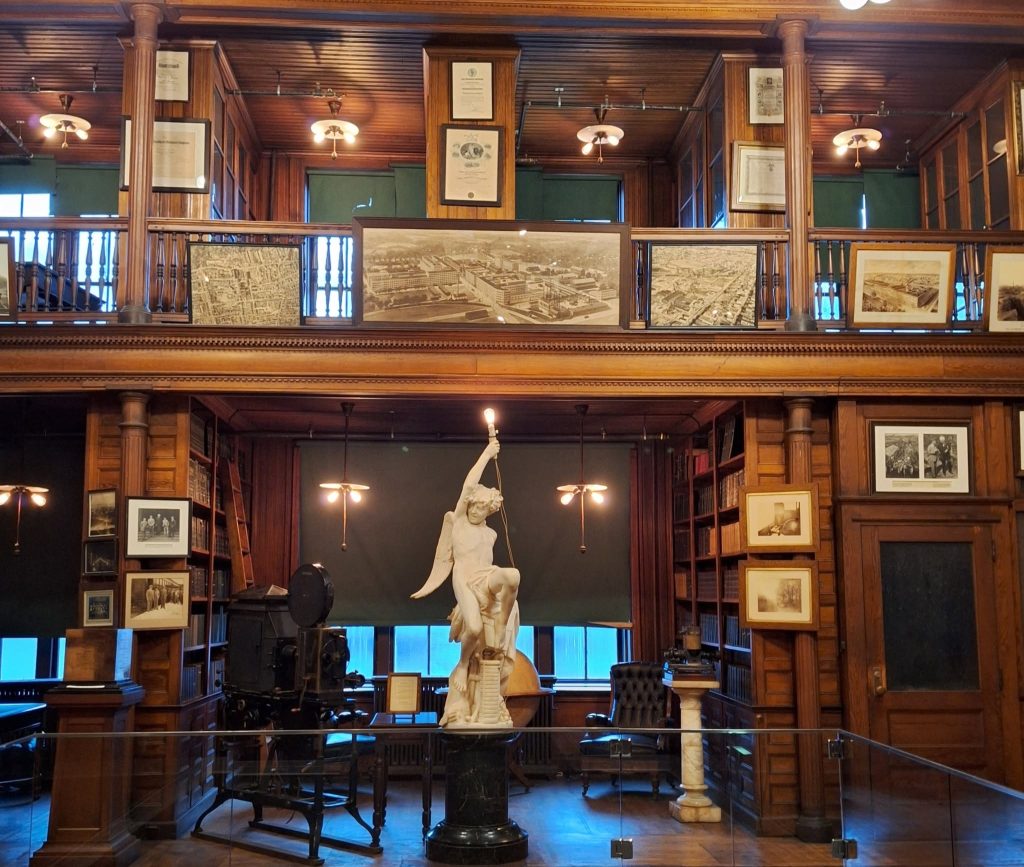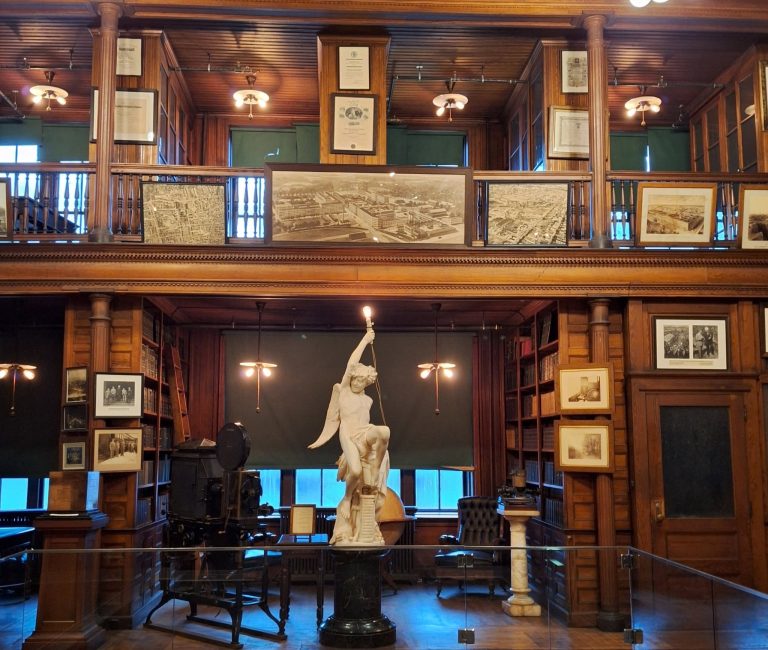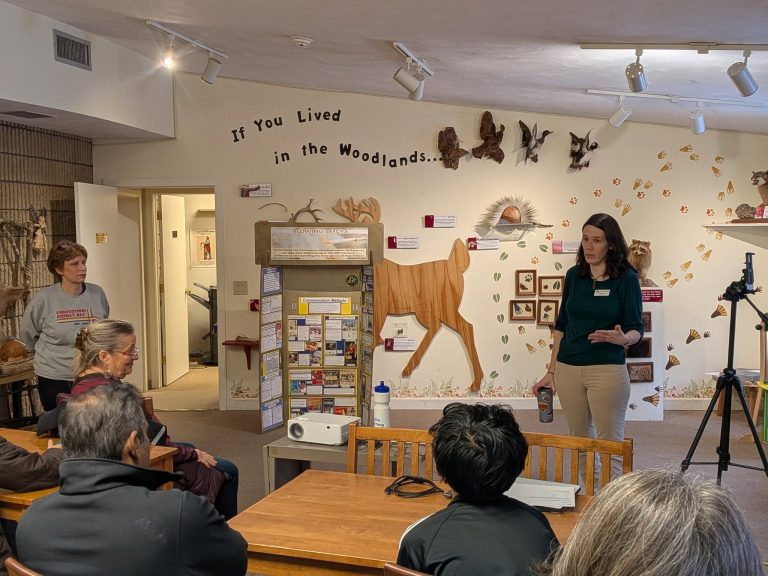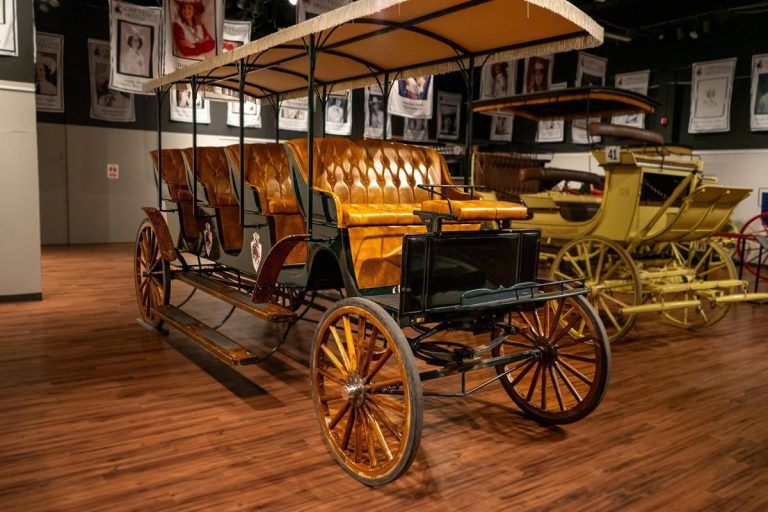
Explore innovation and invention at one of the world’s earliest industrial research and development facilities: Thomas Edison National Historical Park. Students enter the authentic laboratory complex where Thomas Edison and his team conducted research, developed new technologies and turned ideas into products that reshaped everyday life.
Guided academic visits combine a 60-minute laboratory tour with a 30-minute hands-on activity. Grades 4–8 can follow Edison’s engineering process in Idea to Product: The Edison Way, while grades 9–12 compare Edison and Victrola phonographs before staging a debate in Who’s the Victor? Self-guided options offer added flexibility, and academic groups from elementary school through college can connect the site with STEM, history, entrepreneurship and creative problem-solving.
What Students Will Experience
The park’s greatest strength is authenticity. Students are not visiting a reconstructed “inventor’s lab”; they are moving through the actual West Orange complex where Edison and a large team of machinists, chemists, experimenters and other specialists worked to develop inventions and commercial products. That setting helps students see invention not as a lone flash of inspiration but as a process built around collaboration, testing, revision and persistence.
Guided school tours last about 90 minutes and begin with a roughly hour-long exploration of the laboratory complex. Students can observe the workspaces where ideas were tested and consider how research, manufacturing and business operated together under one roof. The tour then shifts into a 30-minute activity tailored to the group’s grade level.
For grades 4–8, Idea to Product: The Edison Way asks students to examine Edison’s invention process and then apply similar thinking to create a product idea of their own. The activity reinforces the idea that useful inventions emerge through identifying needs, experimenting, improving a design and thinking about how a product might actually be used.
High school students in grades 9–12 can participate in Who’s the Victor?, which compares Edison and Victrola phonographs. Students analyze similarities and differences between the competing technologies and then use evidence to support their positions in a debate. The program makes technological history more dynamic by asking students to think about competition, consumer choices and the way innovations succeed—or fail—in the marketplace.
Self-guided academic visits are also available during regular operating hours, giving schools the option to explore at their own pace when guided reservations are unavailable.
Curriculum & Grade-Level Connections
Thomas Edison National Historical Park welcomes academic groups from elementary school through high school and college, but its most clearly grade-banded guided activities begin at grade 4.
The site naturally supports STEM learning through engineering design, experimentation and technological development. Students can examine how Edison’s teams approached repeated testing and refinement and compare that process with modern engineering-design cycles. The laboratory setting also offers opportunities to discuss electricity, sound recording, materials, chemistry and manufacturing.
For history classes, the park provides a strong entry point into the Second Industrial Revolution, mass production, consumer culture and the growth of research-based industries. Older students can examine how technological innovation intersected with patents, business competition and entrepreneurship.
Language arts and civics teachers can also build useful connections. The high school debate program requires students to compare evidence, form an argument and defend a position. Meanwhile, discussions of patents and intellectual property can open broader conversations about how societies encourage and regulate innovation.
The park also maintains digital and classroom resources, including activities focused on Edison’s invention process and timeline. Distance-learning programs can be customized to fit classroom needs and typically run about 30–45 minutes, giving schools another option for pre- or post-visit learning.
Planning Your Visit
Guided academic tours are generally offered Mondays and Thursdays at 10 a.m. and 11:30 a.m. and last approximately 90 minutes. Each guided group is limited to 30 students, with at least one adult chaperone for every 15 students. Reservations are made through Recreation.gov, and park staff typically follow up within five to seven business days to confirm details and help teachers choose a lesson plan.
Accredited academic institutions can receive a fee waiver for guided and self-guided educational visits. If a group does not qualify, visitors age 16 and older are normally subject to the park’s admission fee.
Self-guided groups can be larger than 30 students, provided they maintain the 1:15 adult-to-student ratio and submit the required request form in advance.
One important logistical note: there is no indoor student lunch space at the park. A small picnic area is available near the parking lot, weather permitting. Free vehicle and bus parking is available across the street from the museum at 211 Main Street.
Teachers may also want to download the Junior Ranger booklet before visiting, particularly for younger students or mixed-age groups. The activity can provide structure for self-guided exploration and help students focus on the park’s major themes.