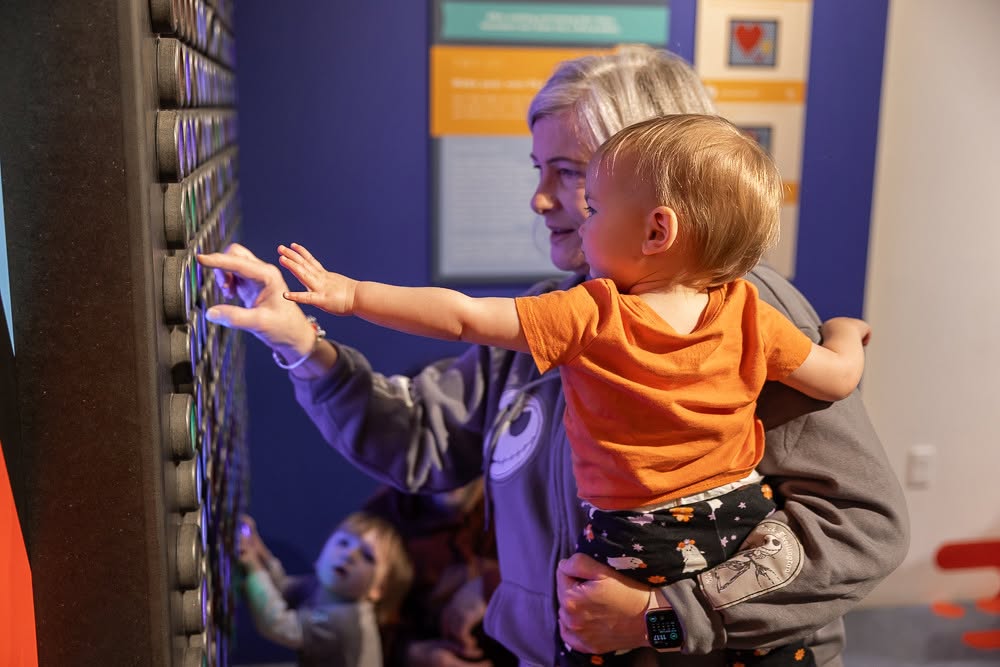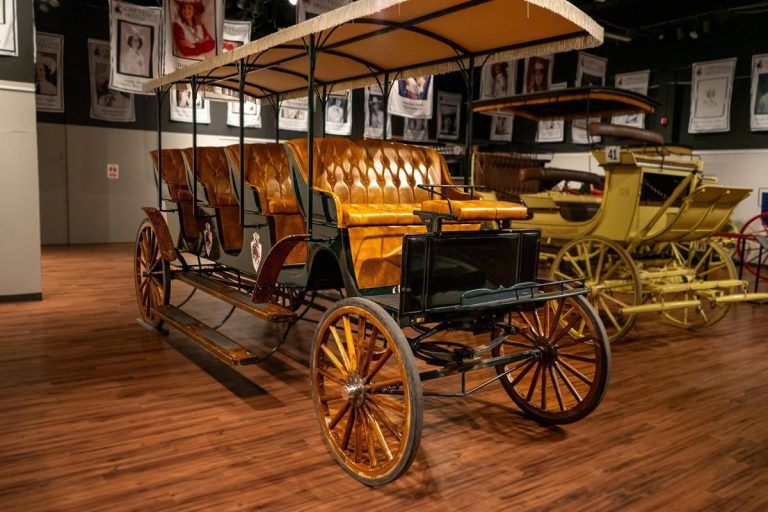
Six floors of artifacts, interactive exhibits and Western Pennsylvania stories turn the Senator John Heinz History Center into an expansive classroom. K–12 groups can examine Pittsburgh’s transformation from frontier settlement to industrial and innovation center while exploring African American history, immigration, invention, sports and regional culture. Museum educators use primary sources, open-ended questions and learner-centered activities to encourage discussion and critical thinking. Guided trips for grades 3–12 include themes such as African American resilience, Pittsburgh innovation and immigrant communities, while self-guided visits are available for all K–12 students. Thanks to the Kamin “Free for Kids” Initiative, standard school field trips are free.
What Students Will Experience
The History Center’s size lets students explore Western Pennsylvania through many lenses in one visit. Exhibits cover industry, innovation, migration, African American history, sports, food, popular culture and everyday life, making it possible for teachers to build a trip around a specific classroom theme or a broader overview.
Guided field trips last 60–90 minutes and use open-ended questions, primary sources and hands-on activities rather than a scripted lecture.
In Beyond Adversity, students explore more than 250 years of African American history in Western Pennsylvania. The tour connects Pittsburgh’s abolition movement and Underground Railroad activity with the city’s jazz history and Negro League baseball teams such as the Homestead Grays and Pittsburgh Crawfords. The goal is not simply to recount hardship, but to emphasize resilience, creativity and community response.
Legacies of Innovation introduces students to influential Pittsburghers including George Westinghouse, Rachel Carson and H.J. Heinz. Learners examine how invention, entrepreneurship, science and problem-solving shaped the region and influenced the wider world. Exhibits may include Pittsburgh: A Tradition of Innovation, Glass: Shattering Notions, From Slavery to Freedom and the Heinz exhibition.
Other guided experiences explore immigration and the many cultural communities that helped build Pittsburgh, while the Franco Harris Sports Museum offers another route into questions about regional identity, race, teamwork, and the social importance of sports.
Schools that want more freedom can choose a self-guided field trip and move through the galleries at their own pace.
Curriculum & Grade-Level Connections
Guided field trips are adaptable for grades 3–12, while self-guided school visits are available for K–12.
Elementary groups can focus on community, invention, local history and the ways people shape places. Middle school students can explore industrialization, immigration, abolition, civil rights and technological change in greater depth.
High school groups can use the same exhibitions for more complex discussions about labor, race, entrepreneurship, urban development and historical memory. Because guided programs focus on discussion and primary sources, they build analytical skills rather than simple fact recall.
The museum also works well across disciplines. STEM teachers can use the innovation exhibitions to discuss engineering and problem-solving. Social studies classes can examine migration, abolition and industrial growth. Language arts teachers can build assignments around personal narratives and primary documents. Sports history can open discussion about segregation, media and community identity.
Teachers with a specific curriculum can arrange custom field trips in collaboration with museum educators. These may include special tour modifications, lesson extensions, workshops or work with the Detre Library & Archives, though customized programs involve additional fees.
Planning Your Visit
Thanks to the Kamin “Free for Kids” Initiative, both guided and self-guided standard field trips are free for K–12 student groups. Custom experiences and special add-ons carry separate fees.
Guided field trips are available Tuesday through Friday year-round, last 60–90 minutes and can accommodate up to 125 students. Self-guided field trips are available Monday through Friday and are limited to 50 students per visit. All school groups larger than 10 students must book at least one month in advance.
Schools must provide at least one adult for every 10 students, and the museum allows up to one adult for every five students without additional adult charges. Extra adults beyond that ratio pay regular admission. One personal aide for each student requiring assistance is admitted free.
For motorcoaches, buses can unload on Smallman Street or in front of the History Center. Free bus parking is available offsite about one mile away, and museum staff provides drivers with parking instructions.
The History Center is fully wheelchair accessible. Galleries can accommodate wheelchairs, accessible restrooms are available on multiple floors and sign-language interpreters can be arranged with at least one week’s notice. Many exhibit videos include closed captioning and induction loops.
Teachers may also request a complimentary preview visit when planning a self-guided trip, which is especially helpful in a six-floor museum where choosing a few focused galleries can make the experience much more manageable for students.