
With over 1,200 years of history and 170 acres of preserved land and scenic trails to explore, the Plum Bayou Mounds Archaeological State Park is a must-see Arkansas field trip destination. Formerly known as the Toltec Mounds Archaeological State Park, this archaeological site holds a rich cultural history that continues to shape the region today. The site was originally discovered over 100 years ago, when they found 18 mounds that were part of the Plum Bayou culture of central Arkansas. Built and occupied between 650 and 1050 AD, it served as a religious, social, and political center.
Although several of the 18 mounds have been destroyed over the years, a few still stand tall, and the site is regarded as the largest and most complex mound site in Arkansas. The Plum Bayou Mounds are a popular field trip destination to teach students the importance of ongoing research and how it continues to shape understanding of the local region.
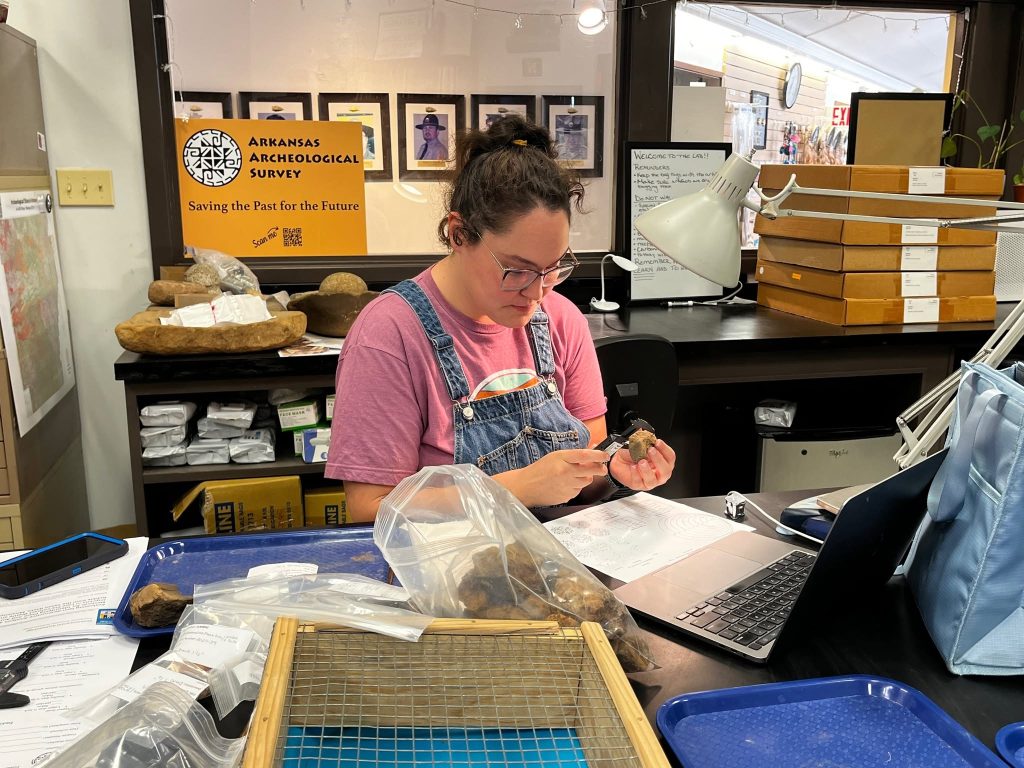
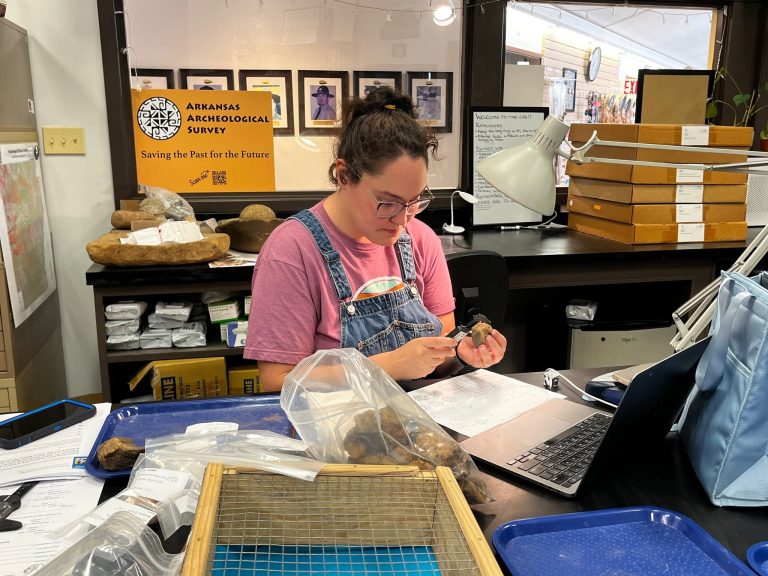
Field trip groups are welcome to explore the monumental earthen mounds for an up-close look at natural history and earth sciences. You can also see professional archaeologists at work as survey staff carry out ongoing research at the site. The park also offers guided tours that provide fun, student-friendly adventures that aim to educate and excite.
History in Nature
Take a walk through one of their nature trails to see the history found throughout the site. Their popular Knapp Trail takes visitors through a one-mile loop of the site. The trail winds past three still-standing mounds, Mound Lake, and wildlife viewing spots for a 45-minute stroll through some of the site’s most scenic spots. Six trail markers encourage visitors to stop and view important landmarks, such as the embankment, the plaza, and the mounds. Be on the lookout for red markers — these mark the locations of former mounds that over the last 150 years were plowed down for farming.
Educational Resources
Utilize their Children’s Guide for a step-by-step walkthrough of their Knapp walking trail, in-depth history on the region, and an overview of the site — all geared towards student education. Additional educational activities and materials are available to educators upon request.
Ensure students receive education and park instructions before a trip. At historical archaeology sites, preserving the area is important to maintaining the site’s history and integrity. Students might be eager to explore in nature, so it is important that they stay on designated walking trails, do not disturb wildlife, and do not climb the historic mounds.
Introduce students to a well-rounded archaeological adventure — where they can investigate stories from the past and the beauty of nature in the present. The Plum Bayou Mounds Archaeological State Park offers a scenic and culturally significant look at local history as students use the great outdoors as their classroom for the day.