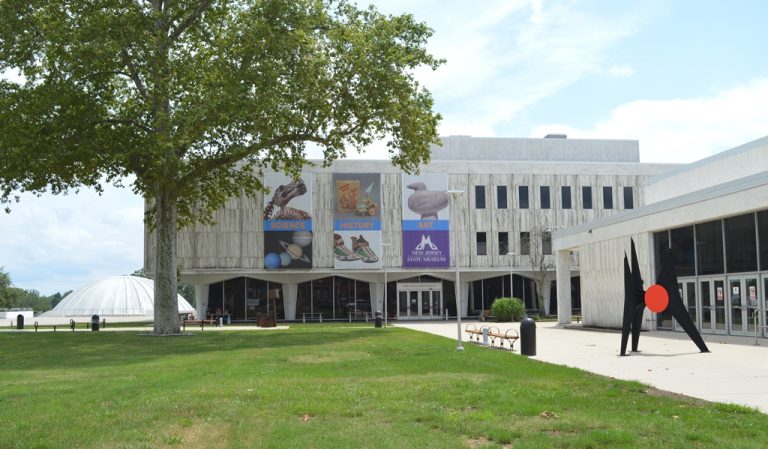
Ancient archaeology, dinosaurs, fine art, Garden State history and the universe come to life at the New Jersey State Museum. Field-trip experiences are organized into four age bands—pre-K–1, grades 2–5, grades 6–8 and grades 9–12—allowing teachers to select developmentally appropriate gallery experiences, workshops and planetarium programs. Students can explore four long-term galleries devoted to history, fine art, archaeology and natural history, supplemented by rotating exhibitions and hands-on educational activities. Middle and high school students can add Ask the Experts career talks, while the museum’s 140-seat planetarium surrounds groups with an ultra-high-resolution 8K projection system for immersive explorations of astronomy, natural history and archaeology.
What Students Will Experience
The New Jersey State Museum lets teachers build a field trip across several disciplines without leaving one building. Students can move from dinosaur fossils and archaeological artifacts to paintings, state history and the night sky, making the museum particularly useful for schools seeking a multidisciplinary experience.
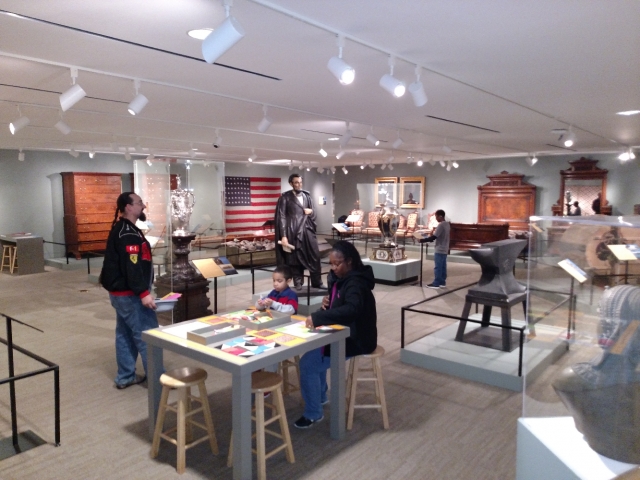
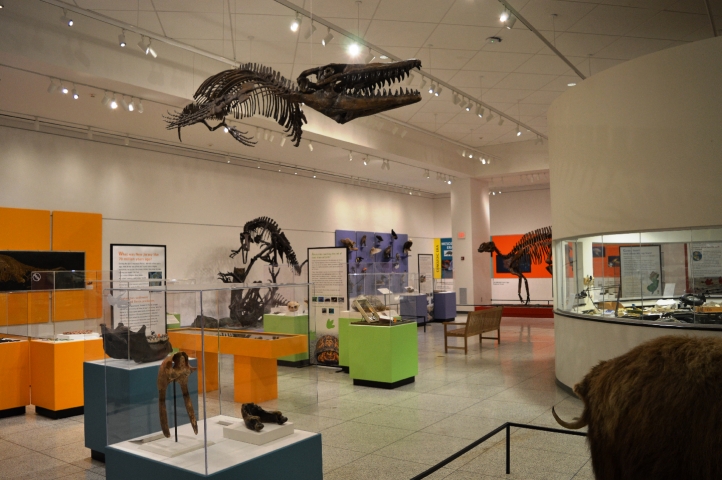
Four long-term galleries anchor the visit: Natural History, Archaeology, Fine Art and History. Gallery exploration is considered a core component of school visits, and the museum provides teacher resources, highlight maps and gallery guides to help students focus their observations. Museum docents are also available in galleries to encourage discussion and meaningful engagement with objects.
Teachers can add hands-on workshops covering topics such as natural history and paleontology, seasons, astronomy, archaeology, history and art. Workshops take place in dedicated classrooms and can accommodate up to 40 students at a time, making them useful for individual classes or rotating larger groups.
The planetarium adds a completely different sensory experience. Its 8K digital projection system fills a 140-seat domed theater, and most programs combine a full-dome film with a live presentation by museum staff. Shows for visitors age 8 and younger are shorter and omit the longer live star-talk format, making them more developmentally appropriate for early learners.
For older learners, Ask the Experts brings students into conversation with museum professionals. Career talks explore how staff members entered their fields, what education and training they pursued and what job opportunities exist, followed by student questions.
Curriculum & Grade-Level Connections
The Museum publishes separate 2026–27 field-trip guides for four developmental bands: Early Learning (pre-K–1), Elementary (grades 2–5), Middle School (grades 6–8) and High School (grades 9–12). This structure makes it easier for teachers to identify workshops and galleries that match students’ academic level.
Early learners can focus on basic observation, seasons, animals, shapes, colors and storytelling through objects. Planetarium presentations for young children are shorter and more accessible.
Elementary groups can investigate fossils, ecosystems, New Jersey history, archaeology and art while practicing evidence-based observation. Middle school students can move into more detailed interpretation of specimens and artifacts and may also benefit from career-oriented museum programming.
High school students can pair gallery study with Ask the Experts Career Talks, creating useful connections to careers in science, history, museum studies and related fields. The Museum’s high school field-trip guide specifically highlights hands-on workshops, planetarium programming, career talks and gallery exploration as complementary components of a visit.
The museum’s breadth is a major advantage for interdisciplinary teaching. One trip can support Earth and space science, biology, history, visual arts and career readiness, while state-focused collections help teachers connect broader academic themes directly with New Jersey.
Planning Your Visit
General museum admission is free, but reserved programs carry modest fees. Teachers and chaperones are admitted free to workshops and Ask the Experts but pay the planetarium fee.
All groups must submit a reservation request—even if they are only exploring the galleries and not booking a paid program. This ensures museum staff can prepare for the group and provide pre-trip information.
Workshops require at least 15 students and can hold up to 40 at a time. Planetarium reservations require at least 15 participants, and each show can accommodate up to 140 people, including students and adults. Large school groups can split across multiple workshops or planetarium shows in the same day.
The museum recommends arriving at least 15 minutes before the first scheduled program, or 30 minutes early for groups larger than 100. Planetarium shows cannot accommodate late arrivals, and groups arriving more than 30 minutes late risk losing the first program without a refund.
Payments are due two weeks in advance unless an approved purchase order is being used. Title I schools and Trenton Public School District schools currently receive a 20% discount on fee-based programs.
Lunch space is available on a first-come, first-served basis in Riverview Court, which seats approximately 60, as well as at outdoor picnic tables and on the front lawn.
Teachers should also prepare for enhanced security procedures, including bag checks and magnetometers. The museum recommends leaving backpacks and large bags on the bus or in vehicles whenever possible.