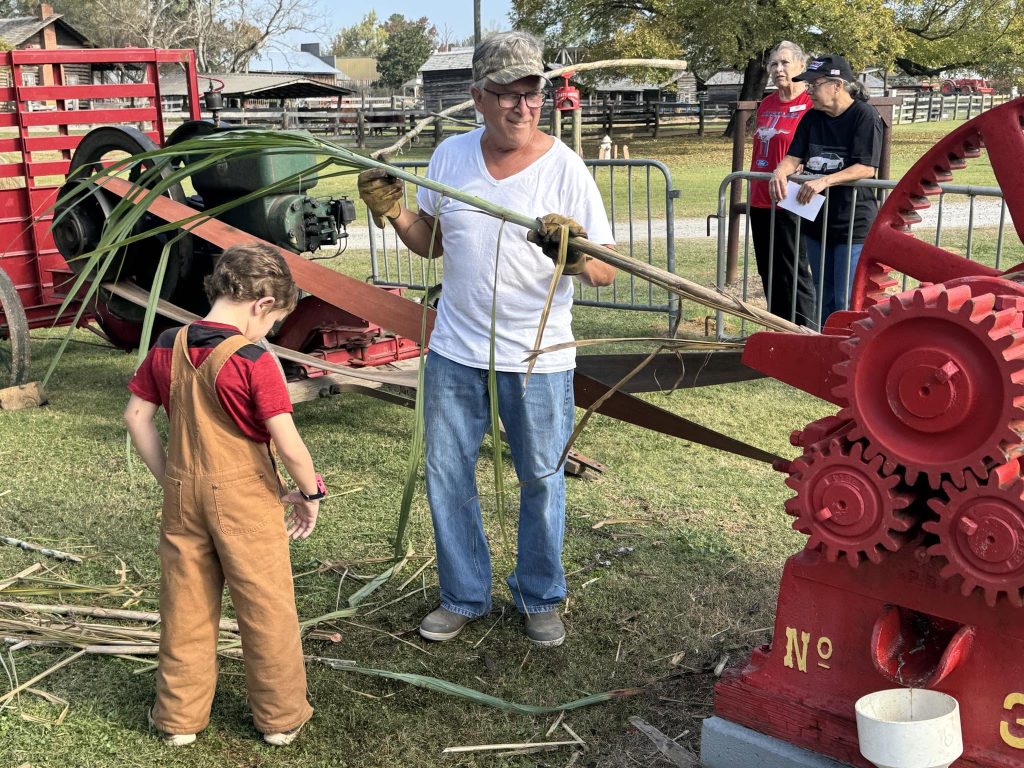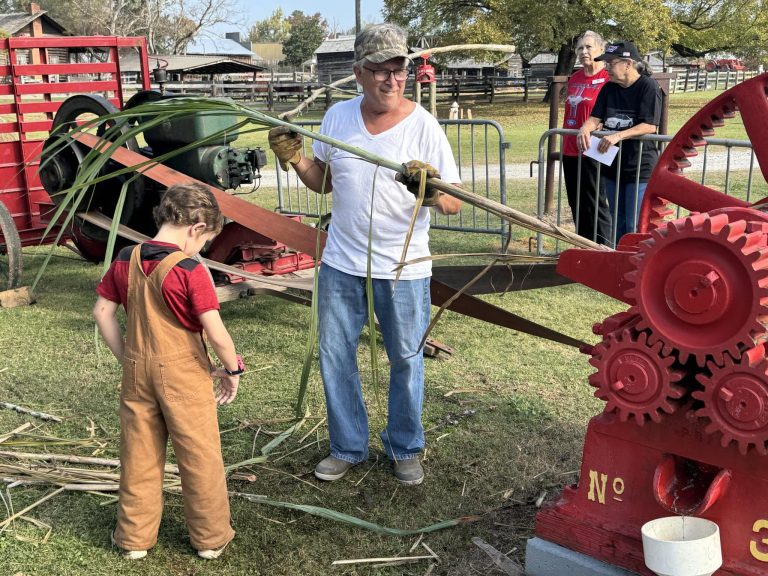

At the Mississippi Agriculture & Forestry Museum in Jackson, students can step into the past and get a closer look at where some of the things they use every day come from. Spread across 40 acres, the museum explores Mississippi’s agricultural, forestry, and rural history through historic buildings, exhibits, artifacts, and hands-on experiences. One highlight is Small Town Mississippi, a collection of authentic historic buildings relocated from around the state that gives students a glimpse of what life was like in a Mississippi community generations ago. The Heritage Gallery also traces the state’s agricultural history, from early farming practices to modern agricultural aviation. With a children’s barnyard, gardens, historic shops and plenty of space to explore, the museum offers a field trip that feels more like an adventure than a typical day in the classroom.
Educational Experiences
Students will have plenty to see and do. Groups can explore the museum’s self-guided exhibits and walk through Small Town Mississippi, where historic buildings and demonstrations bring everyday life from the past into view. Students can see places such as a print shop, blacksmith shop, church and schoolhouse while learning about the skills and businesses that once played important roles in Mississippi communities. The Children’s Barnyard is another favorite for younger visitors, giving students the chance to see farm animals up close. Depending on the timing of a visit, classes may also be able to catch educational demonstrations or programs such as Farm Facts with the farm manager, interpretive programs throughout the grounds and domestic arts demonstrations. Reserve field trips in advance, and the museum recommends allowing at least 90 minutes to explore.
For educators, the museum provides an easy way to connect classroom lessons to real-world experiences. The exhibits can help students understand how agriculture and forestry have shaped Mississippi’s economy, communities and culture over time. Younger students can explore concepts such as farm animals, food and daily life, while older students can dig deeper into agriculture, technology, transportation and changes in rural communities. The museum also offers educational programming throughout the year, including Gallery Chats with the Director of Collections, Farm Facts with the farm manager and interpretive programs at locations throughout the museum. For younger children, Storytime with Uncle Story combines a literary experience with a hands-on activity. The museum also provides downloadable educational resources for teachers and families, so the conversation can continue after the field trip ends.
Immersive Lessons
The museum can also serve as a jumping-off point for lessons in history, science, agriculture, technology and even art. Before visiting, teachers could ask students to think about how food gets from a farm to their kitchen, or what tools people needed to complete everyday jobs before modern technology. During the trip, students could keep a “then and now” worksheet, comparing the buildings, tools and lifestyles they see with their own lives today. The museum’s hands-on programming makes these comparisons especially interesting. Students might watch a traditional craft demonstration, learn about farm animals or see equipment used in Mississippi’s agricultural past. For classrooms studying STEM, the museum can also join a larger conversation about how technology has changed farming and forestry.
The Mississippi Agriculture & Forestry Museum is a great reminder that learning about history does not have to mean sitting quietly and reading from a textbook. Here, students can walk through an old-fashioned Mississippi town, meet farm animals, explore historic buildings and discover how agriculture helped shape the state they live in. This field trip blends education with plenty of opportunities to explore, making it especially appealing for younger students who learn best when they can see and experience things for themselves. With its combination of Mississippi history, hands-on activities and educational programming, the museum offers students a chance to understand the past while making connections to the world around them today.