Reading Between the Lines: Hands-on History at Josiah Henson Museum & Park
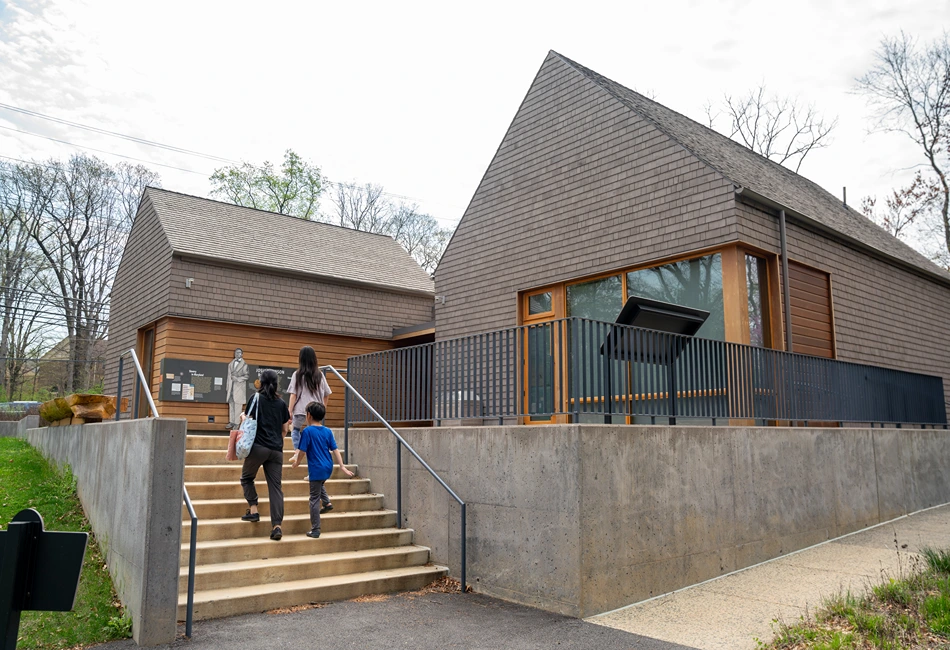
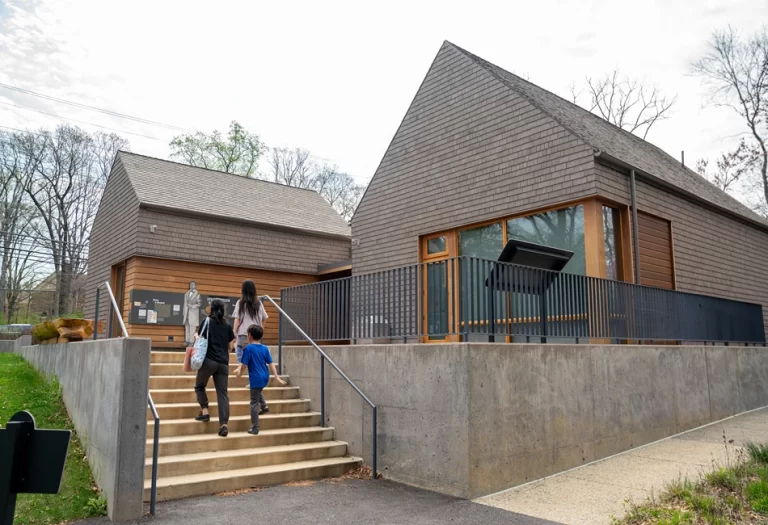
The Maryland Josiah Henson Museum & Park is a living time capsule of Henson’s historic homestead, commemorating his journey from enslavement to leader, author, and minister. The museum offers a balanced, historically informed perspective on his life and the broader context of slavery, resistance, and community, focusing on Henson’s voice and leadership in the Black community. Through rehabilitated buildings, exhibitions of primary documents and artifacts, and interpretive trails, the museum challenges simplistic accounts of history, prompting students to reflect critically on how interpretations of history shape our understanding of slavery and resistance.
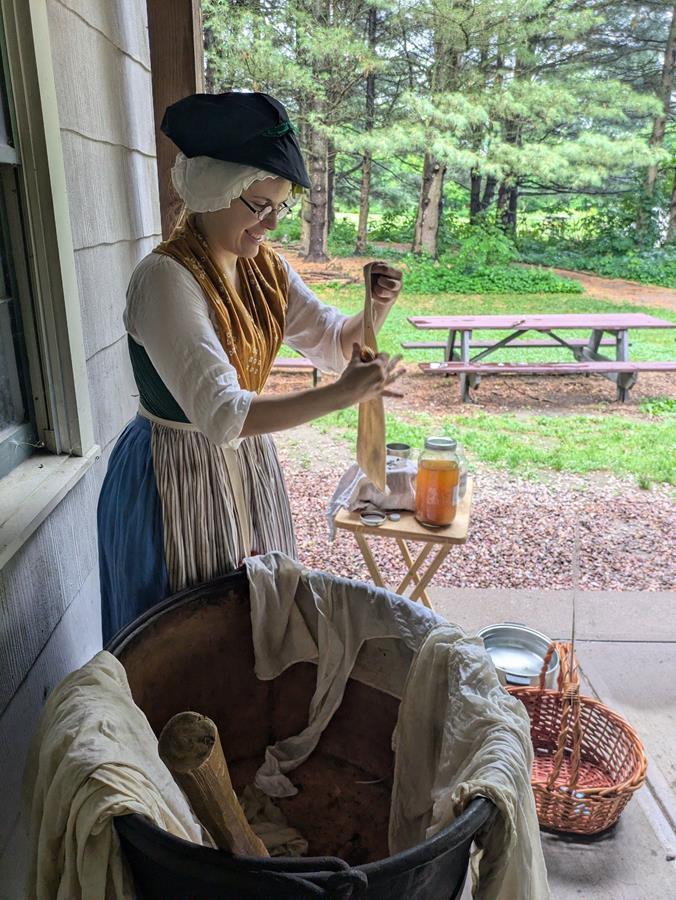
Field trips use primary documents, hands-on activities, and role-centered exercises to prompt critical thinking and historical empathy. Alternatively, off-site “History-in-a-Box” kits and curriculum materials help teachers prepare students before a visit and provide excellent links to a follow-up or review lesson back at school. Programs are intentionally constructed to surface perspectives often omitted from textbooks and to encourage students to analyze evidence, ask challenging questions, and debate historical interpretation.
Located in the Washington, D.C. metropolitan region and accessible by regional transit and short drives from suburban hubs, the Josiah Henson Museum & Park welcomes school groups, scout troops, and adult visitors. Guided components, docent-led conversations, and optional archaeology walks allow groups to tailor the experience to their ages and interests. Visits center on respectful engagement with complex histories and provide structured opportunities for reflection, discussion, and civic connection.
The Josiah Henson Museum & Park goes beyond the textbook to give educators and students a chance to explore complexity, trace historical continuities, and connect Henson’s life to contemporary discussions of representation, memory, and justice by elevating underrepresented voices in popular narratives. Students will find themselves more interested in history through gaining an understanding of how the representation of historically underrepresented viewpoints shapes our present knowledge.