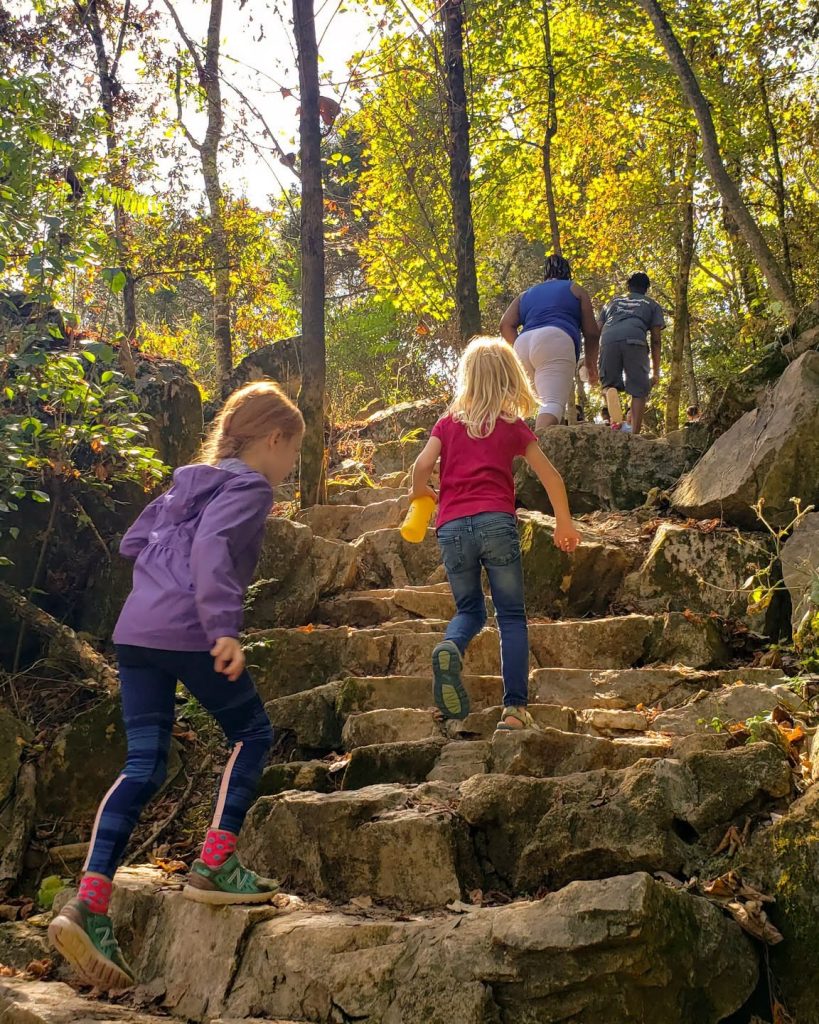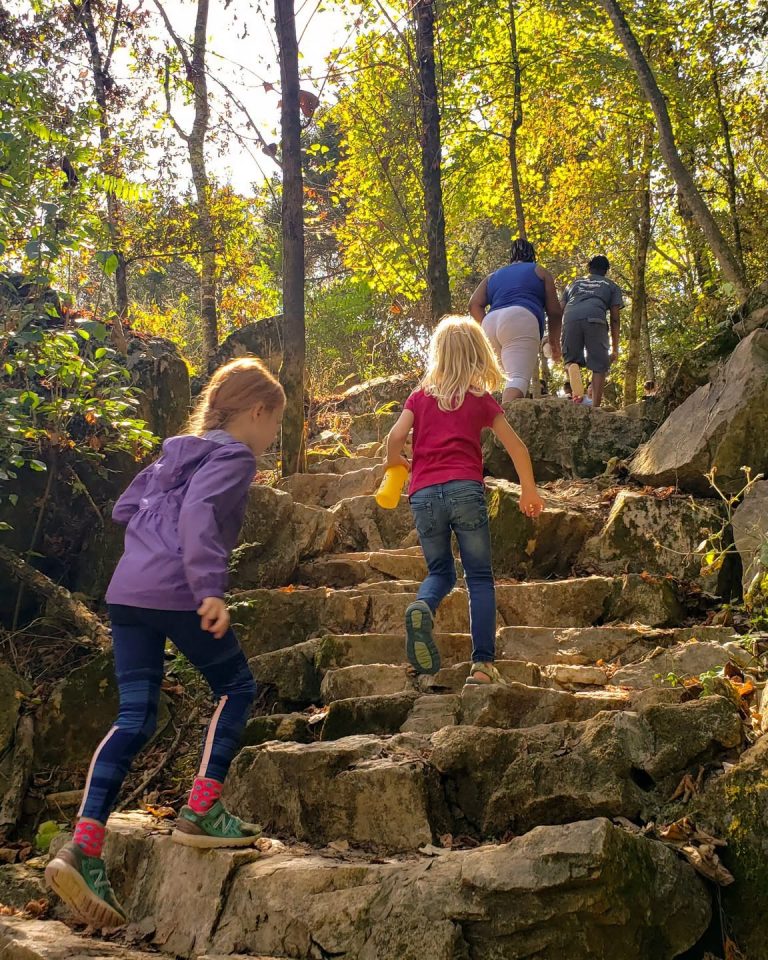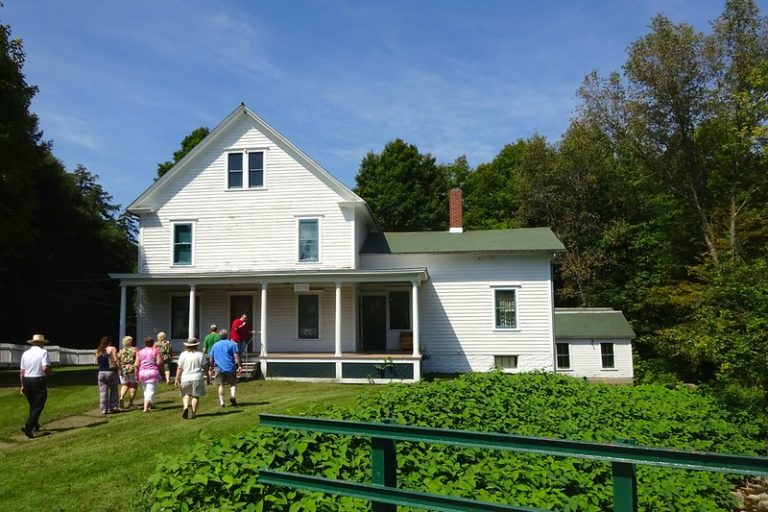

Ijams Nature Center in Knoxville is the kind of field trip where the classroom door gets left behind, and the natural world becomes the lesson. With trails, streams, forests, and plenty of opportunities to investigate local wildlife, Ijams gives students a chance to learn by exploring instead of sitting still. Its field trips use hands-on, inquiry-based activities to build curiosity, help students understand their surroundings, and connect what they learn in school with what happens outside. Programs can also be tailored to a teacher’s curriculum and Tennessee Academic Standards.
Field Trip Experiences
A typical field trip starts with a short welcome before students head outside for a hike and themed activities. The experience usually wraps up with an animal ambassador presentation featuring two animals, followed by lunch or departure. The exact schedule can be adjusted based on the group, weather, and time available. For younger students, Sense of Wonder encourages them to explore nature using their five senses, while older students can investigate ecosystems, watersheds, geology, animal adaptations, and more. In other words, there is plenty to do besides “go for a walk in the woods.”
What Students Can Learn
For educators, Ijams offers a particularly strong variety of programs. Ecosystem Exploration has students investigate producers, consumers, decomposers, food webs, and biodiversity. Watershed Investigations gets students dip-netting in local streams to discover aquatic organisms and learn how bioindicators can reveal the health of an ecosystem. Nature’s Recyclers looks at decomposition, soil health and the organisms that help recycle nutrients. For students in grades 4–12, Journey Through Geology explores rocks, minerals, erosion, weathering and plate tectonics. There is even a new high-school program, Conservation in Flight, that introduces students to birding, bird banding and real-world conservation research.
Hands-On Programming
Plenty of ways exist to prepare students before they arrive and keep the learning going afterward. A class studying ecosystems could create a food web and then look for evidence of those relationships during the hike. Students learning about water could predict what kinds of organisms they might find in a stream and discuss what those organisms can tell scientists about water quality. Younger students could keep a simple nature journal, drawing something they see, hear, or touch. Older students could research a local species, investigate human impacts on ecosystems, or explore careers in wildlife biology and conservation. Ijams also offers outreach programs that bring educators and even animal ambassadors directly to schools, which is a great option when a full field trip isn’t possible.
Ijams Nature Center is a great field-trip choice for teachers who want students to experience science rather than hear about it. Kids can get their hands dirty, look closely at their surroundings, test ideas, and interact with the environment in ways that are difficult to recreate in a classroom. The center also makes outdoor learning accessible across grade levels, from preschoolers discovering nature through their senses to high school students collecting real conservation data. With its mix of hiking, hands-on investigations, and animal encounters, Ijams turns a day outside into an experience students are likely to remember long after they return to school.