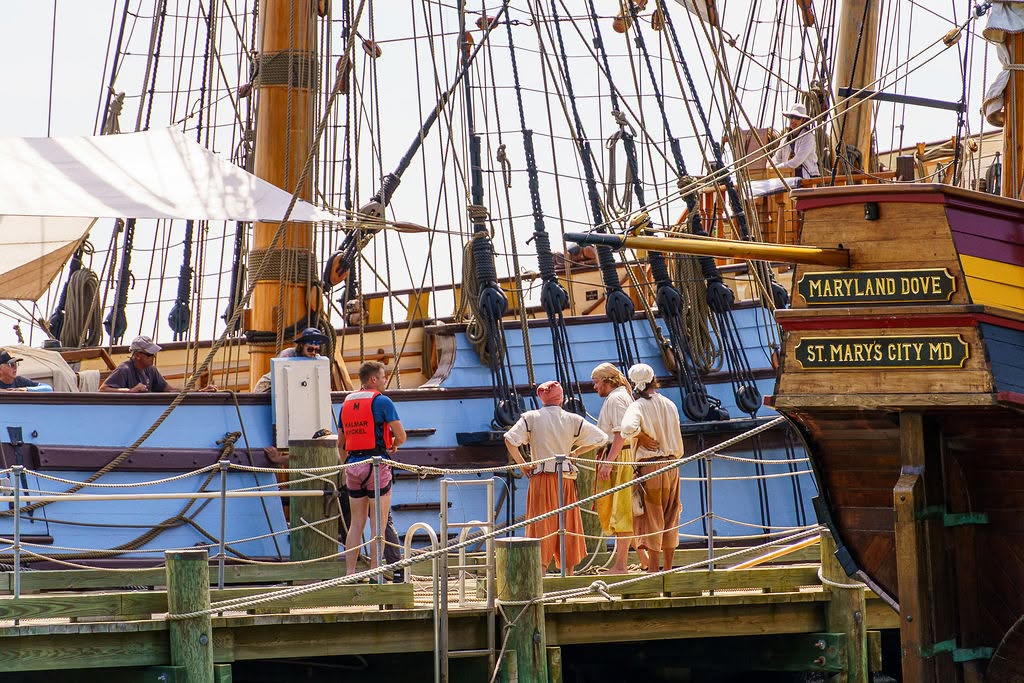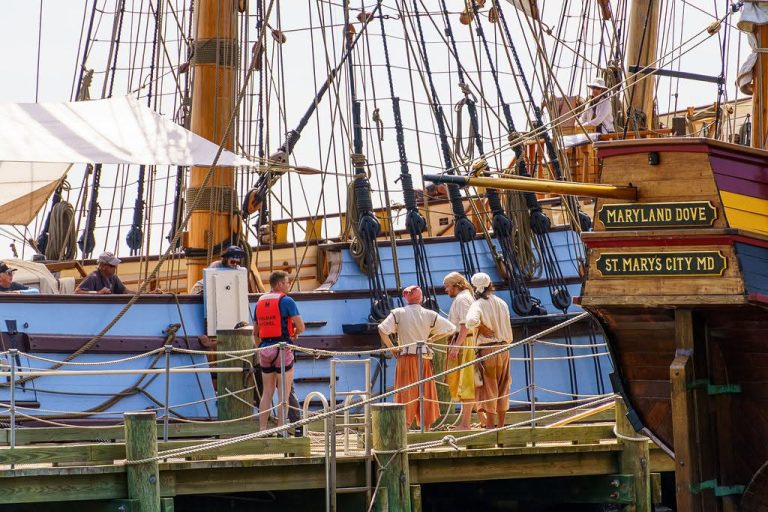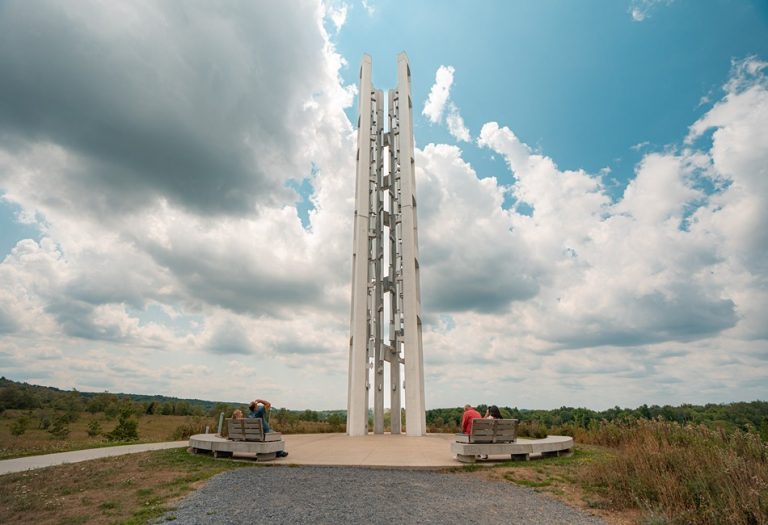
Stroll through an extraordinary outdoor museum where history surrounds students at Historic St. Mary’s City. Designated a National Historical Landmark, this archaeological site introduces learners to 17th-century Maryland through reconstructed buildings, historic landscapes, artifacts and interpretation.
School programs align with Maryland standards for pre-K through grade 12, allowing content to grow in complexity with student age. Groups can explore a Woodland Indian Hamlet, colonial Town Center, plantation landscape and waterfront while considering Indigenous life, colonization, religion, commerce and the experiences of free and enslaved people. Archaeology and historical evidence play a central role, helping students discover how scholars reconstruct lives from the past.
What Students Will Experience
Historic St. Mary’s City feels less like a conventional museum and more like an entire historic landscape. Students move among reconstructed structures, archaeological sites and outdoor environments representing Maryland’s first capital and the communities that lived there.
Programs encourage students to investigate the past through physical spaces and evidence. At the Woodland Indian Hamlet, learners can explore Indigenous life in the Chesapeake region and consider housing, foodways, technologies and relationships with the environment. In the colonial Town Center, students encounter Maryland’s early political, religious and commercial development. Plantation and waterfront areas deepen the story by introducing agriculture, labor, trade and Atlantic connections.
Archaeology is one of the site’s distinguishing features. Students can learn how excavated artifacts, documents and reconstructed environments are used together to answer historical questions. High school students can participate in Puss in Boots, a two-hour program for grades 9–12 that uses the plantation setting to examine historical and archaeological sources and the methods scholars use to piece together the past.
The museum also offers outreach programs. Mother Goose Rhyme Time, for pre-K and kindergarten, introduces history through familiar rhymes, movement and interactive storytelling. The Woodland Indian Experience, available for grades 3–5, provides a focused look at Indigenous life and is offered as an outreach program during winter months.
Curriculum & Grade-Level Connections
Historic St. Mary’s City specifically aligns school programming with Maryland State Common Core Content Standards and Essential Skills for students from pre-K through grade 12.
Young students can begin with community, daily life, storytelling and comparisons between past and present. Elementary learners can investigate Indigenous cultures, colonial settlement, food, work and transportation. Middle school students are ready for deeper exploration of religion, economics, government, enslavement and cultural contact.
High school classes can use the site to address themes from AP U.S. History, including migration, work, politics, culture and colonial development. The Puss in Boots program, for instance, connects explicitly to APUSH Period 2 concepts about English colonial society between 1607 and 1754.
The site’s emphasis on archaeology also supports historical-thinking skills across grade levels. Students learn that history is interpreted from evidence rather than simply inherited as a finished narrative. Teachers can use this idea to discuss primary versus secondary sources, evidence reliability, historical gaps and changing interpretations.
Historic St. Mary’s City also provides teacher resources covering topics such as Maryland’s first capital, trade and travel, and the Woodland Indians of Southern Maryland. Virtual programming and accompanying lesson plans can extend a visit into the classroom.
Planning Your Visit
Onsite tours are generally available Tuesday through Saturday during spring, summer and fall. Teachers can submit reservation requests online or book through the museum’s group-tour staff.
Groups should arrive about 15 minutes before their scheduled program. Late arrivals of 20 minutes or more may result in shortened tours, an important consideration for schools traveling long distances. Payment is due in full on the day of the visit unless alternate arrangements have been made.
One unusual but important logistical detail is transportation within the site: groups need their vehicles throughout the visit because buses or other vehicles may transport students between historical areas. Schools contracting a motorcoach should make sure the driver understands this requirement before arrival.
Tours proceed rain or shine, so students need comfortable walking shoes and weather-appropriate clothing. Severe weather may close the waterfront or the Maryland Dove. Outdoor picnic tables are available on a first-come, first-served basis.
The museum does not mandate a specific student-to-chaperone ratio or cap the number of chaperones, though adults must remain with their groups and assist staff with supervision.
Most areas are wheelchair- and stroller-accessible, although the main house at the Godiah Spray Tobacco Plantation and the second floor of the State House are not. Alternate text and images are available for inaccessible spaces, and the main deck of the Maryland Dove is ADA-compliant. The museum can also provide a social narrative in advance for students who benefit from knowing what to expect during a visit.