History Through Music
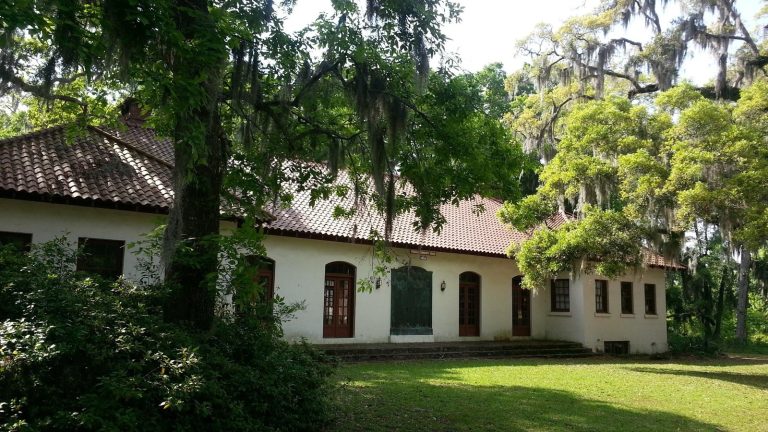
Music becomes a gateway into African American history at Historic Riverlands in Reserve, where the Soul River Musical Journey invites students to explore centuries of cultural change through the sounds created, preserved and transformed by Black communities. Located on 4.5 acres of the former Cornland Plantation, Historic Riverlands is dedicated to preserving and interpreting African American history in Louisiana’s River Parishes and is included on the Louisiana African American Heritage Trail.
The site offers an especially useful complement to plantation field trips because its interpretation moves the historical conversation beyond slavery and into the lives of African Americans after emancipation. Historic Riverlands’ tours examine perseverance, faith, segregation, creativity and community while helping students understand that African American history in the River Parishes did not end with the Civil War.
Student Programming
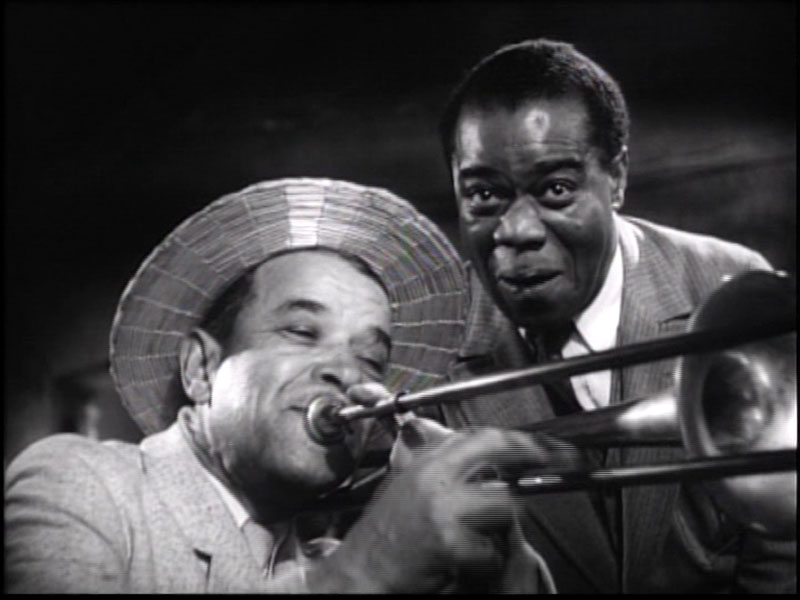
The Soul River Musical Journey traces African American influence on music from African musical traditions and the call-and-response traditions of enslaved people through genres that include jazz, zydeco, blues, gospel, soul, R&B, rock ’n’ roll and contemporary music. Instead of treating those genres simply as entertainment, the experience connects them to historical periods and the people who created them.
The approximately 60-minute experience includes a narrated tour, film presentation, music-listening station and live musical performance, giving educators several modes of learning within one visit. For auditory and experiential learners in particular, the format can make social history more immediate than a conventional museum visit.
Educational Opportunities
For teachers, the educational possibilities span music, U.S. history, African American history, social studies and cultural studies. Students might listen for call-and-response patterns, compare gospel and blues traditions, investigate the origins of jazz or trace how musical genres moved from Black communities into mainstream American culture.
Older students can consider larger questions about cultural exchange and appropriation, segregation within the entertainment industry and the role musicians played in reflecting or challenging social conditions.
The site itself deepens those lessons. Historic Riverlands preserves the former Our Lady of Grace Catholic Church, built in 1936 for African American Catholics during segregation. Historic Riverlands also offers a separate Historic Church Tour focused on African American Catholic life and the Jim Crow era. Teachers building a larger River Parishes itinerary could therefore connect the musical program with lessons about segregation, religious life, community institutions and the ways Black communities created spaces of their own during Jim Crow.
Grade-Level Fit
Historic Riverlands does not currently publish formal K–12 grade bands for the Soul River Musical Journey, so teachers should discuss their group’s age and curricular goals when arranging a visit. Its subject matter, however, lends itself particularly well to upper-elementary through high school groups, with the depth of discussion adjusted appropriately.
Younger students can focus on identifying genres, instruments, rhythms and the idea of music as storytelling. Middle school groups can connect musical developments with Reconstruction, segregation and changing American society. High school students can examine music alongside the Civil Rights Movement, racial inequality, cultural identity and the continuing influence of African American artists.
Educators can also prepare students by assigning a genre or musician for pre-trip research and then asking them to identify historical connections during the experience. Afterward, students might construct a musical timeline, compare two genres or choose a song and analyze what it reveals about the era in which it emerged.
The result is a field trip that encourages students to hear history rather than simply read about it.