
Heritage Farm Museum & Village in Huntington, West Virginia, gives students a chance to step into Appalachian history instead of simply reading about it. Set on a historic farm, Heritage Farm uses museums, historic buildings, artisans, and reenactors to show students what life was like for people living and working in Appalachia. The experience brings together history, agriculture, culture and science in a setting where students can actually see many of the things they are learning about. The farm describes its school programs as living-history experiences, with facilitators and reenactors helping make the past feel active and approachable.
Unique Field Trips
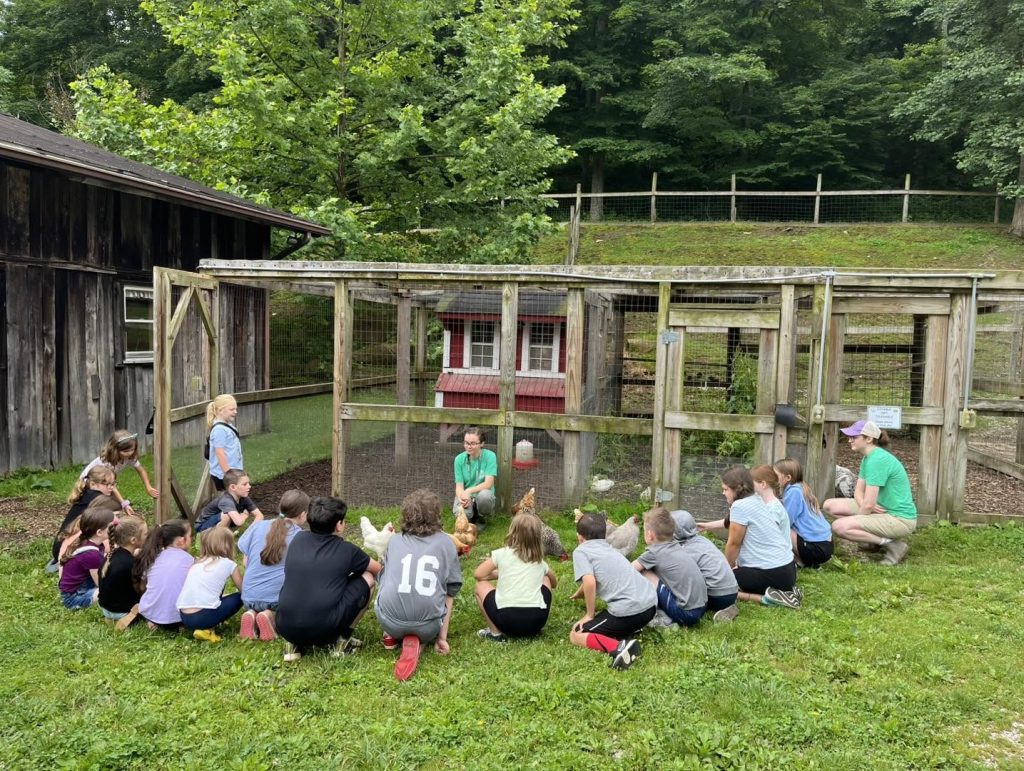
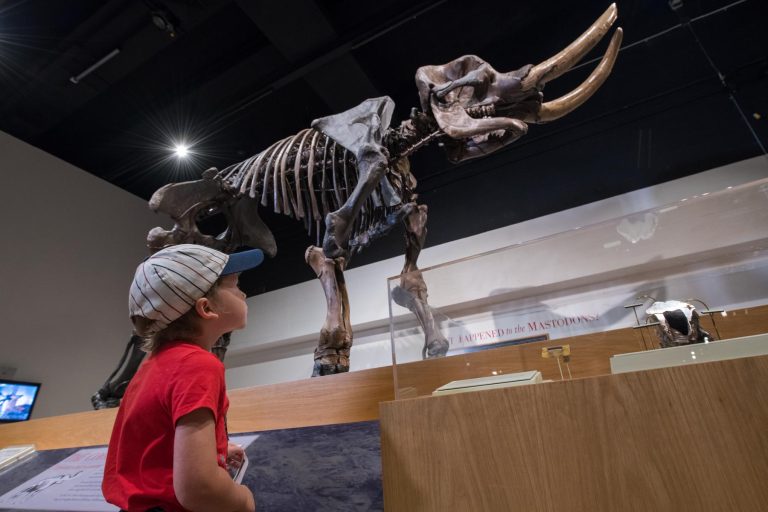
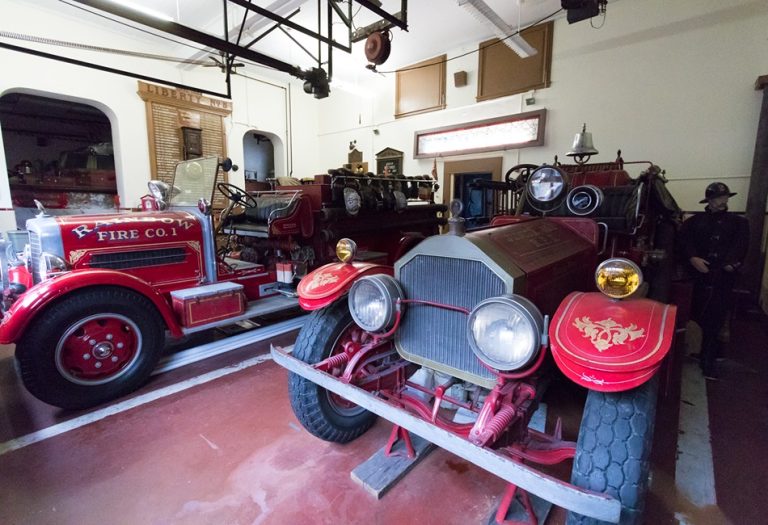
School groups can choose from guided tours and hands-on activities that explore different parts of Appalachian life. Students can visit the farm’s museums and historic village while learning about agriculture, local history, wildlife, and traditional skills. Depending on the program, students may explore subjects such as coal mining, early Appalachian settlements, medicine, a one-room schoolhouse, or the science behind blacksmithing. The farm also has an Industry Museum that explores industries including salt mining, coal mining, and glass production. These experiences give students plenty to see, and plenty of opportunities to understand how people lived, worked, and built communities.
Immersive History
For educators, Heritage Farm offers a helpful collection of downloadable lesson plans to use before or after a visit. Topics include Native Americans in Western Virginia, the American Revolution, the Civil War, West Virginia statehood, coal and the labor movement, European exploration and settlement, and settling in Appalachia. Lessons also cover everyday life, including early Appalachian medicine and the one-room schoolhouse. Teachers can schedule a school visit directly with the farm, and private tour days let groups rotate through several instructional stations, with 15 to 20 minutes of learning at each stop.
What Students Can Experience
There are plenty of ways to turn a Heritage Farm visit into a larger classroom lesson. Before the trip, students could learn about one aspect of Appalachian life and make a list of things they want to find during their visit. A class studying West Virginia history could create a timeline leading up to statehood, while students learning about coal could explore how the industry affected Appalachian communities. Younger students could compare a one-room schoolhouse with their own classroom or learn about how families grew and prepared food in the past. Afterward, students could write about an activity they experienced, create a model of a historic building, or research a traditional Appalachian craft. The farm also offers virtual tours for groups that cannot visit in person.
Heritage Farm Museum & Village is a great field-trip choice for teachers who want students to experience Appalachian culture hands-on. The combination of museums, historic buildings, animals, demonstrations, and educational programs gives students several ways to connect with the past. Instead of only looking at photographs or reading descriptions, they can walk through historic spaces, learn about traditional skills, and see how different industries shaped West Virginia. With programs covering everything from coal mining and the Civil War to farming and early education, Heritage Farm gives students a field trip that feels active, personal, and connected to the history around them.