
Discovery Park of America in Union City, Tennessee, offers a field trip where students can spend the day bouncing between science, history, technology, art, and the natural world without feeling stuck in a traditional museum. The 100,000-square-foot Discovery Center is filled with interactive galleries, while the 50-acre heritage park takes the learning outdoors. The result is a field trip that fits into almost any classroom, from kindergarten through continuing education, while encouraging students to be curious, creative, and willing to figure things out for themselves.
Immersive Learning Opportunities
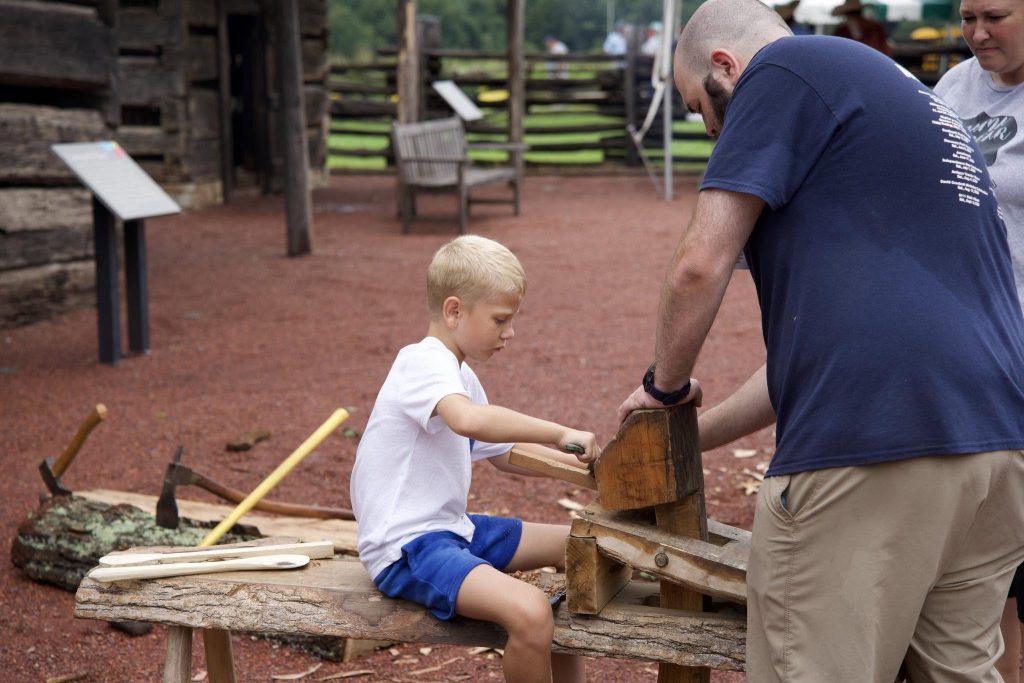
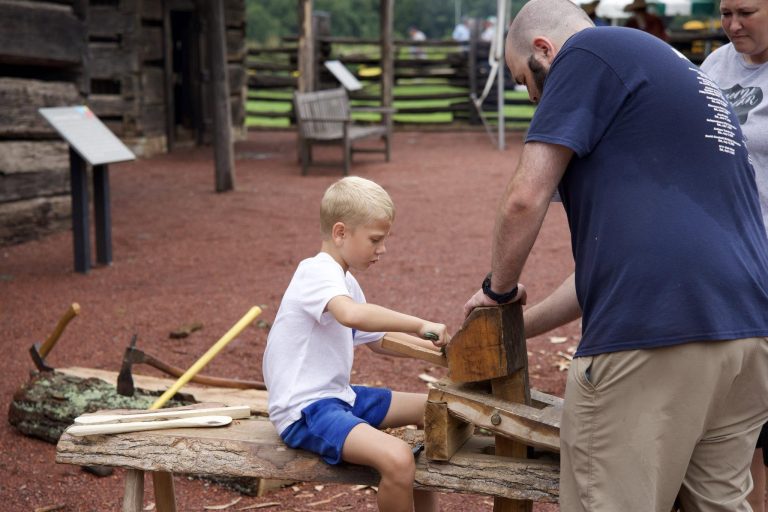
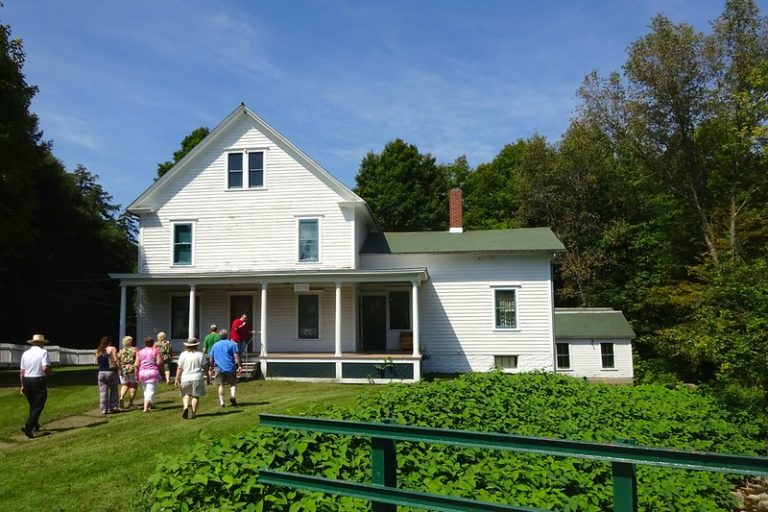
Students have plenty of opportunities to get involved instead of walking around and looking at exhibits. Discovery Park offers curriculum- and educator-led programs for elementary, middle, and high school students, with lessons built around subjects such as STEM, history, technology, and culture. A class might explore engineering concepts, investigate science through hands-on activities, or learn about regional history and Native American culture. The outdoor heritage park adds another layer to the experience, giving students room to explore exhibits and historical elements outside the Discovery Center.
Affordable Field Trip Options
For educators, one of Discovery Park’s biggest advantages is its flexibility. Teachers can work with the education department to build a visit around their students’ needs, and add educational lessons to a field trip for $1 per student. School groups can arrive as early as 9:30 a.m. on weekdays, and teachers, administrators, school nurses, and bus drivers receive free admission with school identification. Discovery Park also offers the Kirkland Scholarship Fund, which provides free general admission, one educational lesson, and lunchroom rental to qualifying schools with at least 50% of students receiving reduced-price lunch or participating in the Community Eligibility Provision.
Educational Experiences
There are plenty of ways to extend the experience beyond the field trip itself. Before visiting, teachers could have students choose a gallery or topic that interests them most and create a few questions they want to answer. Afterward, students could design their own invention, write about an artifact that caught their attention, create a timeline based on something they learned in the heritage park, or work together on a STEM challenge inspired by one of the museum’s exhibits. Discovery Park also offers homeschool programming and has hosted virtual field-trip experiences, giving educators additional ways to bring its hands-on approach into learning outside a traditional visit.
Discovery Park of America is a great choice for teachers who want one field trip to cover a little bit of everything. Students can experiment with science, explore history, learn about technology and culture, and then head outside to continue exploring all in the same day. With interactive exhibits, a large outdoor heritage park, and educational programs designed for different age groups, students have plenty of room to follow their curiosity.