
At Cape Fear Museum in Wilmington, students can explore both science and history, along with plenty of hands-on learning activities. The museum’s new Grace Street location brings the history, science, and natural environment of the Cape Fear region together through interactive exhibits and educational programs. Students can explore the stories of the people and communities that shaped the area, investigate scientific concepts, learn about the natural world, and even look up at the stars in the museum’s planetarium. The museum offers field-trip experiences for students from pre-K through 12th grade, with programs designed to connect directly to the North Carolina Standard Course of Study. Students can walk in with curiosity and leave with a whole new set of questions about the world around them.
Educational Experiences
Students have a lot to explore, and the experience can look different depending on their age. All field trips include time for students to explore the museum’s exhibits, which typically takes about two hours. Classes can also add an educational program or planetarium experience to their visit. Younger students can meet prehistoric giants such as megalodon, mammoths, and mosasaurs through the Carolina Giants program, or tackle building and design challenges in Cape Fear Engineering. Older elementary students can investigate the movements of the Earth, Sun, and Moon through Solar System Connections or learn about the people and traditions that shaped the Cape Fear region through People of the Cape Fear. For students in fourth through ninth grade, BotLab introduces block-based coding as teams design and program LEGO robots. Older students can even enjoy a planetarium experience that explores the past, present, and future of the American South.
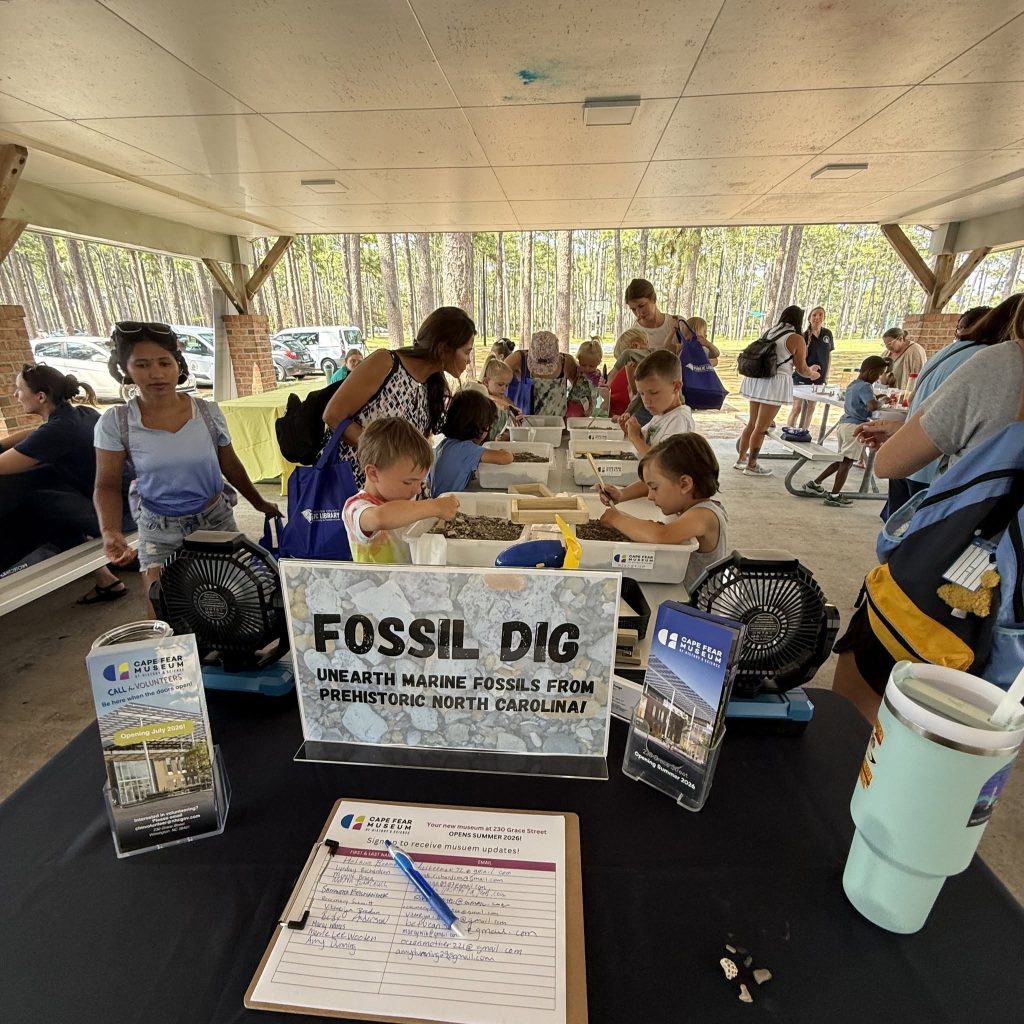
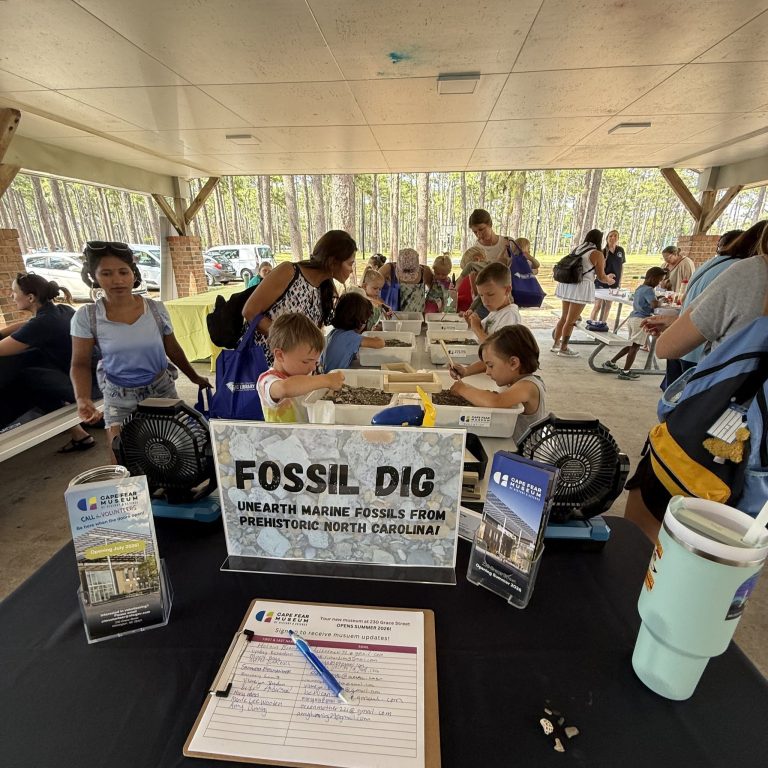
Hands-On Programs
For educators, Cape Fear Museum makes it easy to turn a fun day out into an extension of classroom learning. The field-trip programs connect directly to North Carolina curriculum standards, with options available across a wide range of grade levels. Teachers can choose experiences based on what their students are already learning, whether that is life science, physical science, history, engineering, coding, or astronomy. The museum also offers both self-guided exploration and structured programs, so teachers have some flexibility in how they plan their day. Field trips and group visits are available Monday through Friday in morning and afternoon time slots, and educational programs require at least 10 students. Teachers should plan and complete the museum’s inquiry form before visiting, since the trip isn’t officially scheduled until the museum confirms the details.
Follow-Up Activities
The museum also gives teachers plenty of opportunities to keep the learning going after students return to school. A class could visit the Carolina Giants program and then create its own prehistoric creature based on what students learned about adaptations and fossils. Students participating in BotLab could continue exploring coding by designing their own simple robot challenge in the classroom. A history class could use People of the Cape Fear as a starting point to research the different communities, traditions, and people that have shaped Wilmington and the surrounding region. Even the planetarium programs can inspire follow-up activities, such as creating solar system models or tracking the Moon’s changing phases. Because the museum covers such a wide range of topics, teachers can easily turn one field trip into several different classroom lessons.
New Campus Experience
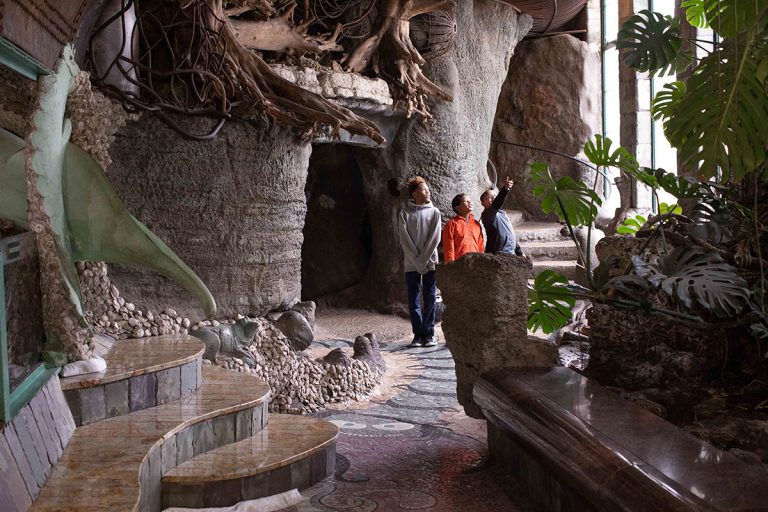
Cape Fear Museum is the kind of field trip that gives students plenty of room to be curious. One minute they might be learning about a prehistoric creature, and the next they could be programming a robot, exploring local history, or looking at the night sky. The new Grace Street campus was designed around that mix of discovery, with spaces such as Cape Fear Stories, Science Matters, Curious Nature, Port City Play, and the nCino Planetarium. With programs ranging from pre-K through high school, there is something for almost every age and interest. For North Carolina teachers looking for a field trip that blends education with exploration, Cape Fear Museum is an easy addition to the list.