Independence
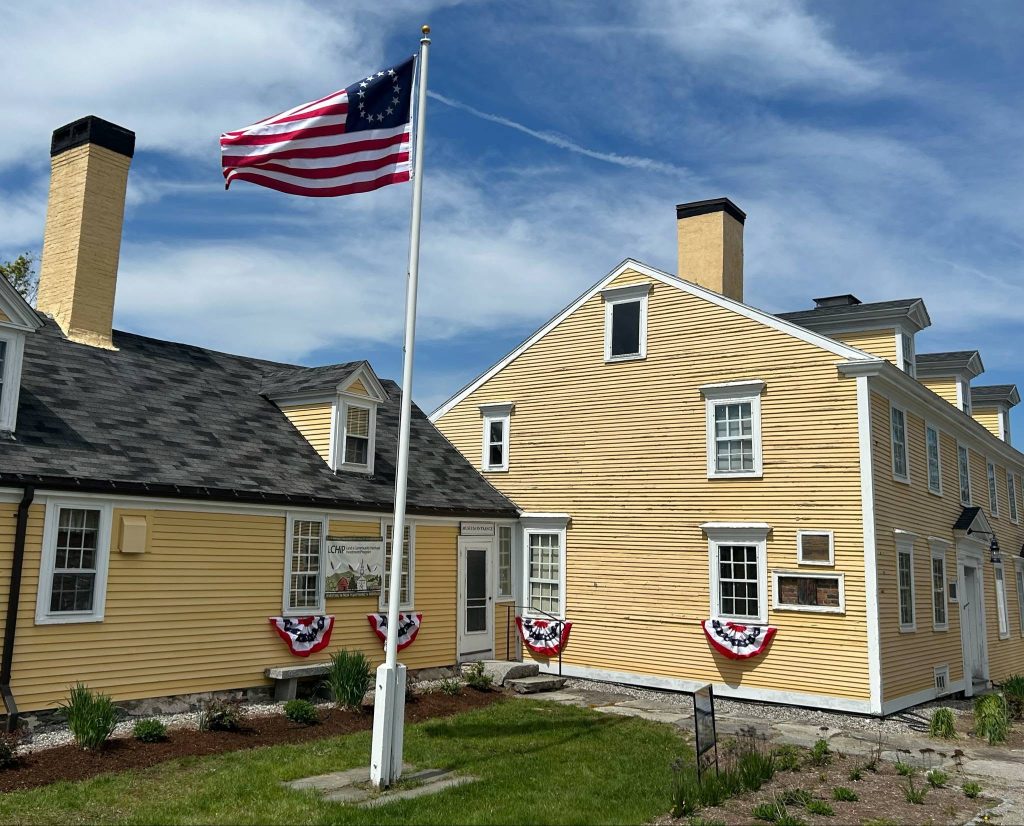
Students who visit the American Independence Center will learn about the revolutionary American fight for independence through localized perspectives. Tours through the Center are split between the Ladd-Gilman house and Folson Tavern and overall take a minimum of two hours to go through.
The American Independence Center is committed to teaching about independence as a concept. While much of the center’s educational exhibits focus on the historical and revolutionary meaning of independence, the Center does not want to shy away from the concept of independence still being something that must be fought for others and to be maintained.
Not everybody was free or equal to enjoy American independence after 1776, and this is something that the Center strive to remind its visitors of so that the work to continue making a better life for all might be perused with more gusto.
Revolutionary Perspectives
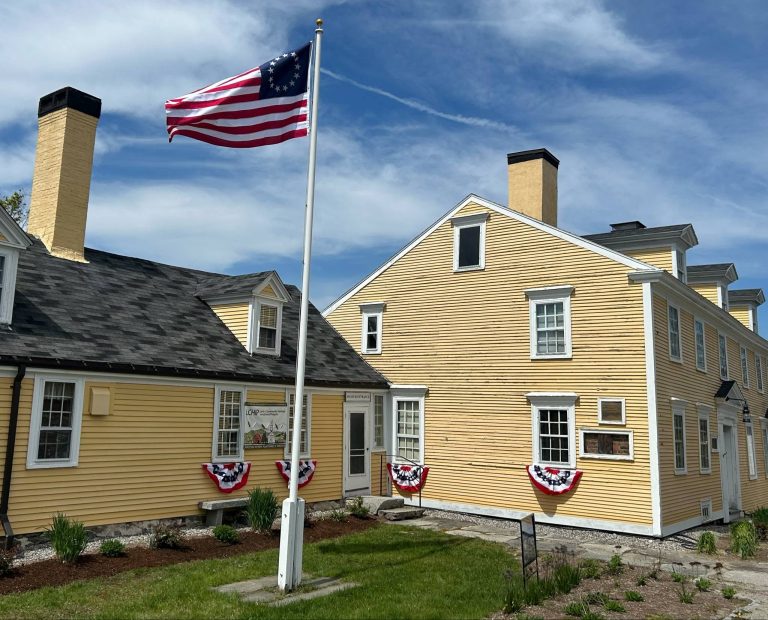
The American Independence Center is made up of two historic buildings in Exeter, New Hampshire; the Ladd-Gilman house and Folson Tavern. The Center hosts several different events between these two locations as well as turning both buildings into entire historical exhibits.
In the Ladd-Gilman House students will learn about moments in early American History through the perspective of those living in New Hampshire at the time. See artifacts and exhibits that give voice to those that were far enough off the pages of history books they are not often included in the larger narrative of American revolutionary history.
In Folson Tavern, the focus shifts to the role of taverns in early American history. Stepping inside, visitors are encouraged to live back in time, playing tavern games and sitting among the tables as if they are actual patrons of the tavern. Here the role of taverns as gathering places and social necessities meant that eventually taverns like Folson became important to the revolution in their own way. Students also learn about the people that would have worked and frequented taverns like Folson and Folson itself.
Classroom Politics
For an introduction to revolutionary history or as perspective shift. The American Independence Center acts as a great way to get out of the classroom and get young brains thinking about the revolution in a more localized idea. Yes, a person’s country is important, but when your state legacy is as stunning as being one of the first to declare independence from the British throne, there’s significance in being able to localize more about revolutionary history.
Students also gain the opportunity to see how big movements start out small, people gather at taverns and complain, consensuses are reached, community is formed and directed toward specific goals. In the very scattered present day that seems to prize furthering people into isolating lives the American Independence Center teaches the importance of a community that fights for the same goals.