Exploring Cultures
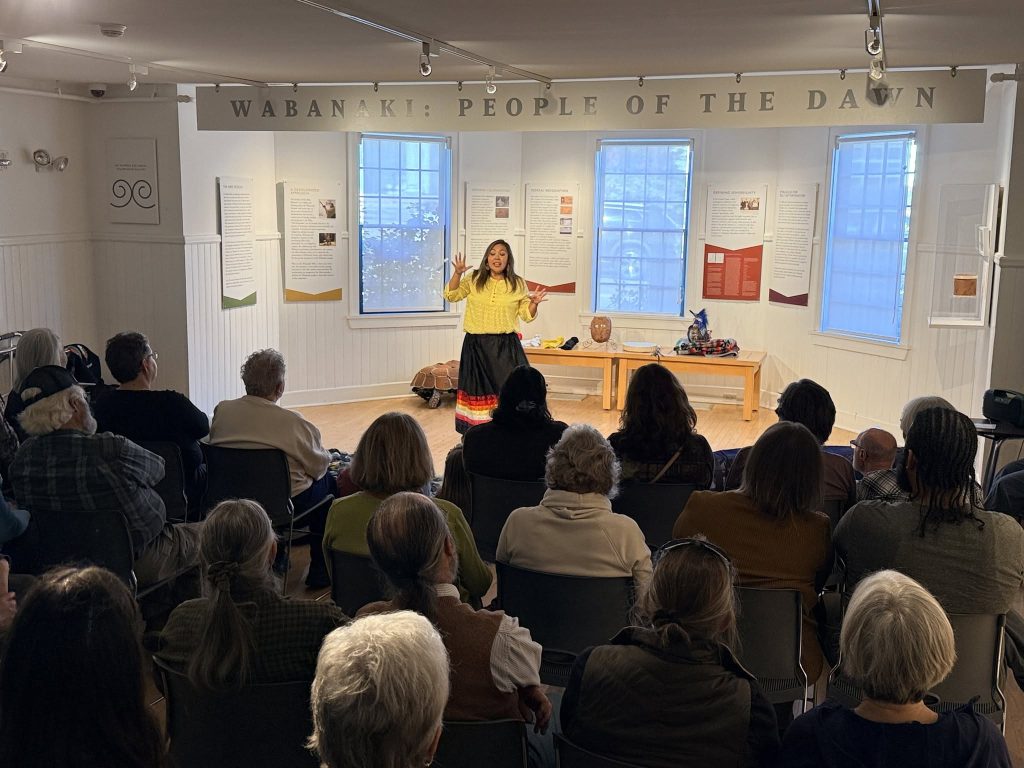
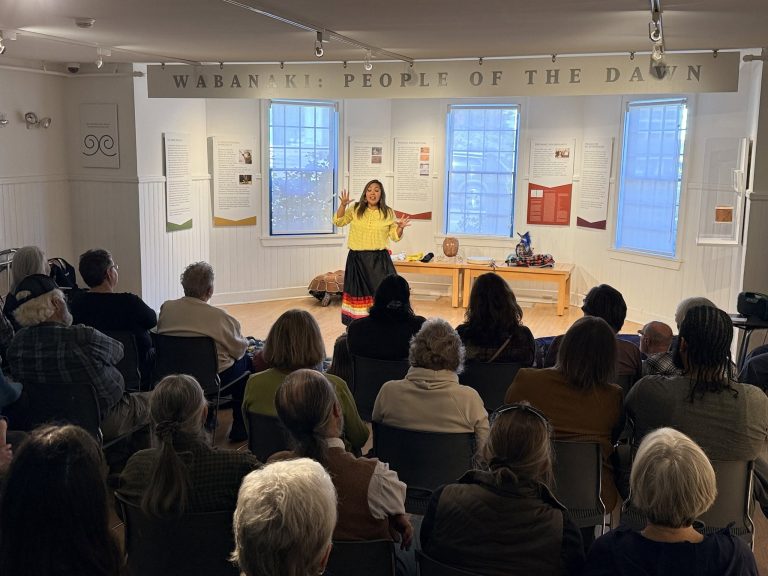
Taking a specialized look at the Wabanaki tribes through time, the Abbe Museum is the place to be for introducing or deepening students’ understanding of the Northeast’s local Indigenous groups. Students visiting the Abbe Museum learn about the Wabanaki tribes’ history and culture through the exhibits in the museum that highlight not just the storied past the tribes have on the land but the art and culture of the tribes today.
The museum’s core exhibit, The People of the First Light, focuses on more than 12,000 years of Wabanaki history and culture. Visitors encounter a rich story laid out before them. The exhibits and programs are best suited to 6-12th grade students, although many programs can be tailored to any age group, and a few others are geared specifically toward younger students.
The Abbe Museum boasts three main guided tour programs: Visiting the Abbe, Living in Harmony, and What is Sovereignty? All of these programs can be tailored to any age, although older students may get more out of them.
Discussions in Perspective
Visiting the Abbe, Wabanaki Heritage, Living Cultures, and Homelands is a guided tour of the museum and offers the most general, far-reaching look at the museum. Students tour all exhibits, with special emphasis on The People of the First Light, and spend much of their time examining the core exhibit.
The program, Living in Harmony: Caring for Land and Waters, is also a guided tour suited to all ages and is encouraged to be paired with class discussions about natural sciences and the environment. Students engage in discussions about environmental responsibility. This topic examines the Wabanaki worldview of interrelatedness; groups will learn how Wabanaki peoples have stewarded the land throughout time. Discussion will also turn to how these practices have been carried on through the generations, and how these perspectives and knowledge can inform the wider environmental world.
What is Sovereignty? An Introduction to Wabanaki Self-Governance is recommended for touring student groups between 7th and 12th grade who are currently studying civics, government, or history. This program invites students to learn about sovereignty and Wabanaki self-determination and how the current federal government affects the Nations today. This program offers a unique opportunity, as civics and government lessons rarely go beyond the inner workings of the American federal government. Western governments are not the only forms of governance, and this tour broadens students’ horizons by showing how other forms of governance might look.
Inclusion in the Narrative
The museum also offers programs that focus on other parts of Wabanaki culture and deconstruct preconceptions about Indigenous peoples. These programs are available both in person and digitally so that important discussions like these have the best chance of happening.
Students are able to engage with new ideas and cultures that have for too long been overlooked when considering American culture. Modern-day America touts itself as a melting pot because so many cultures rub elbows every day, and it is important to learn about the oldest cultures still here and still contributing to the fabric of American identity.