When you think of Nebraska, cornfields and wide-open spaces might come to mind. But look a little closer, and you’ll find a state filled with fascinating history, hands-on learning and unexpected discoveries.
Take Your Group Way Back When
Stuhr Museum of the Prairie Pioneer in Grand Island brings you back to the 1890s. The museum features life on the prairie with historic homes and businesses. Historical interpreters dress in pioneer period clothes and share their experiences with student visitors. Writing a letter to a townsperson, watching the blacksmith and reading a good old-fashioned 1890s newspaper are a few student favorites.
University of Nebraska State Museum in Lincoln offers many scientific discoveries. Mueller Planetarium explores the mysteries of space and its constellations with its Fulldome Digital Theatre. At Marx Science Discovery Center, students can investigate science using different senses, giving them the opportunity to touch whichever discovery catches their eye. For instance, students can see what a beaver dam is like. Take a glimpse at dinosaur fossils and remains straight from Nebraska at the Mesozoic Gallery and visit the “dig-site.”
Nebraska History Museum in Lincoln brings the state’s past to life through field trips designed specifically for students. Programs vary by grade level and encourage students to investigate artifacts, explore exhibits, build timelines and uncover the stories of notable Nebraskans. Whether they’re acting as museum curators or following a themed scavenger hunt, students take an active role in discovering Nebraska history rather than simply reading about it.
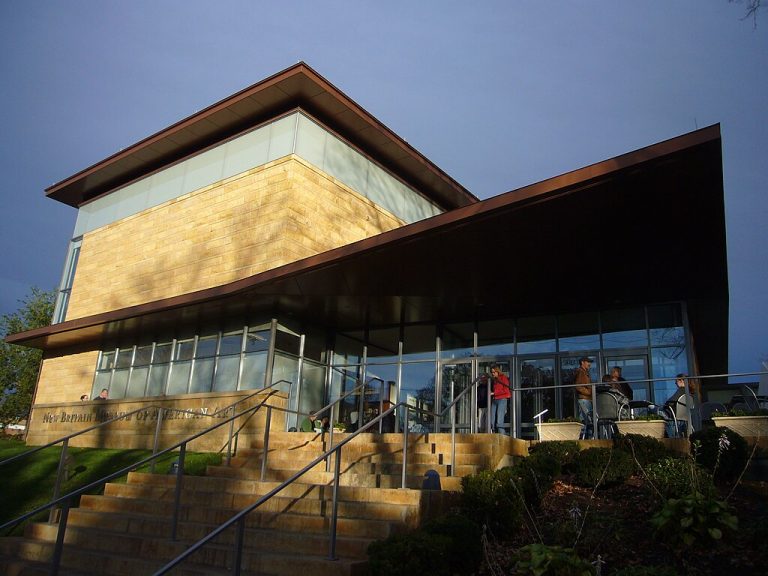
International Quilt Museum in Lincoln stitches you in to the world of quilts. Its mission is to inspire an understanding of the cultural and artistic significance of quilts by collecting, preserving, studying, exhibiting and promoting discovery of quilts and the quiltmaking tradition from many cultures. It’s the perfect exhibit for artistic souls.
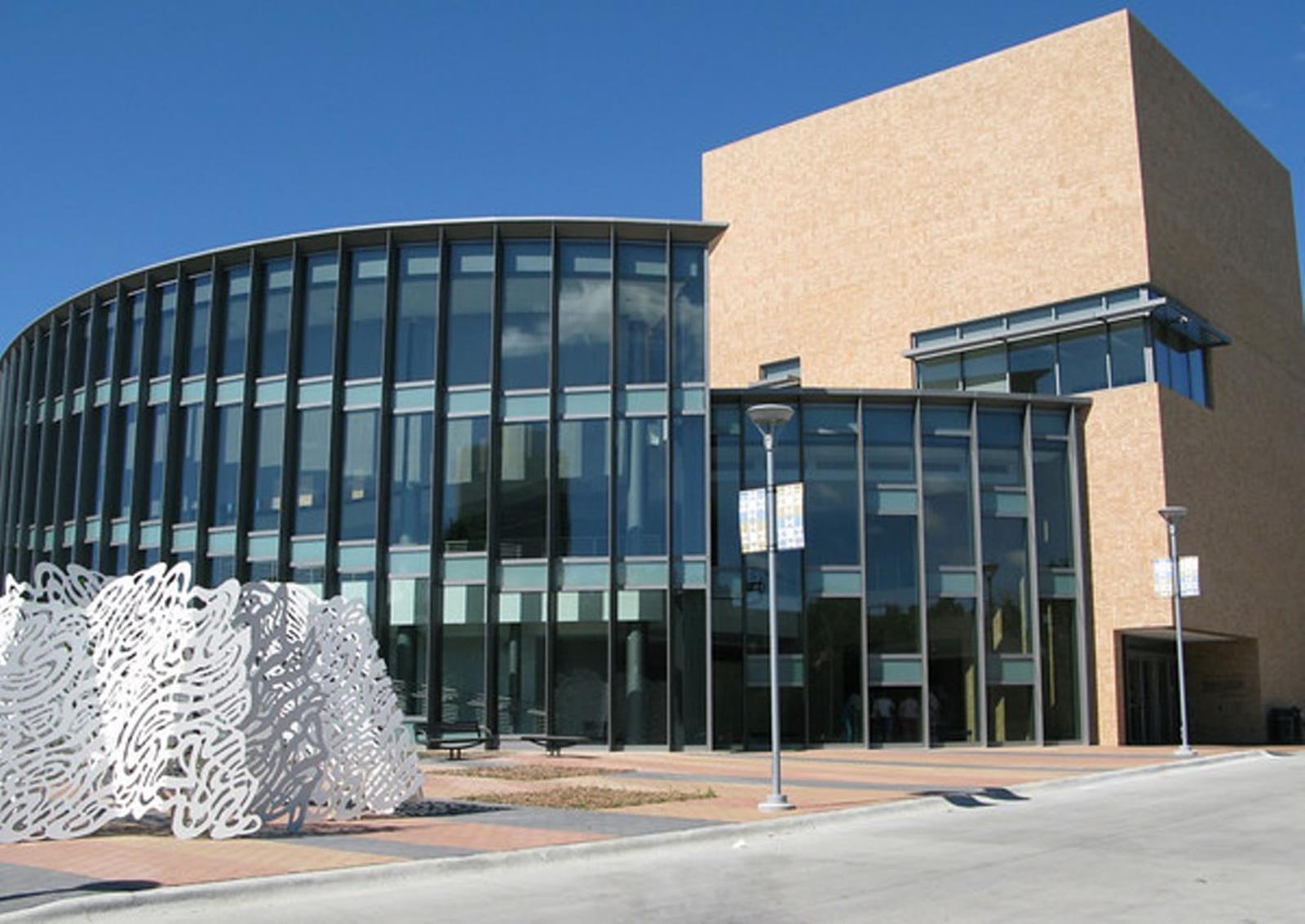
The International Quilt Museum. Credit: Maureenose at en.wikipedia
Get a Bird’s Eye View of Nebraska’s Animals
Wessels Living History Farm in York gives students a hands-on look at life on the farm in the 1920s. The farm demonstrates everyday chores such as cooking chicken dinners on the wood-burning stove and feeding the barnyard animals. The grounds consist of a farm house, granary, outhouse, church and one-room school house.
Prairie Loft Center in Hastings offers immersive field trips that get students outside and learning through hands-on exploration. Students can discover local plants and wildlife, investigate animal habitats, explore the farm-to-table connection, and learn about conservation and sustainability. Programs such as Outdoor Exploration, Eco-Adventure, Small World and Who Lives Here encourage students to use their senses, work together and solve problems while connecting classroom lessons to the natural world. Field trips are designed to complement classroom learning while helping students develop a deeper appreciation for nature and their role in protecting it.
Omaha’s Henry Doorly Zoo and Aquarium, one of the top-ranked zoos in the world, has a variety of educational wildlife opportunities. Around the World Guided Tours give you the option of virtually exploring the ocean, rainforest, desert or safari. Living Classrooms broaden students’ critical thinking skills with interactive activities focusing on either ocean or rainforest animals (or specifically penguins, if you have a special interest in these feathered creatures). Student Workshops go in-depth on topics like sharks, animal behaviors, behavioral husbandry or amphibians. Animal Encounter Presentation allows students to get up close and personal with an animal of their choice.
Riverside Discovery Center in western Nebraska is aimed at younger students, with programs that explore the anatomy of different species and their classes. Amazing Amphibians versus Remarkable Reptiles? Fantastic Feet? Hats Off to Bats? The Word on Birds? The programs not only have a catchy name, but a fun edge to teaching students the basic facts on the animals that roam our earth.
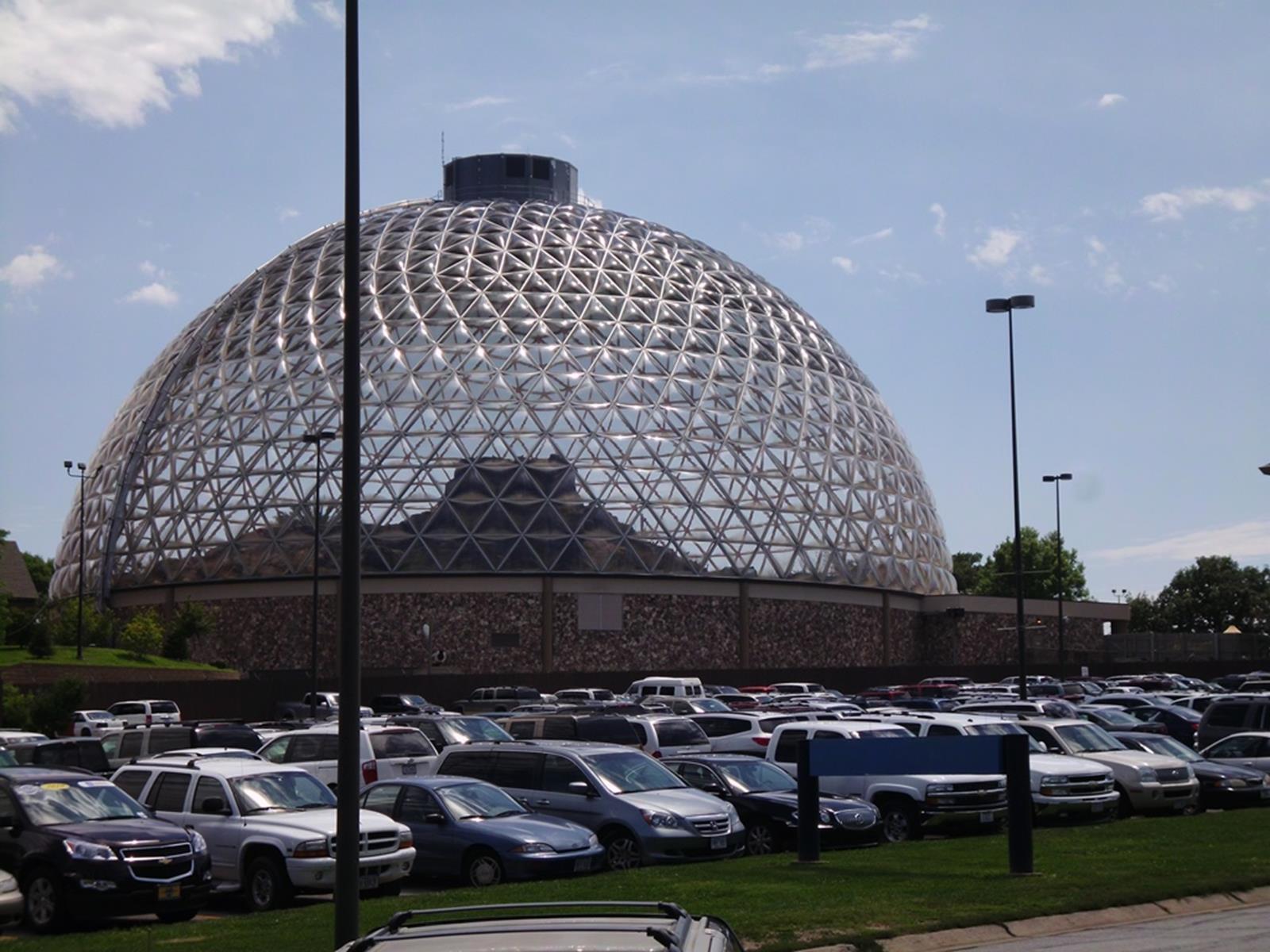
The outside of the Desert Dome at Henry Doorly Zoo and Aquarium. Credit: Dual Freq at en.wikipedia
More Than Meets the Eye Exhibits
Joslyn Art Museum in Omaha paints a picture with programs to provide artistic knowledge. Art that Tells Stories explores myths, legends and mysteries related to various cultures’ artwork. City Life, USA looks at scenic photographs and paintings, from high-rise buildings to villages. Learn how artwork was made in the How Did They Do That? exhibit. The Native American and Western Art collections display drawings and prints with connections to the Lewis and Clark expedition. An art-making activity is available for students to showcase their talents.
Raising Nebraska in Grand Island gives students a hands-on look at the science, technology and innovation behind Nebraska agriculture. Field trips are tailored to different grade levels and led by University of Nebraska-Lincoln Extension professionals, giving students the chance to explore interactive exhibits while diving deeper into topics related to agriculture. Students can learn about everything from where their food comes from to the technology and careers shaping modern agriculture, making Raising Nebraska an engaging way to connect classroom lessons with real-world experiences.
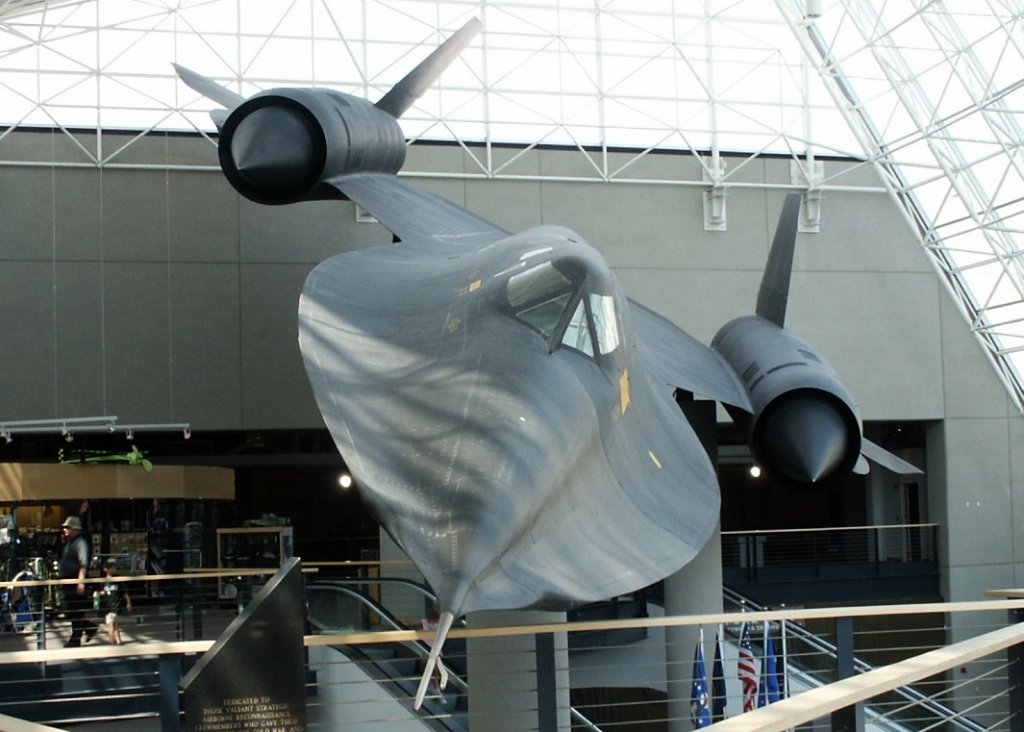
Appealing to all age groups, Ashland’s Strategic Air Command and Aerospace Museum is an attraction to add to your Nebraska itinerary. Visit the Heartland Astronaut exhibit, which shows highlights of Nebraskan native Clayton Anderson’s astronomical career. On display are the Apollo boilerplate, a nonfunctioning version of a rocket spacecraft used for testing before the actual craft is made, and the Atlantis Shuttle Trainer, used to train astronauts on spacecraft switches.
The Durham Museum, one of the finest Art Deco architectural wonders in the U.S., used to be home to Union Station in Omaha. Now, students from across the country travel to view its architecture and learn about historical structures like the Omaha Indian earth lodge and the Trans-Mississippi Exhibition building. Explore a rawhide tipi and restored train cars to get a feel for Nebraska history.
Carhenge in Alliance is a replication of England’s Stonehenge formed from vintage American automobiles. The cars are stacked in a way similar to the original stones and with beautiful sunrises and sunsets, the piece serves for an awesome photo-op and inspiration for artistic students of all mediums.
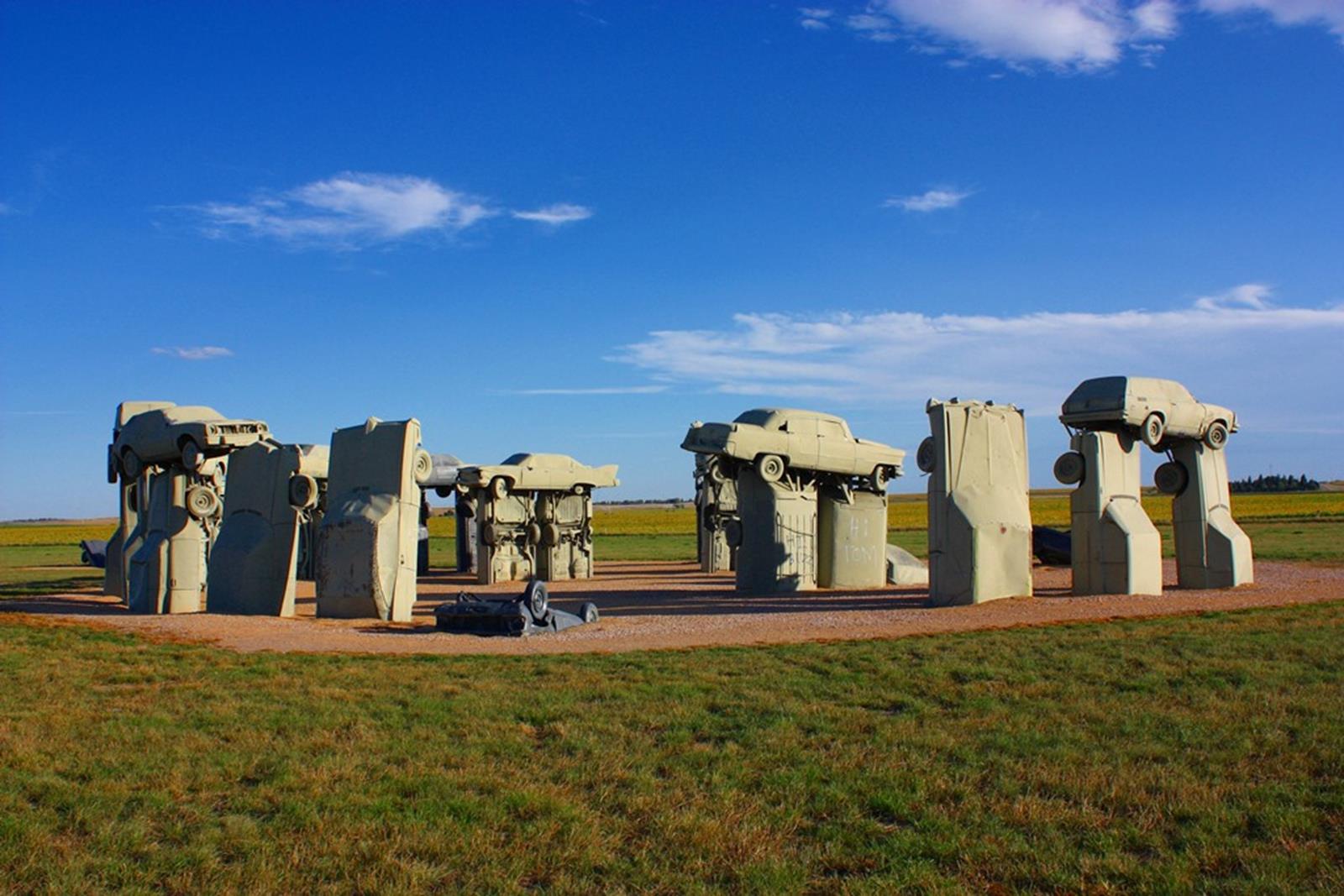
Carhenge sculptures. Credit: Jacob Kamholz at en.wikipedia
Take Learning Beyond the Classroom
From history and science to wildlife, art and hands-on outdoor learning, Nebraska offers student groups plenty of ways to turn a day away from the classroom into an opportunity to discover something new.
Main photo: The SR-71 on display at the Strategic Air Command and Aerospace Museum. Credit: Kandykornhead at en.wikipedia