Immerse students in Revolutionary War history at Morristown National Historical Park, where historic headquarters, reconstructed soldier huts and preserved landscapes reveal the brutal winter of 1779–80. George Washington and the Continental Army endured bitter cold, food and supply shortages and difficult relations with residents during their Morristown encampment.
The park’s school programming uses Washington’s Headquarters Museum, the furnished Ford Mansion and the Discover History Center to help students examine the people behind the Revolution. Additional resources for grade 5 and above include Civilians v. Soldiers, a role-playing activity that explores tensions between residents and Continental troops and asks students to weigh competing perspectives.
What Students Will Experience
Morristown’s educational value comes from the fact that students can move through several authentic and reconstructed environments tied directly to Washington’s 1779–80 winter encampment.
At Washington’s Headquarters, students begin in the museum and Discover History Center, where exhibits introduce the people, military challenges and political circumstances of the encampment. From there, a guided tour of the Ford Mansion takes students into the house Washington used as his headquarters during the “Hard Winter.” The mansion is furnished to reflect Washington’s stay, helping students picture the headquarters as a functioning home and military command center rather than an abstract landmark.
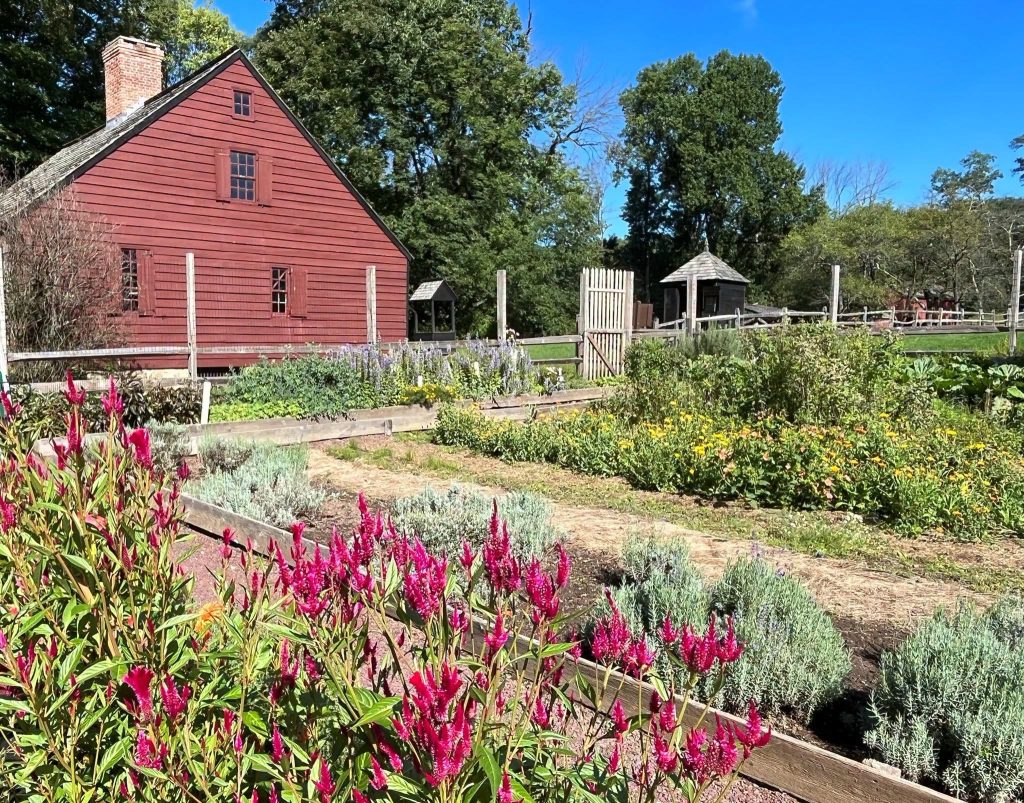
Elsewhere in the park, Jockey Hollow provides an entirely different perspective. Roughly 10,000 soldiers once encamped here, and students can visit reconstructed soldier huts and the historic Wick House while imagining the conditions troops faced during winter shortages and severe weather.
The park’s classroom materials reinforce this human-centered approach. Resources introduce officers, enlisted soldiers, women, children and civilians who experienced the encampment, along with primary-source quotations describing the weather and daily hardships.
For students in grade 5 and older, Civilians v. Soldiers turns historical conflict into a role-playing exercise. Students divide into opposing groups and argue from the perspectives of local civilians and Continental soldiers, examining how military occupation affected property, food supplies, economics and daily life.
Curriculum & Grade-Level Connections
The park’s current school programming is aimed particularly at elementary students, while its supplemental classroom resources make the site useful for upper-elementary, middle and high school groups as well. The National Park Service advises educators to contact its education staff for current 2026–27 program availability and reservation details.
Younger students can focus on daily life, teamwork, leadership and the difference between military and civilian experiences. Historic rooms, uniforms, huts and household environments provide concrete reference points that make Revolutionary history easier to understand.
For grade 5 and above, Civilians v. Soldiers aligns especially well with New Jersey curriculum topics involving the military and political course of the Revolution, New Jersey’s role in the war and the social and economic changes caused by military encampment.
Middle and high school teachers can build on those ideas by using the park’s primary-source resources. The Hard Winter materials include first-person quotations and historical weather accounts, while chronology and character resources help students compare individual experiences and investigate how historians reconstruct camp life.
The park also supports civics and historical thinking. Students can discuss leadership under crisis, military-civilian relationships, resource scarcity and the sacrifices required to sustain the Revolution. Role-playing shows that patriotism did not eliminate conflict among Americans and that civilians often bore high economic and personal costs.
Planning Your Visit
Teachers interested in ranger-led school programming should contact the park’s Education Specialist directly, as the National Park Service notes that the education office handles current program details and reservation procedures.
Morristown National Historical Park does not charge an entrance fee, making it especially attractive for budget-conscious schools. Park grounds are open daily from sunrise to sunset, while major visitor buildings are generally open Thursday through Monday from 9:30 a.m. to 4:30 p.m., subject to seasonal changes and closures.
Teachers should understand that the park spans multiple locations. Washington’s Headquarters Museum and Ford Mansion are at 30 Washington Place, while Jockey Hollow Visitor Center is several miles away at 586 Tempe Wick Road. A school group hoping to experience both areas will need its bus or other transportation available throughout the visit.
Public Ford Mansion tours are guided only and normally require free tickets obtained at Washington’s Headquarters Museum. Public tour times can change, so school groups should rely on their confirmed education-program arrangements rather than assuming standard public-tour access.
Accessibility varies by location. Washington’s Headquarters Museum and Jockey Hollow Visitor Center are wheelchair accessible, and more than three miles of paved roads through Jockey Hollow can be toured by vehicle. The Ford Mansion itself contains narrow historic stairs and is not fully accessible; the park provides an accessibility book with photographs and descriptions of inaccessible spaces. Captioned films, audio-description devices and Braille brochure options are also available.
Outdoor portions of the park involve uneven terrain, trails, grass and seasonal weather, so comfortable footwear and appropriate clothing are important. Teachers should also be aware of ticks, poison ivy and other outdoor hazards identified by the park.
For student groups, Morristown works best when planners allow enough time to experience both sides of the encampment story: Washington’s headquarters reveals leadership and military decision-making. At the same time, Jockey Hollow shows the far harsher everyday reality faced by ordinary Continental soldiers.