
Green Bank Observatory in West Virginia is a field trip that takes students far beyond the typical science museum experience. Home to the world’s largest fully steerable radio telescope, the observatory gives students a chance to see how scientists use technology to study the universe. Students can explore radio astronomy, engineering, and space science while seeing real research equipment up close. The observatory’s education programs are designed to make STEM feel hands-on and connected to the work scientists and engineers are doing today.
Group Field Trips
For a day visit, student groups receive a one-hour site tour and time to explore the Catching the Wave exhibit hall. The exhibit hall introduces students to the science and technology behind radio astronomy, while the tour gives them a closer look at the observatory and its telescopes. Groups with at least 10 students can also request an additional educational activity based on their interests or what they are studying in class. Teachers can share a specific astronomy topic when making their reservation, allowing the education team to help create a visit that fits the group.
Student Experiences
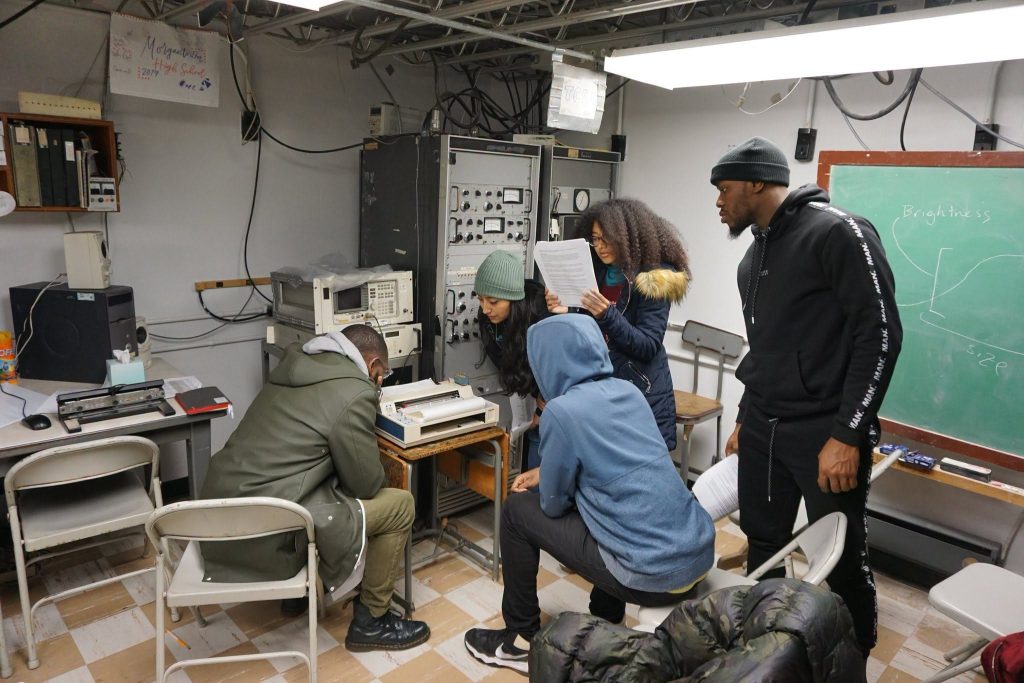
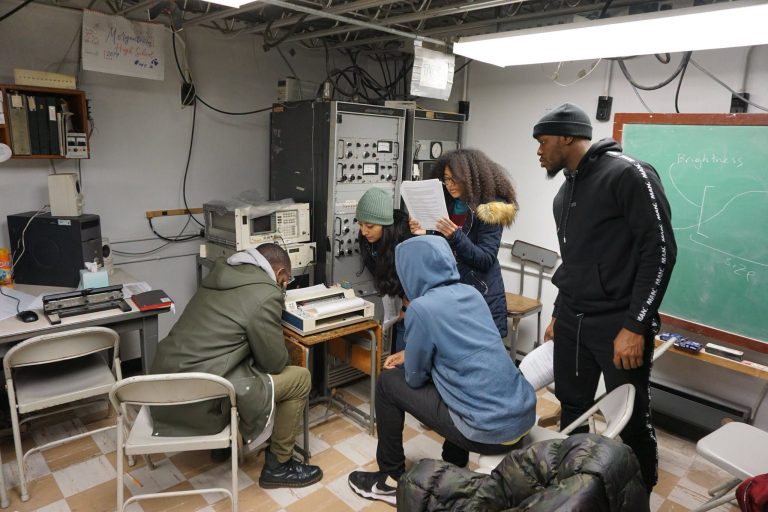
For educators, Green Bank offers several options beyond a traditional field trip. Day visits are free for organized student and youth groups, including school groups, homeschool organizations, scouts, and other youth programs, although reservations are required. The observatory recommends planning for at least two hours to allow time for the tour and exhibit hall. Teachers can also explore longer programs, including Radio Astronomer for a Day, where students spend the night at the observatory, learn how radio astronomy works, and use a working radio telescope as part of an authentic research experience.
There are plenty of ways to prepare students before they arrive. A class could start by learning the difference between optical and radio telescopes or researching how scientists use radio waves to study objects in space. During the visit, students could keep a list of questions about the telescopes, record new vocabulary, or sketch the equipment they see. Back in the classroom, they could create a model radio telescope, research a discovery made using radio astronomy, or design their own space research project. Green Bank also offers virtual field trips for groups that cannot make it to West Virginia, allowing students to learn about the observatory, radio astronomy, and current scientific research from their classroom.
Hands-On STEM
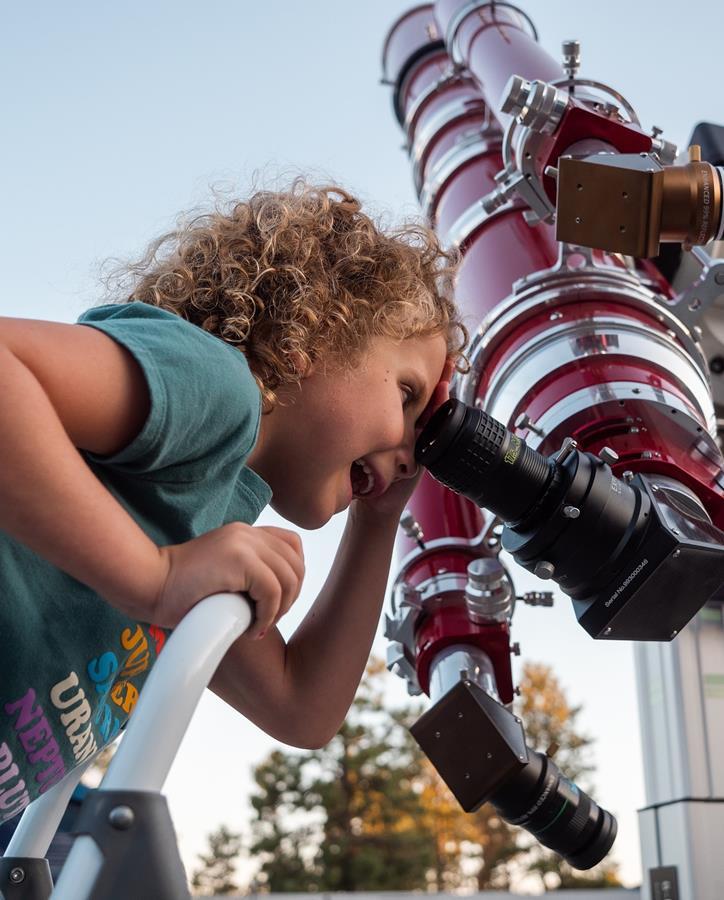
Green Bank Observatory is a great choice for teachers who want students to see what real science looks like. Instead of learning about astronomy only through pictures and diagrams, students can visit an active research facility, see massive telescopes, and learn how scientists collect information from across the universe. The combination of tours, interactive exhibits, hands-on activities, and overnight research opportunities gives students different ways to explore STEM. For students interested in space, engineering, or simply figuring out how the universe works, a visit to Green Bank can turn an astronomy lesson into a much bigger experience.