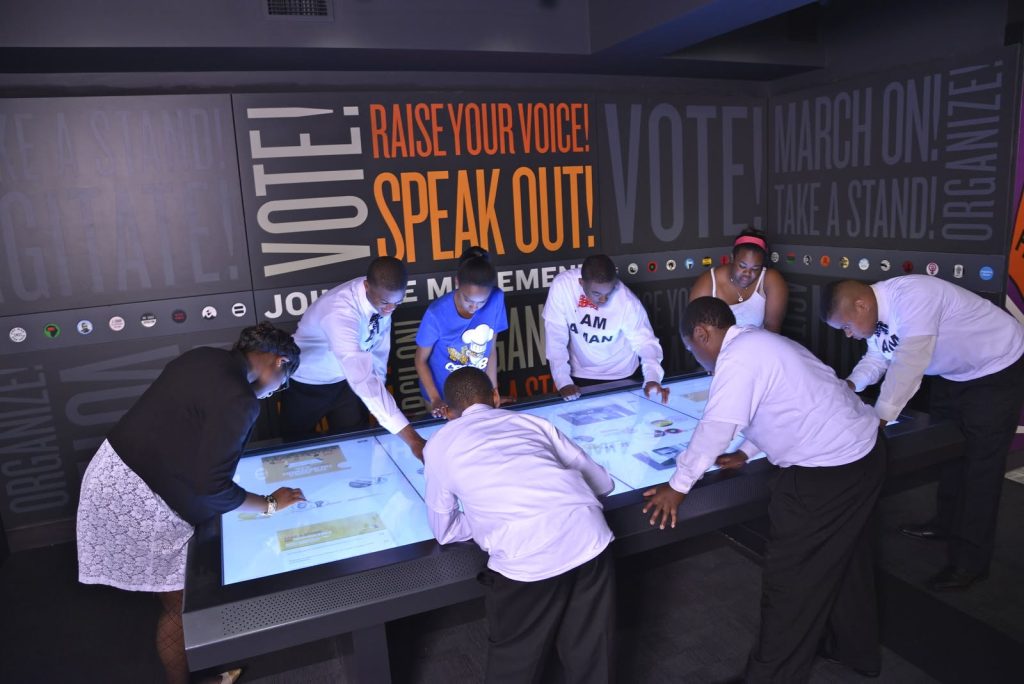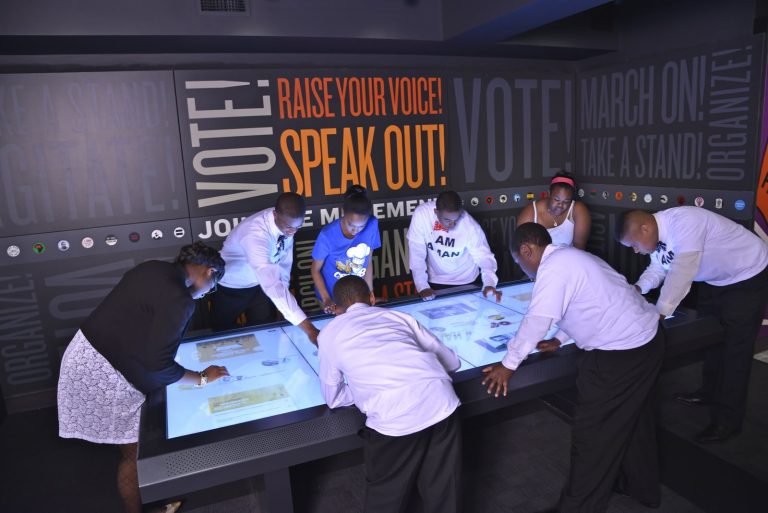

The National Civil Rights Museum in Memphis is the kind of field trip that can make history feel immediate, not distant. Located at the historic Lorraine Motel, where Dr. Martin Luther King Jr. was assassinated in 1968, the museum takes students through the long struggle for civil and human rights in America. Its exhibits explore slavery, segregation, the Montgomery Bus Boycott, student sit-ins, the Freedom Rides, voting rights, and the Memphis Sanitation Strike, showing how individuals and communities pushed for change.
Immersive Learning Experiences
The museum offers plenty of ways for students to participate in the learning before and after they arrive. One standout online activity, “Standing Up by Sitting Down,” lets students virtually experience a 1960 lunch-counter sit-in through a series of questions modeled after the museum’s interactive exhibit. Another activity, “Before the Boycott,” puts students in the role of a newspaper investigative reporter as they explore the Montgomery Bus Boycott and the conditions that led to it. These activities can help students arrive with some background knowledge and give them a way to revisit what they learned afterward.
For teachers, the National Civil Rights Museum provides a particularly strong collection of classroom resources. Its Learning Links include exhibit overviews, discussion questions, activities, artifacts, and interactive materials for teachers, families, and students. Resources are available for grades 4–12 and cover topics ranging from slavery and Jim Crow to the Civil Rights Movement and its continuing legacy. The museum also offers teacher workshops focused on teaching sensitive themes and encouraging meaningful discussion. Its educational materials align with state standards in Tennessee, Arkansas, and Mississippi, as well as Common Core standards.
Student Opportunities
Because the subject matter can be emotional and challenging, teachers can use the museum’s resources to prepare students for what they will encounter. Before a visit, students could discuss what courage, justice, or equality mean to them and then look for examples of those ideas throughout the museum. Afterward, they could write about one person or event that stood out to them, compare different strategies activists used, or examine how young people participated in the movement. The museum also encourages students researching projects such as National History Day to use oral histories, archives, and other primary sources as they continue their research.
The National Civil Rights Museum offers students much more than a history lesson during their field trip. Walking through the exhibits, examining historical materials, and learning about people who challenged injustice can make large moments in history feel personal and understandable. With interactive experiences, student activities, and resources that continue back in the classroom, the museum gives teachers plenty of ways to turn a field trip into an ongoing conversation about courage, citizenship, equality, and the power of speaking up.