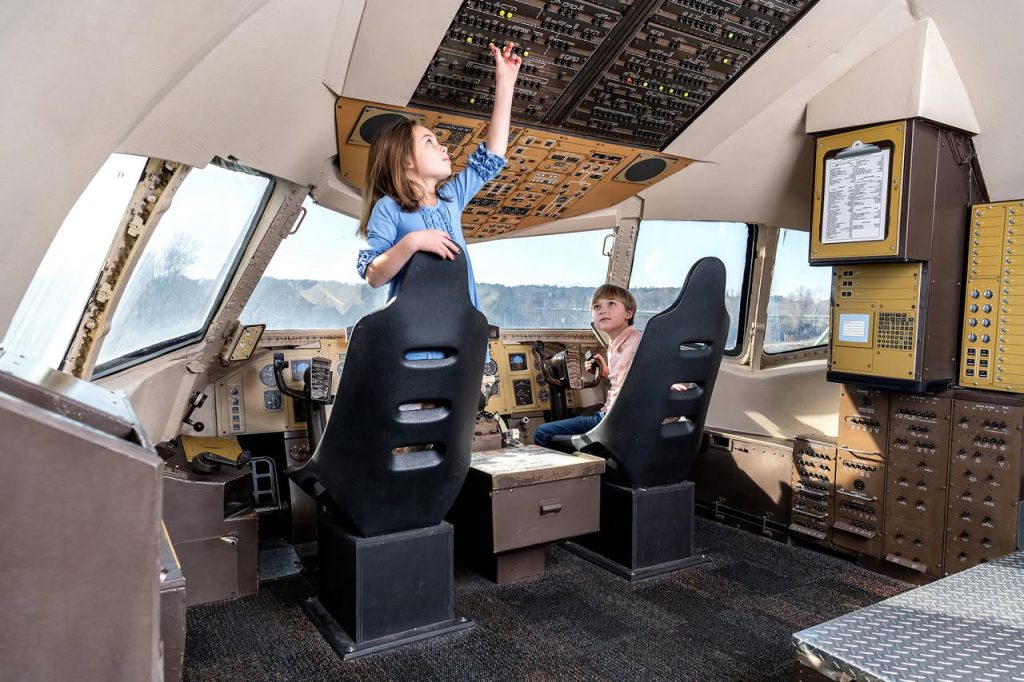

EdVenture Children’s Museum in Columbia is the kind of field trip where students are encouraged to touch, build, experiment, and, most importantly, be curious. Instead of simply looking at displays, children can jump into hands-on experiences that make learning feel like play. EdVenture offers standards-based programs designed to support classroom instruction, with activities covering everything from engineering and science to social studies and the environment. With locations in both Columbia and Myrtle Beach, it is an especially fun option for younger students who learn best when they can get involved.
Educational Experiences
The field-trip programs are organized by grade level, so teachers can choose an experience that fits what their students are learning. Pre-K and kindergarten students can become “Early Engineers,” building bridges, boats, and houses while practicing teamwork, problem-solving, and even basic coding. Other programs take students around the world to explore different cultures, into the world of plants with “Little Sprouts,” or into science with activities focused on magnets, motion, weather, and the environment. Older students can investigate topics such as Newton’s Laws of Motion, Earth’s changing landscape, and the impact humans have on local environments.
For educators, EdVenture makes it relatively easy to connect the excitement of a museum visit to South Carolina standards. Programs are specifically designed to complement classroom curriculum, and many are built around hands-on experiments or laboratory activities. Students might test how different objects move, investigate what plants need to survive, or explore ways to protect Earth’s resources. The museum also offers educational labs where students can practice the scientific method, make observations, and conduct experiments. Field trips are available from September through May, and schools and groups must schedule visits in advance.
Hands-On Activities & Programs
Teachers can build plenty of lessons around an EdVenture visit. Before the trip, students could predict which structures will be strongest during an engineering challenge or brainstorm questions about a topic they will investigate. Afterward, they could draw or build their own bridge, create a water-cycle model, design a solution to an environmental problem, or write about something new they discovered. For classrooms that cannot make it to the museum, EdVenture also offers Ed-to-Go programs, bringing hands-on lessons and large-group activities directly to schools.
EdVenture is a great field-trip choice for teachers who want students to learn by doing. Whether they are building a boat, exploring another culture, investigating plants, or testing a scientific idea, students have plenty of opportunities to experiment and figure things out for themselves. The museum’s Columbia location also features larger-than-life interactive experiences, including Eddie, a three-story, 40-foot-tall human body that students can actually climb through while learning about anatomy. With its mix of imaginative play, science, problem-solving, and curriculum connections, EdVenture proves that sometimes the best way to learn is to get your hands a little messy.