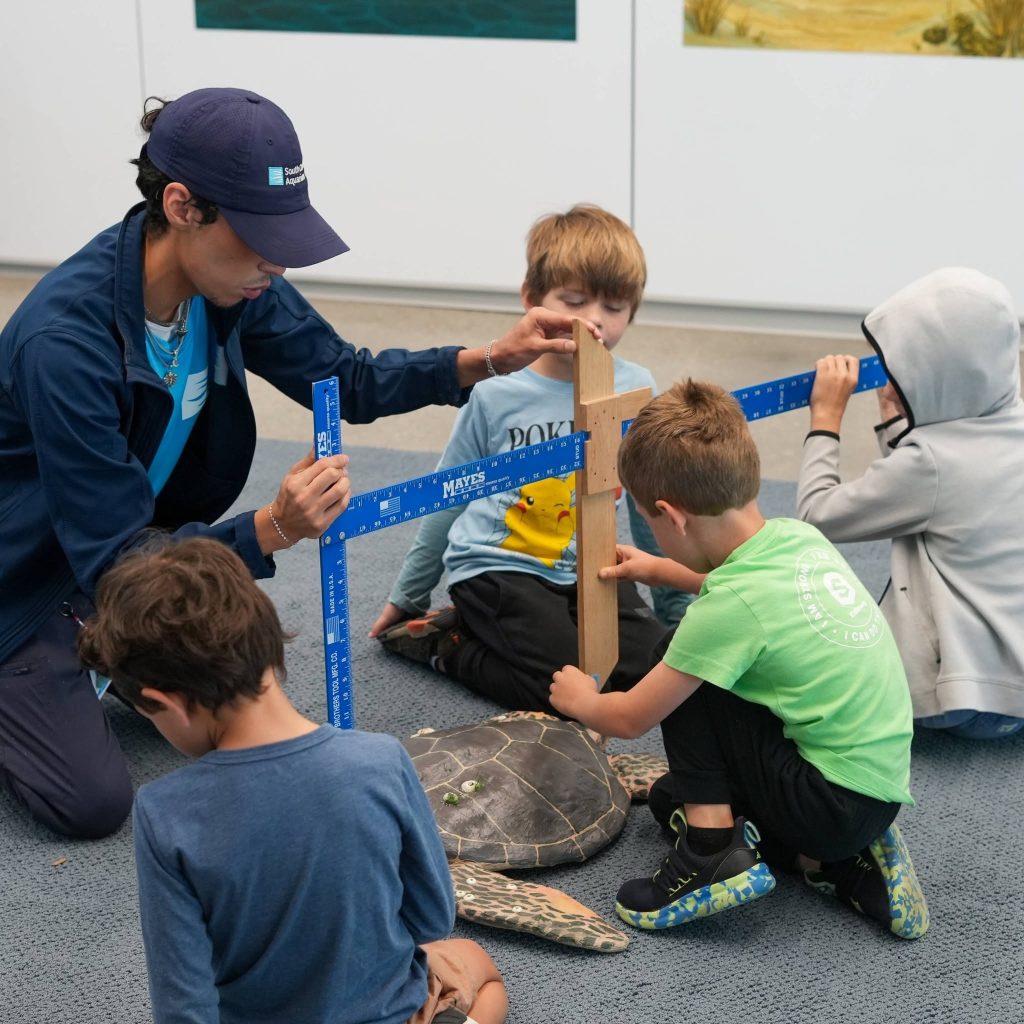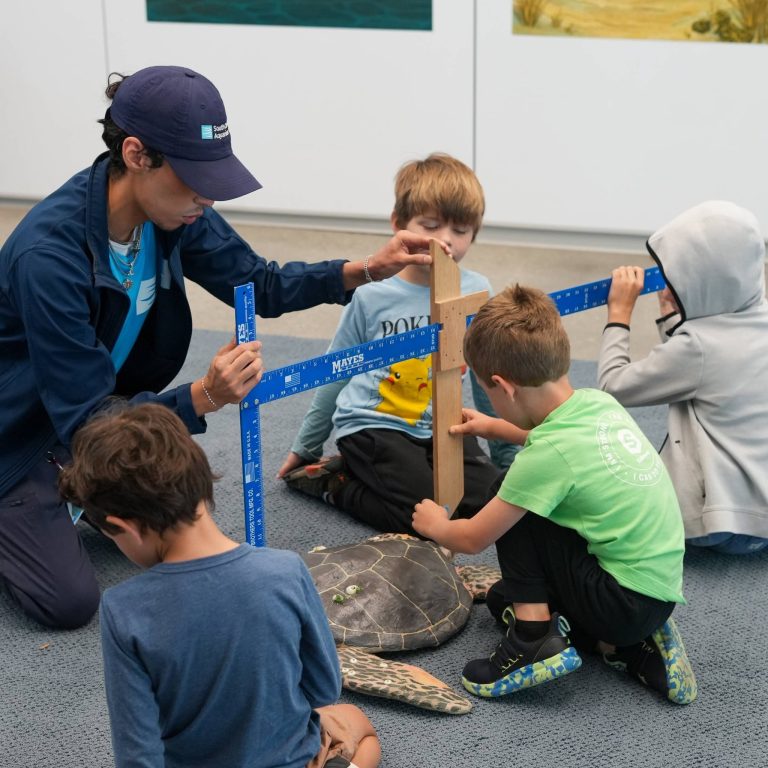

The South Carolina Aquarium in Charleston is the kind of field trip where students can walk in expecting to see some cool animals and leave with a much bigger understanding of the world around them. Located on Charleston’s waterfront, the aquarium focuses on South Carolina’s diverse habitats, from the mountains to the sea, while introducing students to the animals and ecosystems that make the state unique. Its education programs center on STEM, conservation, and hands-on learning, giving students a chance to connect what they study in class to real wildlife and real environmental challenges.
Student Experiences
A self-guided aquarium field trip lets teachers move through the exhibits at their own pace while focusing on the areas that best fit their curriculum. Students can explore habitats throughout South Carolina and take part in activities designed to keep them engaged rather than simply looking at exhibits and moving on. Teachers can also add on-site activities such as grade-specific scavenger hunts, STEM challenges, and Discovery Bins. The Discovery Bin lets students handle artifacts such as shark teeth, a loggerhead sea turtle skull, and stingray barbs, making the experience especially memorable for young learners.
For educators, one of the biggest advantages is how easily an aquarium visit can connect to South Carolina science standards. The aquarium offers free Dominion Energy School Programs for selected schools, including standards-based classroom lessons, aquarium tours, and up-close animal encounters. Programs cover topics such as habitats, food chains, adaptations, watersheds, taxonomy, earth history, and human impacts on wildlife. The aquarium also provides online curriculum resources with background information, worksheets, activities, and supporting books and videos for grades Pre-K through 12.
Learning Opportunities
There are plenty of ways to turn the visit into more than a one-day adventure. Before heading to Charleston, teachers could have students choose an animal or South Carolina habitat they want to investigate and create a few questions to answer during the trip. Younger students might focus on animal adaptations and habitats, while older students can explore topics such as food webs, watersheds, conservation, or the effects humans have on wildlife. Afterward, students could design their own habitat, create a food web, research a local species, or brainstorm realistic ways their community can protect waterways and wildlife. The aquarium also offers virtual field trips and statewide outreach programs, so learning doesn’t have to end when the class leaves Charleston.
The South Carolina Aquarium makes a strong addition to any field-trip list because it combines the excitement students naturally associate with seeing live animals with meaningful science education. From sea turtles and sharks to South Carolina’s freshwater and coastal ecosystems, students get to see concepts from their textbooks come to life. With hands-on activities, standards-based resources, and plenty of opportunities to talk about conservation, the aquarium gives students a field trip that is fun in the moment and gives them something to think about long after they return to the classroom.