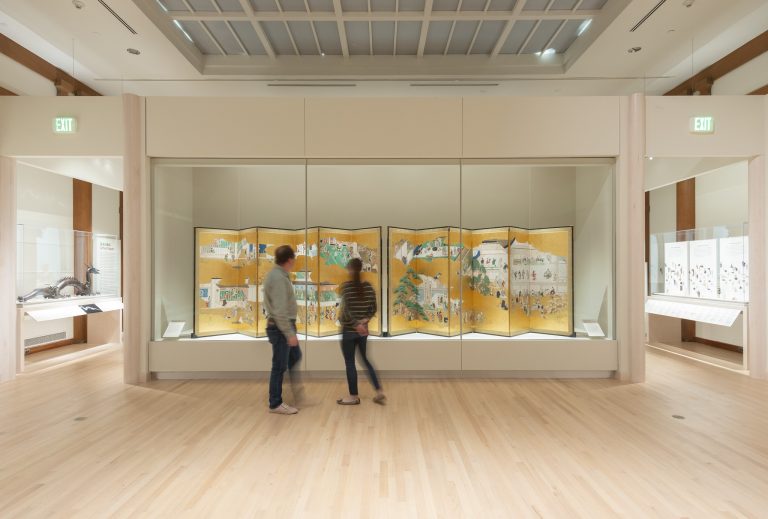

The International African American Museum is a place where students can learn history through stories, artifacts, and experiences that feel much more personal than a textbook. Located in Charleston, the museum explores the depth and diversity of African American history and culture, with a particular connection to Charleston’s role in the African American journey. Its location at Gadsden’s Wharf is especially meaningful, as the site is connected to the arrival of enslaved Africans in Charleston. Inside, students can explore exhibitions that connect African American experiences across generations, geography, and cultures. The museum also features the Center for Family History, giving visitors a chance to explore genealogy and how family stories can help us better understand the past. For students, it is a chance to learn about history while also thinking about the individual people and families behind it.
Student Field Trips
A school visit is designed to be more than simply walking through museum galleries. Pre-K through 12th-grade field trips include an introductory onboarding session, a guided experience led by museum educators, and a departure experience that gives students time to process what they have seen. The entire visit takes about 100 minutes, including 15–30 minutes of onboarding, approximately an hour of touring, and time for departure. The museum also provides educators with a virtual tour, digital exhibitions, and resources connected to its core exhibitions, so teachers can introduce students to the museum before they arrive. For students who enjoy researching their own family stories, the Center for Family History adds another interesting element to the visit. It can turn a broad history lesson into something more personal by encouraging students to think about where their own families came from and the stories passed down through generations.
What Students Can Learn
For educators, the International African American Museum offers an opportunity to explore history from several different angles. Students can learn about African American life, culture, migration, resilience, and contributions while also considering the difficult history of slavery and its lasting impact. The museum’s location in Charleston provides an important connection to South Carolina history and the broader history of the Atlantic world. Teachers can prepare students by discussing Charleston’s role in the transatlantic slave trade and then encouraging them to pay attention to the individual stories they encounter at the museum. South Carolina schools can visit for free, while out-of-state schools and qualifying enrichment groups receive discounted admission. The museum requires a 1:10 chaperone-to-student ratio, and school groups should plan since field trips must be scheduled in advance.
Educational Activities
There are plenty of ways to keep the learning going once students leave the museum. Before the trip, teachers could ask students to write down one question they have about African American history and see if the museum helps them answer it. During the visit, students could choose one story, artifact, or exhibition that stood out and record why it caught their attention. Afterward, those observations could form the basis for a classroom discussion about identity, culture, family, and how history is remembered. Younger students could focus on storytelling and family traditions, while older students could explore larger topics such as migration, slavery, civil rights, and the African diaspora. The museum’s resources also let teachers continue exploring the subject digitally, even after the field trip is over.
The International African American Museum offers students something that can be difficult to create in a traditional classroom: a chance to slow down and really connect with the people behind history. Its exhibits encourage students to look beyond dates and major events and think about the lives, cultures, and experiences that shaped the African American story. The combination of guided learning, meaningful artifacts, Charleston’s historic setting, and opportunities to explore family history makes this a particularly memorable South Carolina field trip. Students may arrive expecting a history lesson, but they can leave with a deeper understanding of how the past connects to families, communities, and the world they live in today.