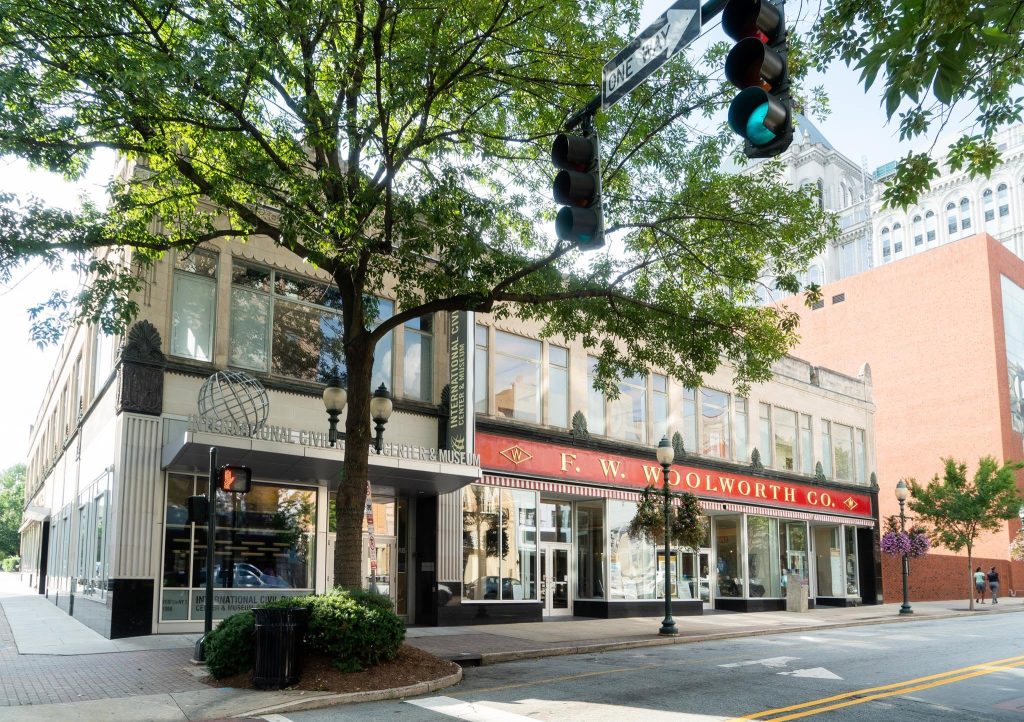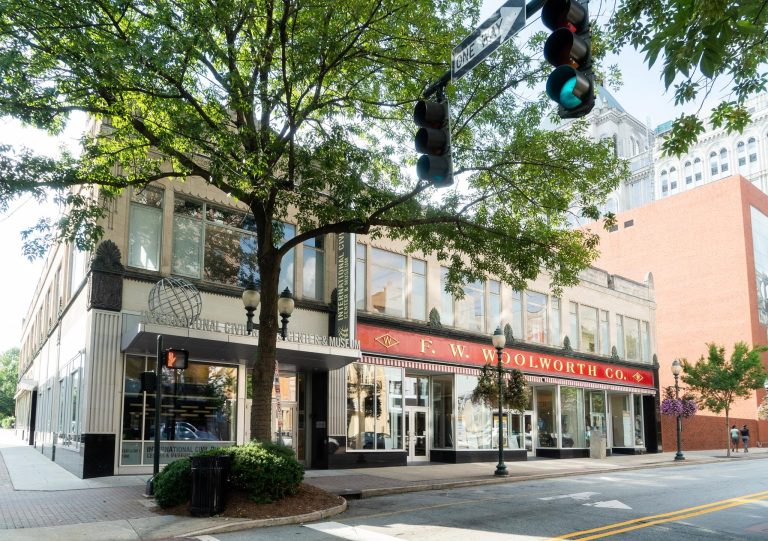

Some history lessons are easier to understand when students can stand in the exact place where history changed. At the International Civil Rights Center & Museum in Greensboro, North Carolina, students can do just that. Housed in the historic F.W. Woolworth building downtown, the museum preserves the site of the famous 1960 Greensboro sit-ins, when four Black students from North Carolina A&T State University sat at a whites-only lunch counter and peacefully demanded service. Their action helped spark a larger sit-in movement that spread to cities across the country. Today, the museum uses the original lunch counter, artifacts, photographs, videos, and interactive exhibits to tell the story of the Civil Rights Movement and the ongoing fight for equality. For students, visiting this site turns a history lesson into something tangible, and they can see how four college students changed the nation.
Thought-Provoking Experiences
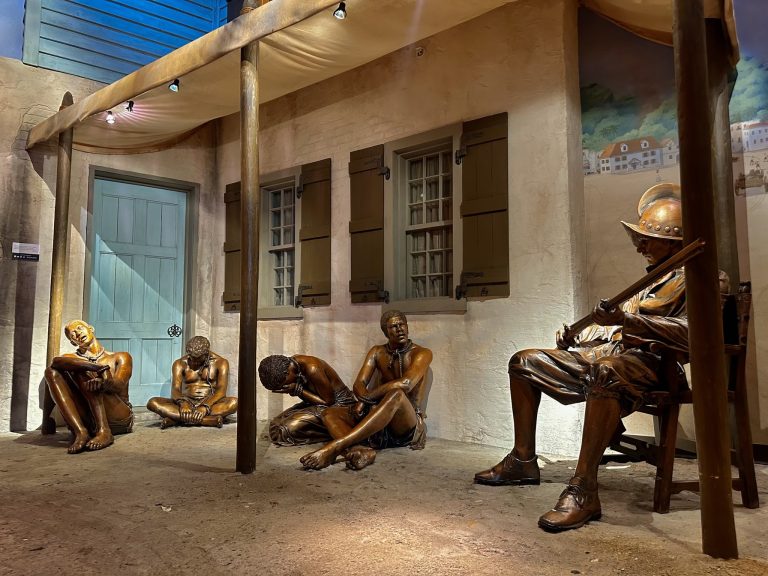
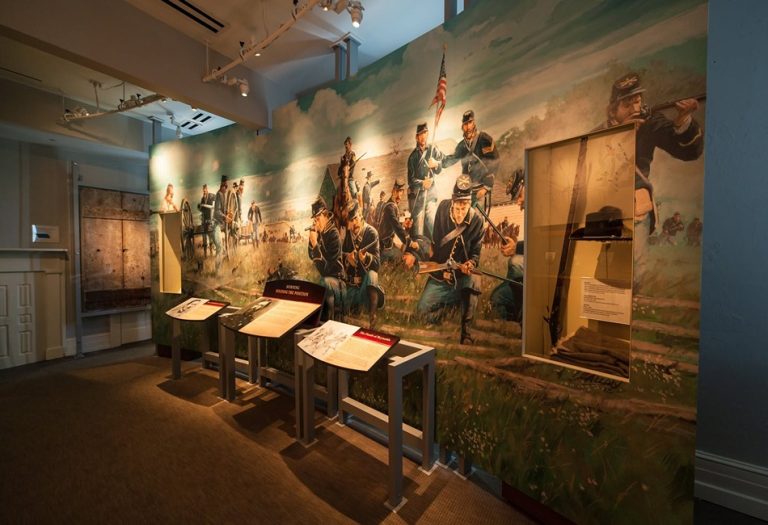
A group visit typically lasts between 90 and 120 minutes, giving students plenty of time to explore the museum and its exhibits. Schools can choose a Signature Staff-Guided Tour, which takes students through the museum’s permanent collection and “The Battlegrounds,” or a seated tour followed by a self-guided experience through the galleries. The museum also offers an interactive virtual tour for schools that cannot travel to Greensboro. For younger students in kindergarten through second grade, the SIMI Tour offers a shorter experience that includes a story read by a docent, a gallery scavenger hunt, and other age-appropriate activities. With audio and video narratives, photographs, artifacts, reenactments, and interactive components throughout the museum, students have plenty of opportunities to engage with the material instead of simply reading about it.
What Students Can Learn
Educators will find plenty of opportunities to connect the museum experience to classroom lessons. The story of the Greensboro Four provides a strong starting point for discussing nonviolent protest, civic engagement, and the role young people can play in creating change. Their February 1, 1960, sit-in at the Woolworth lunch counter helped launch a six-month campaign that spread to 13 states and 55 cities. The museum’s permanent exhibits expand beyond Greensboro to explore the broader Civil Rights Movement through historical artifacts, personal stories, and multimedia presentations. Teachers can also download the museum’s Concept Primer before visiting, giving students an introduction to major ideas and themes they will encounter.
The museum can easily fit into lessons across several subjects, including American history, social studies, government, English, and civics. Before visiting, teachers could introduce students to the Greensboro sit-ins and ask them to consider why the four students chose a lunch counter as the place to protest. During the visit, students could keep a simple observation journal, recording one artifact, photograph, or story that stood out to them and explaining why. Afterward, a classroom discussion could explore the effectiveness of nonviolent protest and how young people have participated in social movements throughout history. The museum also gives students a chance to think about the difference between learning about an event and standing in the place where it happened. That connection can make a complicated chapter of American history feel much more immediate.
Fascinating Exhibits & Artifacts
The International Civil Rights Center & Museum is more than a collection of exhibits. It is a place where students can see the impact that a small group of determined young people had on the nation. Standing near the original Woolworth lunch counter, students can connect a familiar everyday setting with a moment that helped reshape the Civil Rights Movement. The combination of historic artifacts, interactive exhibits, and guided educational experiences makes the museum a particularly meaningful field-trip destination for students studying civil rights, American history, or civic engagement. Most importantly, the visit leaves students with a powerful reminder that meaningful change does not always begin with people in positions of power. Sometimes, it begins with four college students deciding to take a seat.