
Exploring Plantation Life and Agriculture
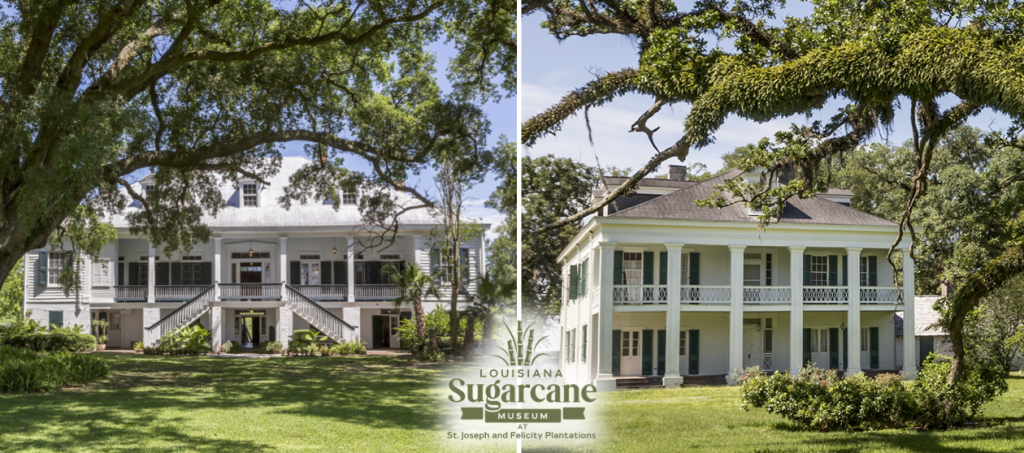
Two neighboring historic properties offer students a multifaceted look at Louisiana’s plantation economy, sugar industry and changing River Parishes communities at St. Joseph and Felicity Plantations in Vacherie. The properties remain part of a working sugarcane farm, allowing educators to connect the region’s 19th-century history with an agricultural industry that continues to shape the landscape today.
St. Joseph is considered one of the River Parishes’ more intact historic sugar plantation complexes. In addition to its circa-1830s main house, the property contains numerous outbuildings and historic spaces, including original dwellings of enslaved people, a detached kitchen, blacksmith shop, schoolhouse and other structures.
Educational Tours
Students can explore how these different buildings worked together within the larger plantation system and consider whose labor sustained the household, fields and sugar economy. A plantation visit can become far more meaningful when students are encouraged to look beyond the architecture of the main house and examine the plantation as a system of labor, agriculture, economics and human relationships.
Admission includes access to both properties and the Louisiana Sugarcane Museum, adding a strong agricultural and STEM-related dimension to the visit. Group tours and student group rates are available, with a 10-person minimum listed for group pricing. The plantation also permits groups to bring a picnic lunch to enjoy beneath the oak trees, which can be especially useful for school itineraries.
Curriculum Connections
Teachers might use the Sugarcane Museum to introduce the process of turning a plant into a commercial product while examining how technology, labor and agricultural practices changed over time. That makes the site relevant beyond a traditional history curriculum.
Students studying economics can consider production and trade; agriculture classes can examine sugarcane cultivation; geography classes can explore why the Mississippi River corridor supported plantation agriculture; and environmental science students can discuss how land, water and climate affect crop production.
The plantations also offer an unusual opportunity to examine material culture and social customs. Each fall, St. Joseph presents its seasonal Creole Mourning Tour, which explores 19th-century customs surrounding death and remembrance. For educators, the subject can open conversations about the ways cultures develop rituals surrounding death, how mourning practices reflect religious and social beliefs and how historians use objects, clothing, written records and customs to understand everyday life in another period.
History Meets Film
The properties also provide a natural bridge into film and media studies. Historic plantation landscapes have appeared in numerous film and television productions, including 12 Years a Slave, Mudbound and Queen Sugar.
Students can consider how a real historic location is transformed into a screen setting and, more importantly, how filmmakers use historic places when constructing narratives about the past. An older student group might compare the actual history of a location with the story represented in a film and discuss the difference between historical evidence and historical drama.