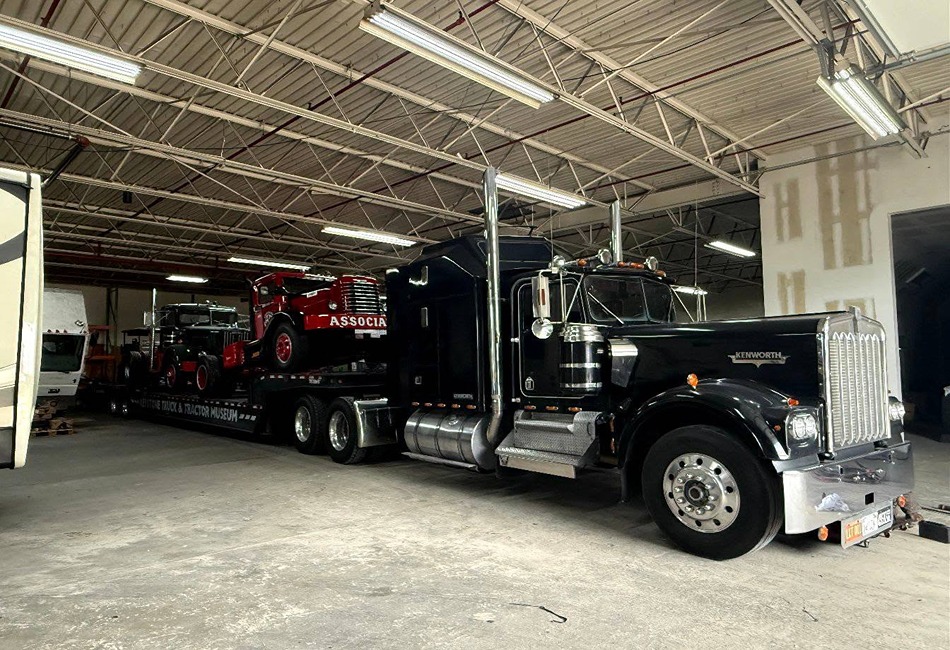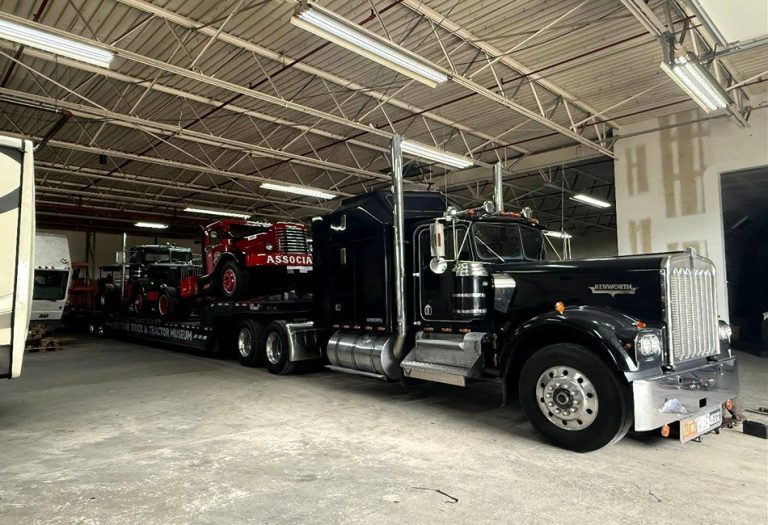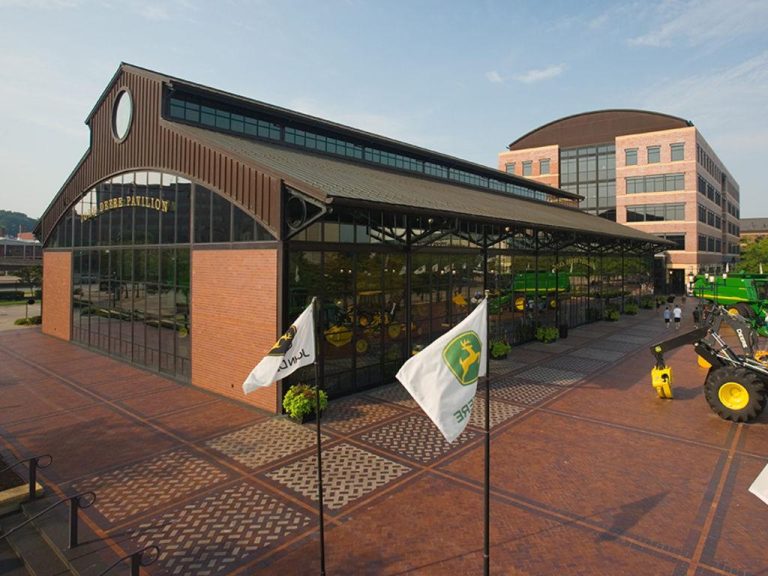

The Keystone Antique Truck & Tractor Museum gives students a chance to see how machines helped shape everyday life in America. The museum houses an extensive collection of restored tractors, trucks, vintage automobiles, agricultural equipment, and other artifacts spanning roughly a century of American agricultural and transportation history. For students, the collection offers a different way to explore farming, engineering, transportation, and industrial development. Students can see large machines that may only appear in photographs or history books up close, allowing them to appreciate their size, design, and purpose. The museum also shows how closely farming and transportation have been connected over the years, as changes in machinery helped farmers work more efficiently and move goods farther.
Diverse Exhibits
The collection gives students plenty to explore, from antique farm tractors and agricultural equipment to road trucks and classic cars. As they walk through the museum, groups can see how the appearance and design of these machines changed as technology developed. The collection also includes smaller and more unexpected items, such as antique radios and artifacts from everyday life. These objects help place the larger machines in their historical setting. Rather than focusing on one type of vehicle, the museum brings together equipment from different parts of American life. Students can move from a farm tractor to a road truck and then to a classic automobile, creating a broader picture of how people traveled, worked, and communicated in different eras.
Agricultural History
One of the most notable parts of the collection is its selection of more than 50 John Deere two-cylinder tractors. For students interested in agriculture, engineering, or technology, the tractors offer a chance to follow the development of farm power across generations. Looking at multiple machines from the same influential line makes it easier to notice changes in design and technology over time. The collection can also spark conversations about what farming required before modern equipment and how mechanical innovations changed how much work one person could accomplish. Even students who have little connection to farming can use the machines as a starting point for thinking about how inventions change the way people live and work.
Educational Connections
The museum can support lessons across several subject areas. History classes can use the collection to examine changes in American agriculture and industry, while science and technology lessons can focus on mechanical innovation and engineering. Students studying transportation can compare vehicles from different periods and consider why their designs changed. The collection can also provide opportunities to discuss rural life, manufacturing, and the relationship between technological progress and changes in communities. Teachers can encourage students to look closely at the machines and ask simple questions: What was this designed to do? What problem did it solve? How is it different from the equipment used today? Questions like these can turn a walk through the museum into an exploration of how technology responds to the needs of the people using it.
Keystone Antique Truck & Tractor Museum offers students a chance to experience a piece of American history on a scale that is hard to capture in a textbook. The tractors, trucks, automobiles, and other artifacts tell the story of a country that constantly changed how it farmed, traveled, worked, and communicated. The collection’s variety makes it easy for students to find something that catches their attention, whether that is a massive antique tractor, a classic car, or an artifact from everyday life decades ago. By bringing these machines together in one place, the museum helps students see technological progress as more than a series of dates and inventions. It becomes a story about people, work, and the machines that helped move America forward.