Discover curriculum-aligned destinations where students explore forecasting, flooding, coastal change and community resilience firsthand
By Heather Dale
The Southeast is the epicenter for some of the most intense weather and climate events in the country. Educators in this region don’t have to go searching for real-world examples. They live among them every day.
Students see hurricane forecasts on TV, hear tornado warnings on their phones and witness communities preparing for tropical weather events each year. What they don’t see is the science, decision-making and engineering behind those forecasts and warnings.
National Weather Service school visits and NOAA field trips for students introduce middle and high school learners to the systems behind the concepts firsthand. They aren’t simply studying extreme events. Students are discovering how scientists understand weather, how engineers respond to natural disasters, and how communities adapt and learn to live with weather events.
What Students Can Learn
Rather than reading radar imagery in a classroom, take weather science into the field at weather forecast stations. Throughout the Southeast, working meteorologists and scientists show students how they forecast the weather and make professional judgments when issuing warnings, using observations, satellite imagery, radar and computer models.
Along the coast, Earth science concepts are visible in ways that aren’t in the classroom. Sediment transport, estuarine ecology, wetland loss and storm surge can be difficult to visualize from an illustration. Students are stationed along rivers, aboard educational research vessels, and in salt marshes, collecting data and working alongside professionals, allowing the abstraction to disappear and a connection to form.
These experiences can support numerous curriculum areas at once:
- Atmospheric Science: Weather systems, hurricanes, tornadoes, severe-weather preparedness, radar and forecasting
- Environmental Science: Sea-level change, ecosystems, environmental change, erosion, estuaries and wetlands
- Engineering: Stormwater infrastructure, flood control, coastal protection and river modeling
- Geography: Coastlines, watersheds, land use and human-environment interaction
- Civics & Social Studies: Evacuation planning, public communication and emergency management
- Career Exploration: Environmental science, hydrology, engineering, meteorology, marine science and emergency management
Instead of simply asking, “What happens during a hurricane?” these types of field trips can prompt a better question: How do scientists and meteorologists understand these hazards, and what do people and communities do with that information?
Go Behind the Forecast
One of the most authentic weather science field trips available to student groups is not in a museum or science center. Go where the hard work happens and explore behind the scenes during a National Weather Service school visit. Meet those responsible for forecasts and warnings and discover important weather information and systems up close. Educational opportunities vary by office, but numerous locations in the Southeast offer school presentations, tours and virtual learning programs.
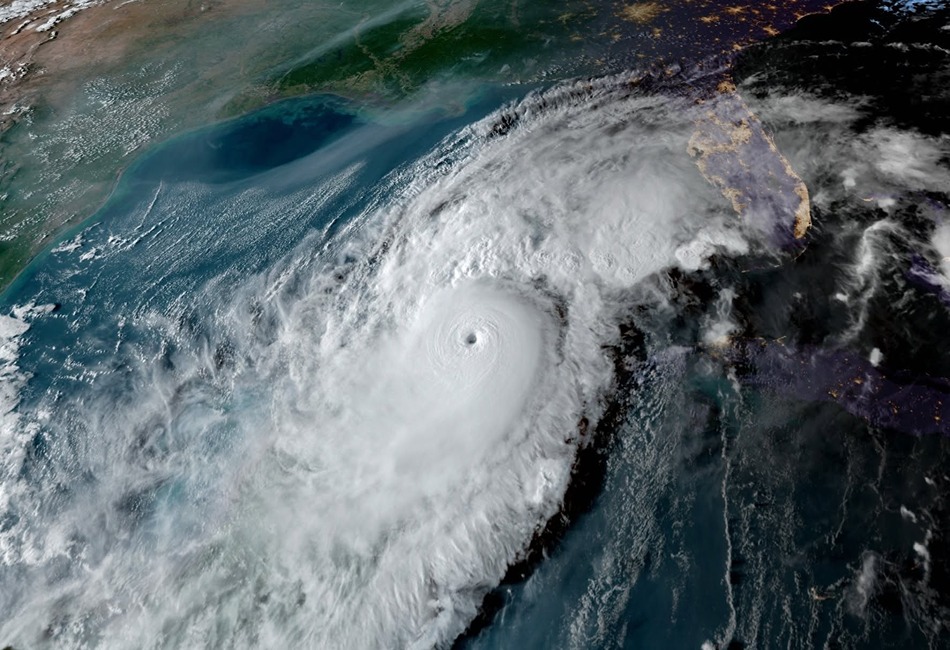
(PHOTO CAPTION/CREDIT: NOAA’s GOES-16 satellite captured Hurricane Milton approaching the western coast of Florida on Oct. 8, 2024. Credit –NOAA)
North Carolina
For example, the National Weather Service in Wilmington, North Carolina, provides in-person and virtual presentations by professional meteorologists on subjects such as hurricane forecasting, severe thunderstorms and weather safety and preparedness. Unpredictability is part of what makes the experience meaningful for students. They are entering a workplace filled with people whose priority is accurately forecasting weather and protecting the public in real time.
Florida
Further south, the National Weather Service Jacksonville Office serves Northeast Florida and Southeast Georgia, offering in-person visits and virtual school presentations for middle and high school students. Tours accommodate groups of 20 or less and mix a presentation with an in-depth look inside the office during one-hour experiences. This location notes that students can learn about forecasting careers and participate in special experiences, such as witnessing weather-balloon launches.
What to Know Before Booking a Field Trip
Due to unpredictable weather and the fact that these are active forecasting offices, tours normally take place on fair-weather weekdays. Check with the National Weather Service office for your destination and ask about age requirements, group size, tour policies and availability before planning.
A great educator resource and starting point is NOAA’s In Your Backyard: Southeast website. It provides teachers in the Carolinas, Georgia and Eastern Florida with a starting point for locating NOAA facilities, educational resources, programs and learning opportunities throughout the Southeast.
Inside Hurricane Forecasting
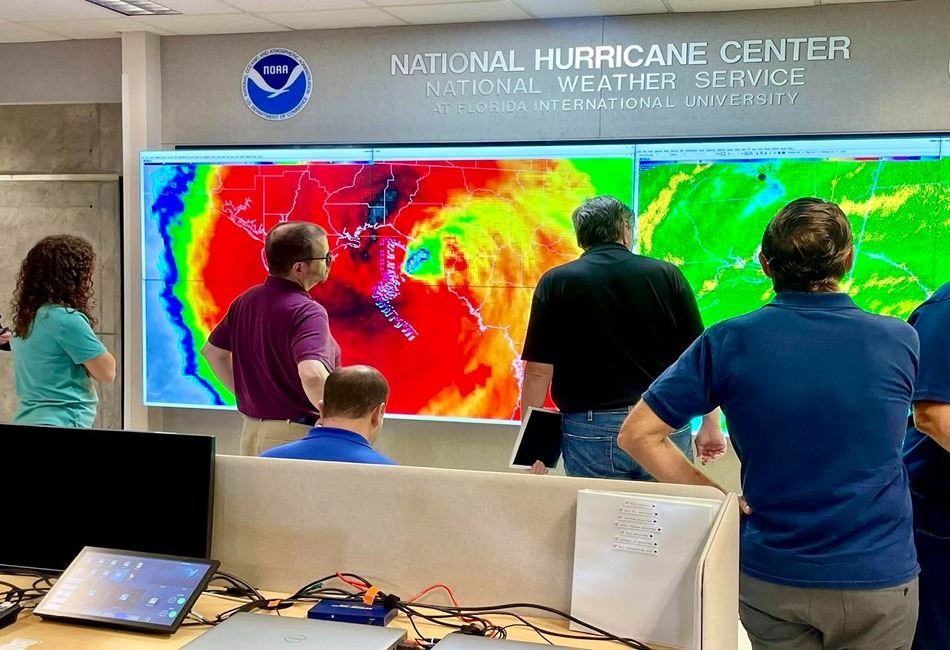
Located in Miami, Florida, the National Hurricane Center (NHC) remains one of the country’s most important resources for hurricane science and education. The facility has offered public and school tours in the past, giving visitors a rare glimpse inside the operation responsible for tracking tropical cyclones, hurricanes and issuing forecasts and warnings. Students can connect classroom lessons on forecasting models, hurricane information, public warning systems and storm tracks with those responsible for producing that information. In-person public tours are paused for 2026; however, teachers planning 2027 NOAA field trips for students should check the NHC Visitor Page for updates.
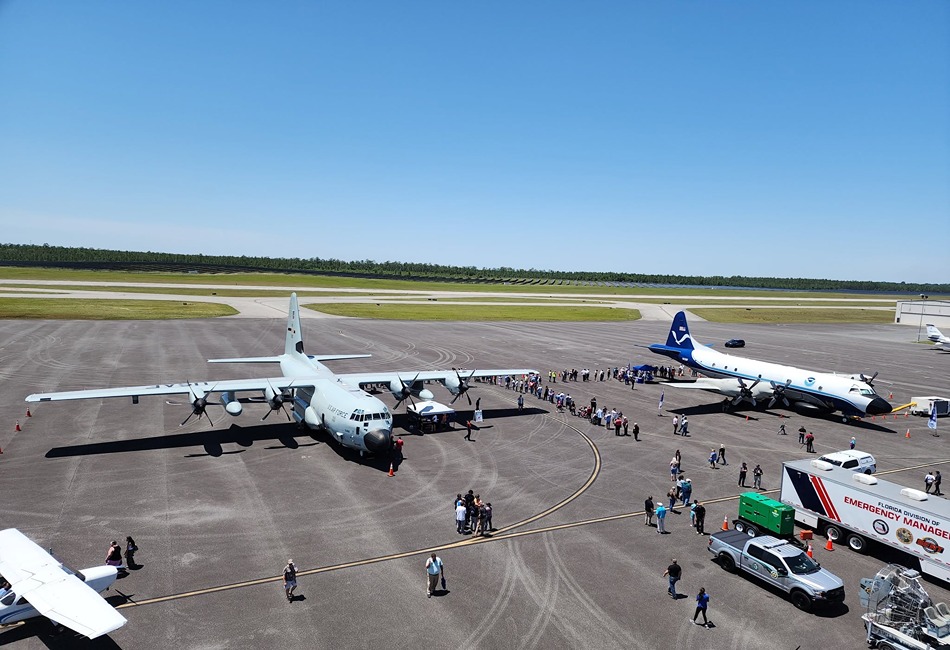
(PHOTO CAPTION/CREDIT: Hurricane Awareness Tour along the Gulf Coast showcases Hurricane Hunter aircraft and emergency management systems. Photo credit – NOAA)
In the meantime, the NHC offers a narrated and captioned video tour of the facility, taking viewers on a unique journey through working offices where weather forecasts and hurricane warnings are produced. The center also participates in NOAA’s annual Hurricane Awareness Tours, where hurricane experts, scientists, and Hurricane Hunter crew members visit select communities. Some events offer dedicated student programming and interactive opportunities, including touring the aircraft used to gather atmospheric data.
Even without an on-site visit, the National Hurricane Center allows students to learn how scientists turn constantly changing observations, computer models, and probabilities into trustworthy forecasts that communities use for preparedness and decision-making.
(PHOTO CAPTION/CREDIT: A Day in the Life of the Lagoon educational program at the Florida Oceanographic Society’s Coastal Center. Credit -Florida Oceanographic Society Facebook)
Hands-On Coastal Science
Move beyond looking at marine biology through traditional aquarium visits and investigate how wetlands, mangroves, marshlands, estuaries, and barrier systems function to better understand how extreme weather influences regions in the Southeast.
Florida
Grade-specific programs span preschool through high school at the Florida Oceanographic Society’s Coastal Center in Stuart. Groups can explore mangrove food webs, fish biology, and coastal environments up close. Students in grades 5–12 can get hands-on in the Indian River Lagoon and use seines in shallow waters to collect, identify, and release marine organisms while studying biodiversity and estuarine ecology.
Explore interactive opportunities for kindergarten through high school students at the University of South Florida College of Marine Science. Here, students become coastal scientists during outdoor field experiences that examine coastal geology, ecology, conservation, and watersheds. Locations include Clam Bayou Preserve, Caladesi Island and Fort De Soto, and offer activities that place students directly among seagrass communities, mangroves, oyster habitats and more.
Just south of Tallahassee, the Florida State University Coastal and Marine Laboratory provides a different dimension: the opportunity to visit an active university research environment. Teachers can collaborate with the laboratory to craft a unique experience for their group and are encouraged to make arrangements well in advance.
Mississippi
In Ocean Springs, the University of Southern Mississippi’s Gulf Coast Research Laboratory (GCRL) uses the Mississippi Gulf Coast as an outdoor STEM classroom, comprising the 100-acre Davis Bayou. The facility features laboratories, indoor and outdoor classrooms, floating classrooms and habitat trails. Educators can build field trips ranging from half-day Coastal Explorer programming to multiday marine science trips to examine barrier-island ecology, marine organisms and coastal waterways.
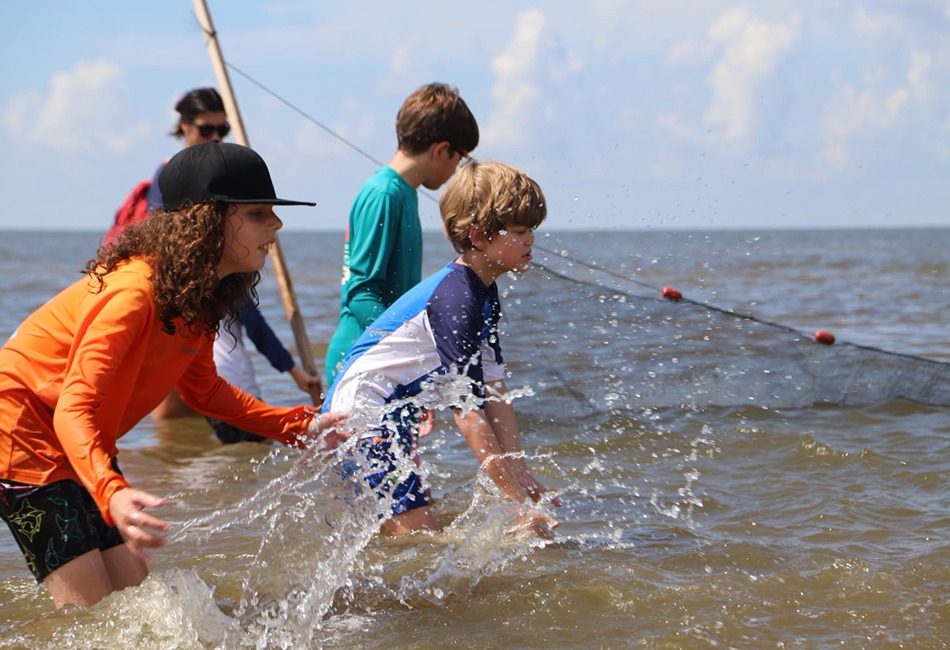
(PHOTO CAPTION/CREDIT: Middle schoolers pull a seine net in shallow water along the Mississippi Gulf Coast. Photo credit – Gulf Coast Research Laboratory Facebook)
In Moss Point, the Grand Bay National Estuarine Research Reserve provides a more research-oriented experience, with programs that connect students with estuary science and environmental data. Groups participating in its BRACKISH program will be introduced to scientific instruments during an estuary boat trip, followed by water-quality case studies.
These programs allow students to understand that coastal habitats aren’tjust scenery surrounding weather stories. They are part of the natural system, and weather can negatively affect their ability to thrive while protecting coastal communities from storm surge and other hazards.
Alabama
The Dauphin Island Sea Lab’s Discovery Hall Programs provide students in kindergarten through high school opportunities for field classes from September through May. Aligned with Alabama science standards, these programs can be combined into half-day, full-day, or multi-day experiences in which students investigate coastal and marine environments through hands-on activities, lab sessions, and STEM programming.
Wetlands, Rivers and Flood Science
In Louisiana, two facilities help students visualize enormous river and delta systems and ask what environmental change means for people living among these systems.
The LSU Center for River Studies in Baton Rouge is a dedicated learning environment for middle and high school students, offering on-site group tours and virtual experiences. Students can glimpse the Center’s Lower Mississippi River Physical Model, a 90-by-120-foot moveable-bed river model designed to help engineers and researchers study river and coastal environment processes. Mimicking the Mississippi River Delta, the simulator incorporates sediment and controlled water, acoustic sensors, and 20 high-definition projectors that bring river data to the surface. This experience creates an extraordinary bridge between natural science and engineering for students and a chance to ask the right questions. For example:
- How does a delta form?
- How can scientists model changes before engineers undertake costly restoration and preservation projects?
- What happens when sediment no longer reaches certain areas?
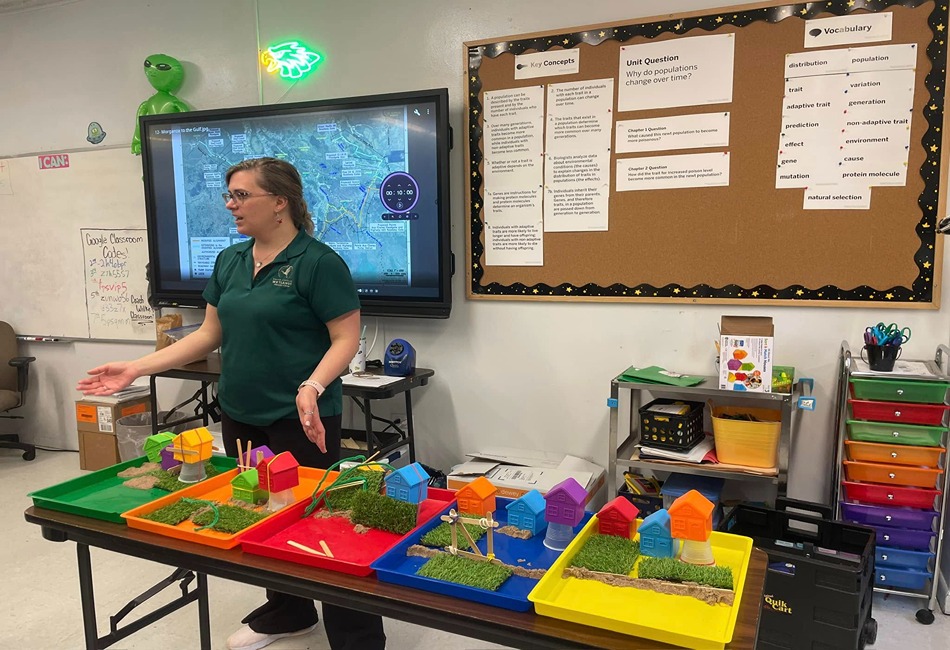
(PHOTO CAPTION/CREDIT: Coastal Classrooms from the South Louisiana Wetlands Discovery Center introduces students to the importance of wetlands as hurricane protection. Photo credit – South Louisiana Wetlands Discovery Center Facebook)
Nearby, the South Louisiana Wetlands Discovery Center in Houma focuses on helping young people understand Louisiana’s ever-changingcoast. In collaboration with the UCAR Center for Science Education, the Wetlands Discovery Center offers a Hurricane Resilience curriculum designed for high school environmental science studies. Over approximately 20 days of instruction, students will investigate hurricane and tropical storm risks, sea-level rise, community vulnerability, and how to approach resilience planning. Combine a trip to the Wetlands Discovery Center with a visit to its Bayou Terrebonne Waterlife Museum, offering K–8 field trips that incorporate interactive lessons alongside regional environmental and cultural interpretations.
From Hazard to Resilience
Forecasting a storm is just the beginning. There are many layers to handling natural disasters, from who decides when to issue warnings and how to communicate risks to the public, where stormwater will go and which infrastructure needs improvement. Understanding these different aspects helps communities prepare for future weather-related events, thus making weather education a natural bridge to public policy, civics and engineering.
For example, students in Charleston, South Carolina, can observe resilience engineering firsthand, as the city maintains numerous stormwater and flood-reduction projects. One such project is the Low Battery seawall and drainage initiatives, which completed restoration in early 2026 and continues to pursue further stormwater and resilience plans throughout the community.
Another recent completed project in Charleston is the Dale Morris Ecological Park, a 19.4-acre flood-mitigation site designed to reduce flooding and improve water quality.
Encourage students to investigate topics such as:
- Where can water go during a major rainstorm?
- When might a nature-based solution work better than using concrete?
- What kinds of infrastructure protects buildings and roads?
While these experiences don’t offer traditional student programming or structured tours, they provide authentic opportunities to incorporate firsthand environmental observation into an existing Charleston itinerary.
Careers Behind the Forecast
High school students interested in career paths in meteorology, climatology,and weather science have ample opportunities to explore careers and meet professionals who oversee forecasting, coastal change, flooding, and other aspects of weather prediction and risk mitigation.
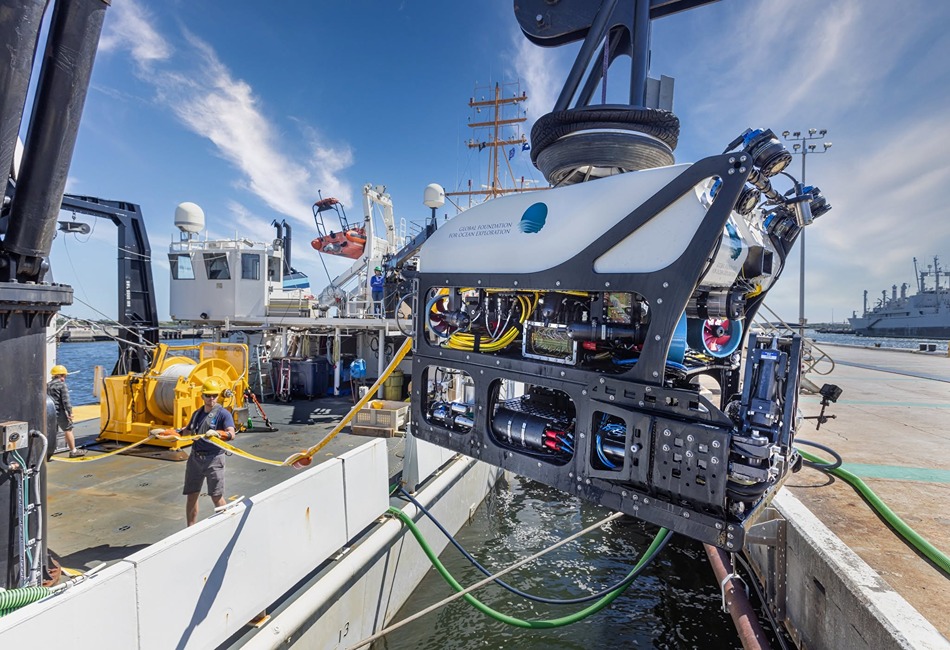
(PHOTO CAPTION/CREDIT: High school students can explore weather-related career paths with NOAA. Photo credit – NOAA)
Students can explore unique positions in weather-related fields, including:
- Marine scientists / environmental educators – study changing ecosystems
- River researchers – examine sediment and water movement
- Engineers – design vital infrastructure
- Emergency managers – turn forecasts into plans that can protect communities
For educators looking for other career-focused field trip options in the Southeast, explore in-depth information on how to prepare students for the future with Career-Oriented Field Trips.
Plan A Weather-Focused Field Trip
Climate and weather field trips for students can accomplish something textbooks cannot: they show learners firsthand that environmental challenges are also fields of study, potential career paths, and public responsibility. For educators, these experiences create STEM connections across engineering, ecology, Earth science, civics and geography, while introducing students to careers devoted to understanding weather and protecting local communities.
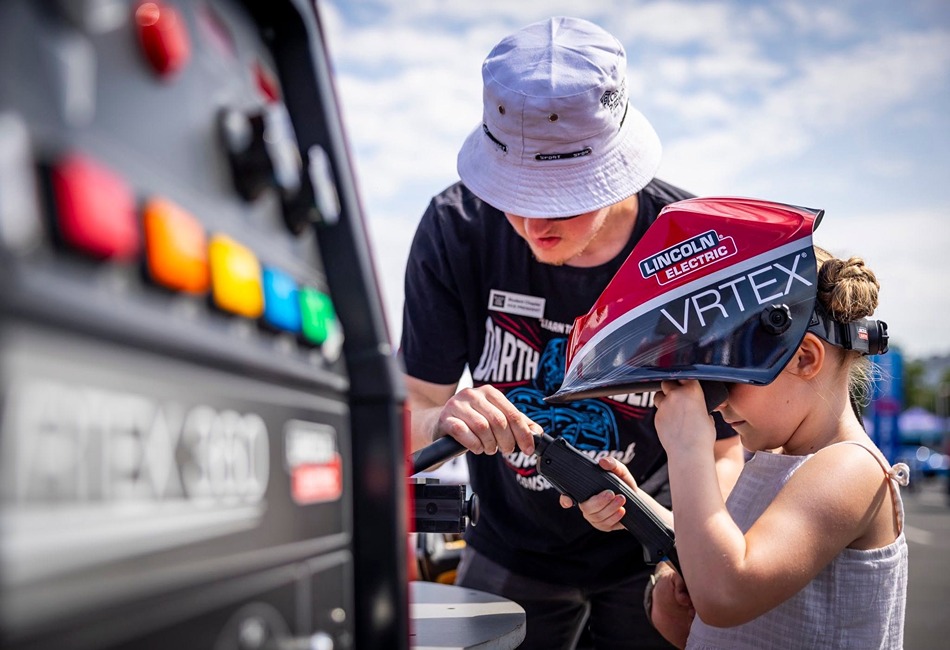
Header photo caption and credit: NOAA field trips for students can connect classroom learning to real-world concepts in weather forecasting and issuing warnings. Photo credit – NOAA