From farm-to-school learning activities to fascinating food science programs, agritourism field trips for students are gaining popularity
Food isn’t just something students consume; it’s culture, science, and systems. There are plenty of ways to digest educational food experiences. It is at the heart of culture, it plays a pivotal role throughout history, and is an art form steeped in science. No matter which angle you take, food can fit into the classroom curriculum in exciting ways.
Planning a food-focused experience takes a little extra consideration than your average field trip. Luckily, we have you covered with trip themes that span various subjects, planning tips, and resources for addressing food allergies.
Plan with purpose. Travel with impact. Get the Student Travel Pro magazine free.
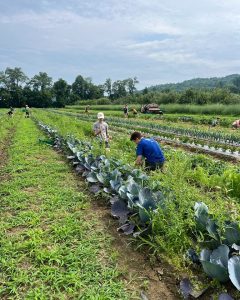
Students get hands on at Cedar Circle Farm & Education Center. Credit: Cedar Circle Farm & Education Center Facebook
Why Food is One of the Best Cross-Curriculum Field Trip Themes
Food is so much more than what we eat. Tie your educational food experiences for students to your classroom curriculum for an interdisciplinary education through cultivated culinary journeys.
Culture & Identity – Explore immigrant stories through the language of food for a look into the culture and identity behind tradition.
Agriculture & Ecosystems – Learn the science behind how food comes to be through the importance of soil to plant life, the important role of water, and how climate change has impacted local farmers.
Industry & Engineering – Go behind the scenes with processing lines and quality control to get an industry deep dive. Or look at the consequential machines that make food production possible.
Business & Entrepreneurship – Get a look at the strategy behind what makes good food into a great business, from the supply chain to branding.
Sustainability – Students are more eager than ever to learn about the environmental impacts behind packaging choices, food waste, and impacts to their local economies.
Choose Your Food Learning Style
There are plenty of ways to work food into your lesson plan in educational ways. Depending on your curriculum, pick the food learning style that best weaves into classroom objectives.
Agriculture & Harvest – Full of farm visits and dairy tours, agritourism field trips for students are perfect for learning about the importance of local agriculture.
Food Science & Production – Bakeries and food-processing tours help students gain hands-on experience in food science and production.
Cultural Foodways – Take a trip to a local market or host a family-style classroom potluck to highlight the importance of cultural food experiences for school groups.
Policy & Systems – The USDA’s Farm to School is just one of many food and nutrition programs that highlight the importance of student participation in food education and their access to local food.
Curated Culinary Learning Experiences for Students
There is a whole world of culinary delights for students to explore, learn from, and experience. This can start simply as a curriculum tie-in or classroom project. However, young minds will truly thrive through immersive learning opportunities. We have compiled a comprehensive guide for planning the best educational experiences for students.
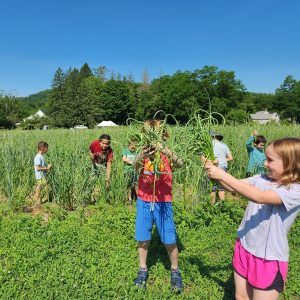
Harvest time at Cedar Circle. Credit: Cedar Circle Farm & Education Center Facebook
AGRITOURISM & FARM VISITS
For a true farm-to-school experience that opens young minds to the process behind what they eat, it’s best to get hands-on. Give students a peek behind the curtain of local farming and food processing through one of these “where food comes from” field trips.
Cedar Circle Farm & Education Center
In East Thetford, Vermont, the Cedar Circle Farm & Education Center features hands-on farm learning through its interdisciplinary field trips. This is a great option for learners of all ages. Visitors are encouraged to engage with the natural world and the study of agriculture through the seasons. Reach out in advance for field trip information and booking. Learning outcomes are structured by grade, offering hands-on education on topics including:
- Ecosystems & Interactions
- Engineering Design
- Aquatic Ecology & Water Quality
- Nature in Agriculture
Fair Oaks Farms
Take a journey to Fair Oaks Farm, an agricultural hub in Fair Oaks, Indiana, that offers curious minds farm tours, interactive exhibits, and a focus on the impacts of modern farming. Book your educational adventure in advance, with options for various subjects for all ages. Their Dairy, Pig, and Crop Adventure Tour gives students an up-close look at how farms operate. Contextualizes a variety of learning, including:
- Sustainability
- Environmental Impacts
- Animal Welfare
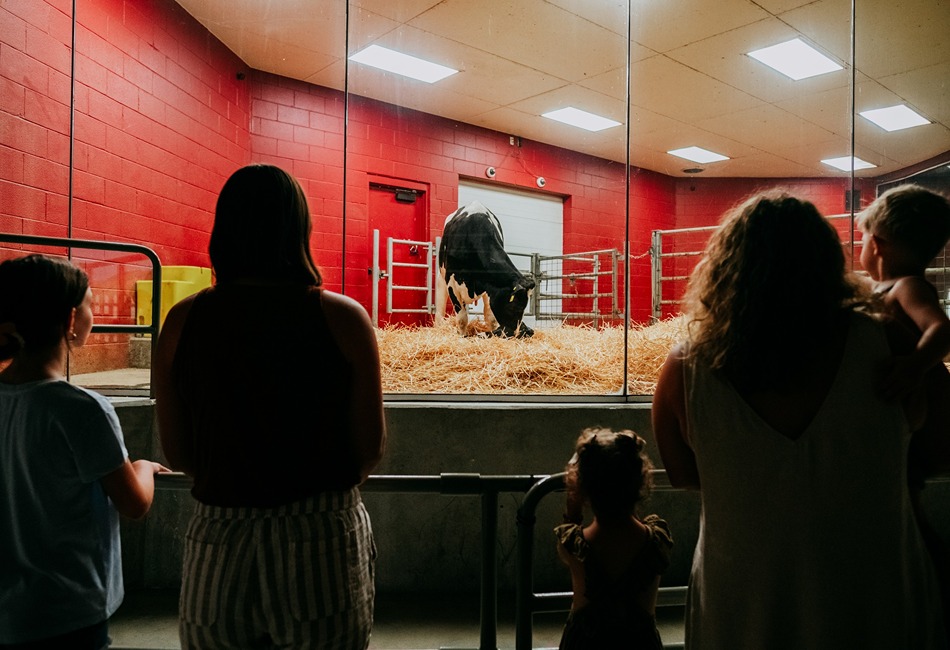
Birthing Barn at Fair Oaks Farm. Credit: Fair Oaks Farm Facebook
Factory Tours in Iowa
There are a variety of factory tours in Iowa that help students gain a rounded education in agriculture. Tour the Kinze Manufacturing Company, full of grain carts and planters. The Deere Davenport Works Factory Tour promotes the learning of John Deere and its storied history in the agricultural industry.
FOOD SCIENCE & PROCESSING
Help students understand what happens to their food between when it leaves the farm and when it reaches the table. These educational food experiences for students are ideal for a STEM-focused trip, career exploration, and food science programs.
Tillamook Creamery
Located in Tillamook, Oregon, the Tillamook Creamery’s viewing gallery allows students to see the entire process, from curdling the milk to cutting the cheese to scale checks. With a free self-guided tour open to all ages, this is a perfect trip for any grade. Learn the ins and outs of cheesemaking, with easy tie-ins for:
- Food Science
- Production
- Business
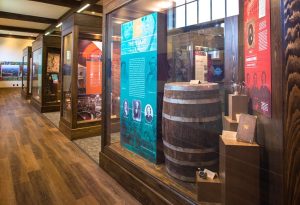
TABASCO Pepper Sauce Factory Museum. Credit: Tabasco Facebook
TABASCO Pepper Sauce Factory
Head to Avery Island, Louisiana, where students can explore the whole seed-to-sauce process during a tour of the TABASCO Pepper Sauce Factory, museum, greenhouse, barrel warehouse, blending room, and bottling line. Reservations are required in advance, with a variety of tour options available for all ages. Students learn about the whole process from farm to bottle to kitchen, focusing on:
- Agriculture
- Food Science
- Entrepreneurship
Evangeline Maid Bread
In Lafayette, Louisiana, Evangeline Maid Bread has used a baking process dating back over 100 years. This historic bakery emphasizes the importance of traditional techniques in the culinary arts. With a guided tour, students observe the production line and the processes involved in running a business. Students gain insights into:
- Culinary Arts
- Production
- History & Community
- Business
CULTURAL FOOD LEARNING
Don’t just take students on a standard food tour. Immerse them in the celebration of a culture through food. Through these unique culinary learning experiences for student groups, they are encouraged to ask questions about ingredients, migration, labor and tradition in thoughtful ways.
Immigrant Neighborhood Learning Walks
Blend history, food culture and tradition into one educational food experience for students. Walk through a unique food destination, such as Chinatown in New York City or Little Havana in Miami, while learning about:
- History
- Cultural Studies
- Cuisine
Home-Cooked Meal with a Local Family
If students are lucky enough to have a family open their home to curious minds, make sure to plan accordingly. Teachers should set expectations and educate on respectful curiosity beforehand. Students can take this unique experience to learn about:
- Culture
- Culinary Arts
- Cooking Traditions
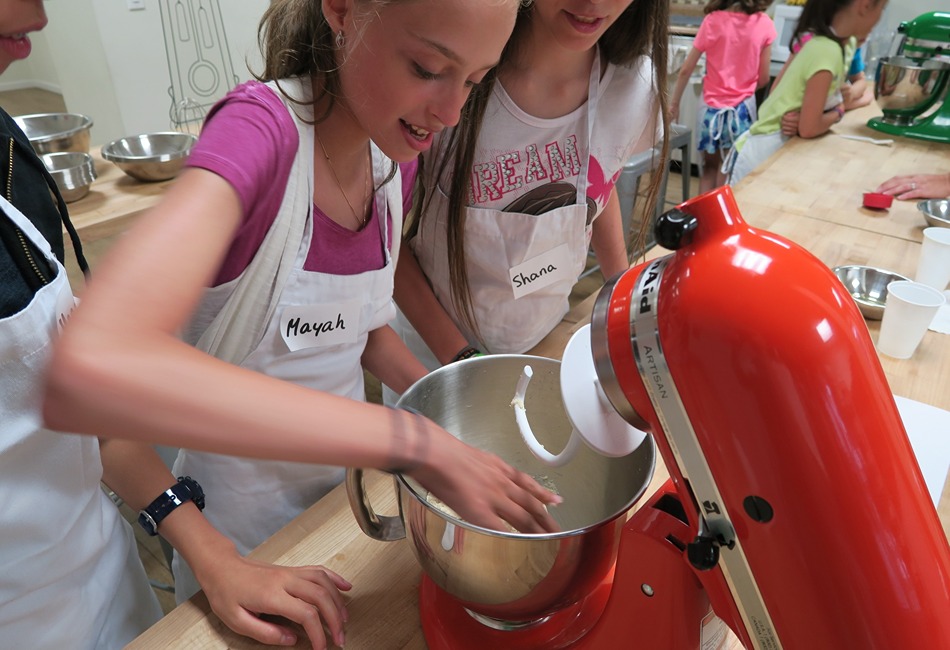
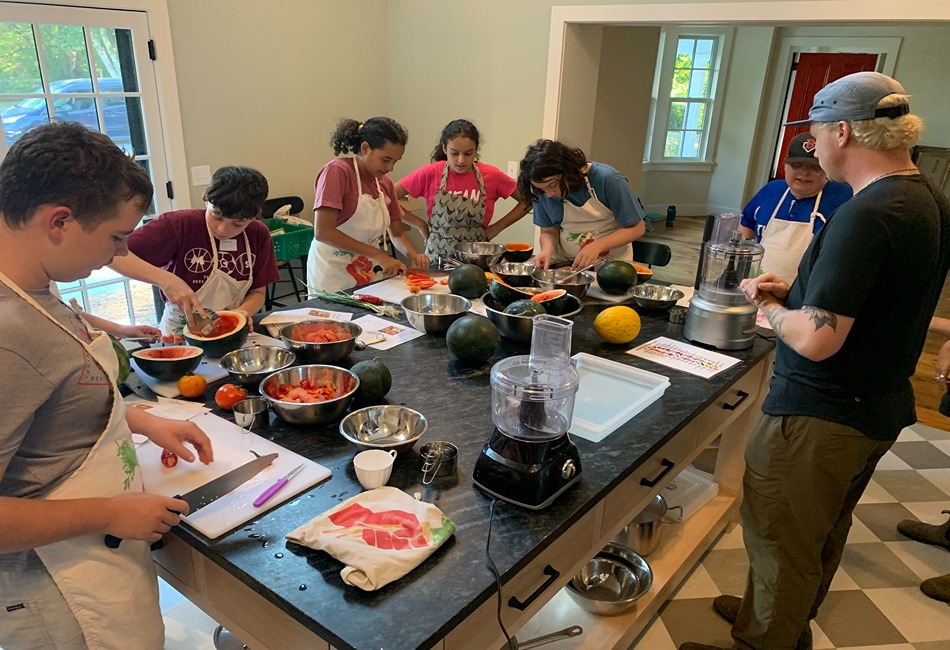
Green Apron Kitchen cooking school in Brooklyn. Credit: Green Apron Kitchen Brooklyn Facebook
CULINARY SKILL-BUILDING
Groups don’t just learn about where food comes from or how it is processed; students can get the best hands-on experience by cooking for themselves. Perfect for students who are exploring culinary careers and for a hands-on food science lesson.
Culinary Kids – With an outreach program that brings cooking right to you, Culinary Kids’ inclusive programming offers interactive experiences for all ages. Students will learn about food science and culinary arts while interacting with ingredients.
Green Apron Kitchen – Make food learning fun with cooking lessons from Green Apron Kitchen. Perfect for a variety of age groups, these classes are a great way to get students excited to learn about food science and culinary arts.
Garden School Foundation – All ages can gain a one-of-a-kind culinary experience with cooking classes from the Garden School Foundation and its Seed to Table program. Field trips are customizable to your classroom learning needs, including farm ecosystems, culinary arts, and food science.
Inclusive Planning: Allergies, Restrictions and Picky Eaters
It’s important to develop a comprehensive food plan before embarking on a food-focused field trip. Keep in mind: Just because some students cannot safely participate in tastings does not mean they should be excluded from learning.
For picky eaters, it’s important to avoid turning meals into a power struggle. Some kids have severe aversions to certain foods or food groups, so plan ahead with a “safe food” option. Remind students that tasting is optional, learning is required.
For food allergies and restrictions, start by coordinating with your school’s pre-existing allergy management plan–and get nurse guidance on best practices. Structure your culinary trip with the necessary safeguards in place and pre-planned alternatives for students who cannot eat everything–or anything–found there. The CDC provides a Food Allergies in School Toolkit full of tips and training to help school staff implement safe practices.
It’s also important that students understand their own limits. Before the field trip, educate the whole class with a simple rule: If you’re unsure whether something is safe for you, don’t guess–ask an adult.
Here’s a quick planning checklist for your next educational food experiences for students:
- Collect dietary restrictions early; confirm how providers handle cross-contact.
- Confirm ingredient lists for any tasting/workshop.
- Identify a “safe snack” plan for long days.
- Choose at least one daily meal option that’s plain and predictable.
Planning a Culinary Trip That Students Remember
Check our Student Travel Planning Guide for all the best planning tips and inspiration for your next budget-friendly field trip.
Prevent any last-minute surprises to your trip by asking these questions before booking:
- “Do you offer a student/group program or only public tours?”
- “What ages are allowed on-site (and on the production floor if applicable)?”
- “Can we avoid strong smells/noise/crowds with a timed entry?”
- “Can you accommodate allergies, and what’s your policy on outside food?”
- “Is there space for lunch + a quiet break if a student needs to reset?”
And if you are in need of fundraising ideas to help fund your culinary learning experiences for student groups, check out these fundraising ideas to make your field trip a reality.
By Helene Martin
Expert guidance—delivered to your inbox. Get student-friendly destinations, tips, and trends—free. Subscribe to the Student Travel Pro newsletter today.