
Practical strategies for student travel leaders to support mental health and emotional safety during field trips
Travel can be exciting for young learners and still dysregulating. Consider schedule changes, sleep disruption, sensory overload, and social pressures. For students who already deal with anxiety, emotional sensitivities, or just lower social capabilities, those stressors can hit even harder.
Let us help you create an exciting experience for even the most fearful young traveler, using 12 essential methods to support anxious students on field trips. If you’re planning or leading an educational excursion, follow our simple strategies to make a profound difference in how students are impacted by their travel experience.
From classroom goals to real-world learning. Download your free copy of Student Travel Pro and start planning today.
Wellness Travel Translates to Emotional Safety on Student Trips
Creating an inclusive travel experience for students really comes down to designing it to support everyone from the beginning, especially those who might struggle in unfamiliar settings. To accomplish this:
- Set clear expectations to limit surprises.
- Provide safe boundaries for independent choices and autonomy.
- Offer built-in support, like breaks, quiet time and reset options, giving students respite to recharge and reduce sensory overload.
- Foster strong communication and a group culture where students feel safe speaking up and voicing concerns without feeling singled out.
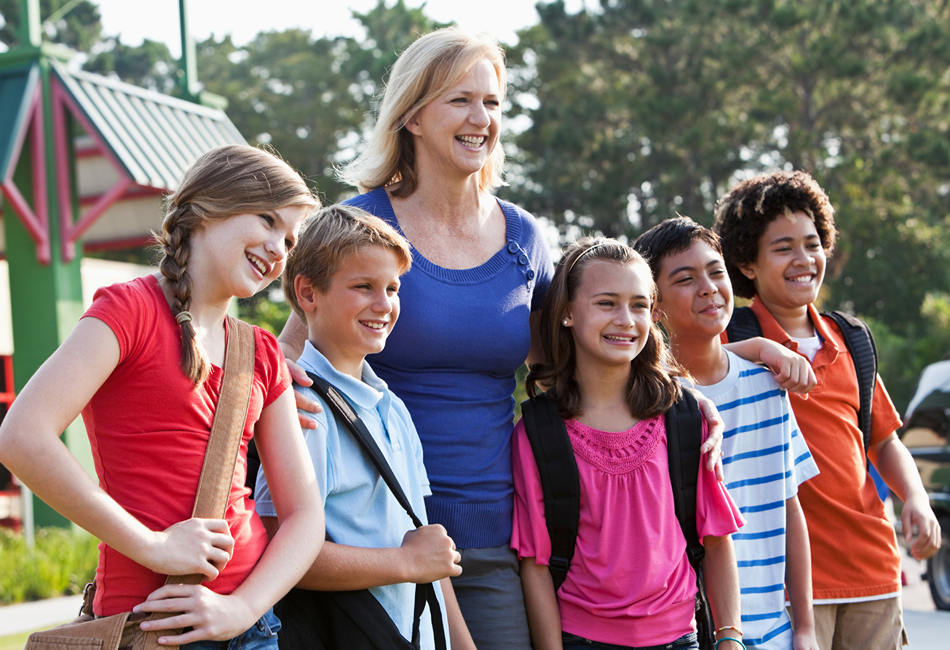
This ultimately ensures that everyone feels secure, respected and able to self-regulate throughout the trip.
Likely Stressors Travelers Face During Any Trip
Every travel experience has moments when stress tends to spike, and being aware of these in advance will help you plan around them or mitigate their impact. They include:
- Early mornings disrupted sleep
- Long transitions like airports, bus terminals or waiting in lines
- New food and unfamiliar routines
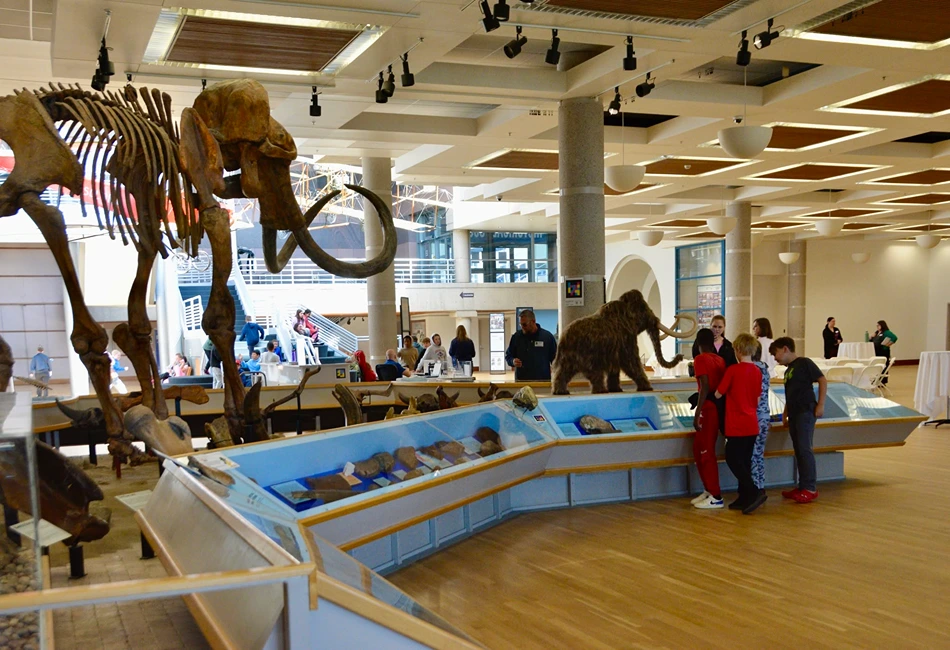
- Loud, crowded or overstimulating environments
- Social dynamics like rooming, cliques and peer pressure
These are the moments when things can go wrong if you don’t have built-in support. Luckily, you can implement the following strategies into your plan that support students’ well-being on school trips.
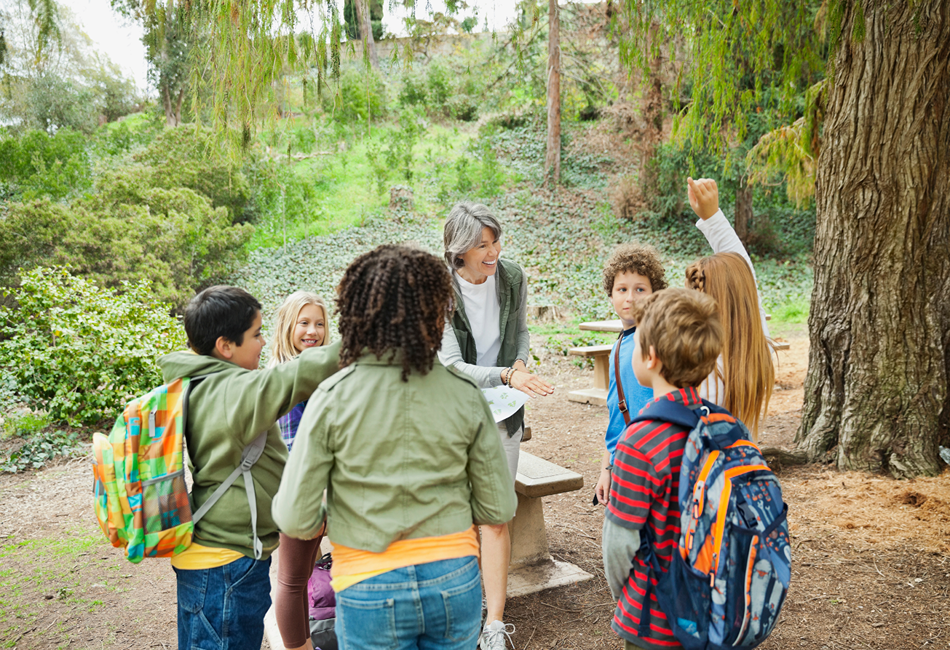
Create choice-based itineraries where students can participate in group or individual activities. Credit: Canva
12 Practical Strategies for Inclusive Student Travel Planning
#1 – Implement a predictable daily rhythm
What to do: Share a simple structure for the day, such as: wake up / breakfast /dedicated learning block / lunch / rest or break block / afternoon activity / dinner / wind-down time / bed. This routine creates a safe environment without surprises.
Why it helps: Predictability makes students feel more secure, confident and on pace with the activity or experience and the group.
#2 – Build margins into the itinerary
What to do: Add buffer times between activities to ensure enough mental breaks, physical downtime and regrouping so the entire class is on the same page. It’s vital to incorporate at least one lengthy block of time solely for resting and recharging.
Why it helps: Pacing and downtime on student tours prevent burnout and overstimulation. Younger students, especially, can have a hard time with sensory overload and act out or shut down.
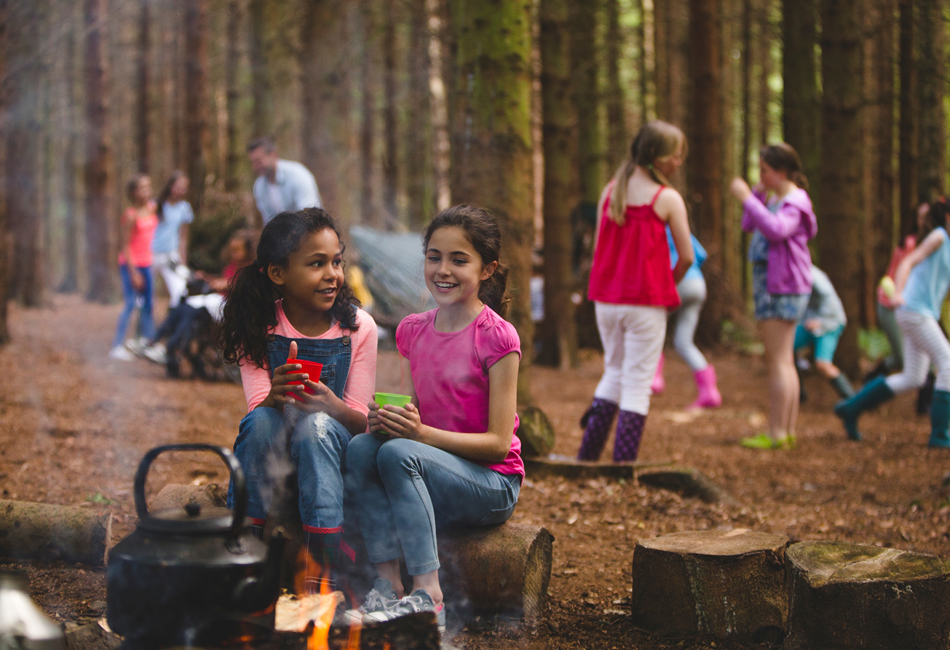
Create a quiet space for students to retreat to when they need time apart from the group. Credit: Canva
#3 – Use short, regular check-ins
What to do: Quick emotional check-ins, such as asking about students’ emotional health and mental well-being, are encouraged so that no one feels abandoned or unheard. Some questions to ask include, “What’s your energy level 1-5?” or “Anything you need before we move?” Fast, simple and to the point.
Why it helps: This opens the door to trusted communication and helps leaders catch issues with particular students early, without making them a larger situation.

Check in with students regularly throughout the trip. Credit: Canva
#4 – Offer choice-based participation
What to do: Give students two ways to engage, a guided group route or a quieter independent option. Providing flexible options that adapt to a student’s mental and emotional needs will foster trust and communication, without making them feel forced into activities they may be uncomfortable with.
Why it helps: By offering choices, you are supporting diverse needs without singling anyone out.

Individual learning blocks help keep sensory overload at bay. Credit: Canva
#5 – Create a reset plan and designate quiet spaces
What to do: Identify a calm space every day and use it for unexpected interruptions or disconnects caused by travel stressors. Point out a quiet corner, a serene outdoor space or any designated calm area where students can self-regulate.
Why it helps: These spaces support sensory-friendly school trip strategies and ensure that no matter what situation may arise, you’re always prepared with backup plans.

Set aside time for rest and reflection so students can recharge and regroup. Credit: Canva
#6 – Pre-trip briefings about transitions and sensory spikes
What to do: Tell students what to expect before immersing them in intense environments. Example: “This next place will be crowded and louder than you’re used to, so here’s the plan…”
Why it helps: This will reduce anxiety and stress caused by uncertainty and unfamiliar environments.
#7 – Use simple visuals to reduce stress
What to do: Provide a one-page daily overview of what the day will look like. Use icons and simple text for schedules and rendezvous points. This allows students to visualize the experience and minimize surprises.
Why it helps: This strategy reduces cognitive overload, allowing students to enjoy the experience rather than worrying about what comes next.
#8 – Set up a group communication code phrase
What to do: Create a simple phrase for students to use when they need to ask for help. When someone needs a break, they can say, “I need a reset,” and group leaders can respond calmly and accordingly.
Why it helps: It makes support easy and normal, without any one student feeling embarrassed or singled out when they need something.
#9 – Implement pacing and downtime on student tours
What to do: Set clear, quiet hours and routines to ensure both mental and physical rest. Keep wake-up times consistent and limit late-night disruptions or activity so young learners wake refreshed and ready for the day.
Why it helps: Since sleep directly impacts emotional regulation, it’s vital to implement plenty of breaks during the day, especially for young travelers. A full night of uninterrupted sleep is best before lengthy field trips.
#10 – Lead with calmness and consistency
What to do: Keep your tone steady and supportive to foster a calm and consistent environment. Give clear instructions to avoid any misunderstanding among peers or in public.
Why it helps: Leaders set the emotional tone for the group, and starting with a calm, consistent presence will make the trip feel safe and inclusive throughout.
#11 – Be intentional with student group dynamics and emotional support
What to do: Carefully consider your students’ rooming and group pairings. You can offer them a preference form to gauge their thoughts and comfort levels. Pairstudents thoughtfully with like-minded or emotionally sensitive peers and allow time to decompress.
Why it helps: Social stress is a major issue on trips for all types of travelers, not only students. By mitigating uncomfortable situations before they arise, the trip will run smoothly for everyone.
#12 – End each day with a chance for reflection
What to do: Come together for a brief group reflection exercise or encourage individual rumination on the day. Ask your students:
- What was the high point of today that you most enjoyed?
- What was hard about today?
- What do you need to have a good experience tomorrow?
Why it helps: This helps everyone process the day, reflect on its highs and lows and reset for the next adventure, feeling safe and confident.

Group reflection activities help students understand what they learned. Credit: Canva
Simple Tools You Can Use Right Away
Basic well-being plan:
- Post the daily schedule each morning
- Identify one quiet reset space
- Include one buffer block
- Do check-ins throughout the day
- Offer at least one choice-based activity
60-second check-in script:
- “Energy 1-5?”
- “Do you need food, water, a restroom, or a reset?”
- “You can always ask for a break.”
Simple reset options:
- Sit in a designated quiet space
- Take a short walk with a chaperone
- Have a break from noise or crowds
- Get water or a snack
Where to Go from Here
The most important thing to remember is that these support strategies shouldn’t feel like special treatment. They should simply be part of the trip’s intentional design. When emotional safety is built into the structure, everyone benefits, not just the students who need extra support.
FAQ
What is mindful travel for student groups?
It’s designing trips with emotional safety, predictability, and individual support built in.
How do you support student mental health on school trips?
Use frequent check-ins, clear schedules, ample downtime, and open communication.
What helps anxious students on field trips?
Predictability, consistency, choices, and access to quiet spaces.
How do you plan a sensory-friendly student tour?
Limit overstimulation by providing breaks and preparing students for intense environments.
How much downtime should students have?
At least one buffer or rest block per day.
What should leaders do if a student is overwhelmed?
Stay calm, offer a reset option, and remove them from the situation if needed.
How do you make trips inclusive without singling people out?
Build supports into the default plan for everyone.
What are simple check-in routines?
Quick energy ratings and asking basic needs questions throughout the day.
Plan smarter trips. Create meaningful experiences. Subscribe to the Student Travel Pro newsletter—free.