Farm Life, Lake Science and Presidential History
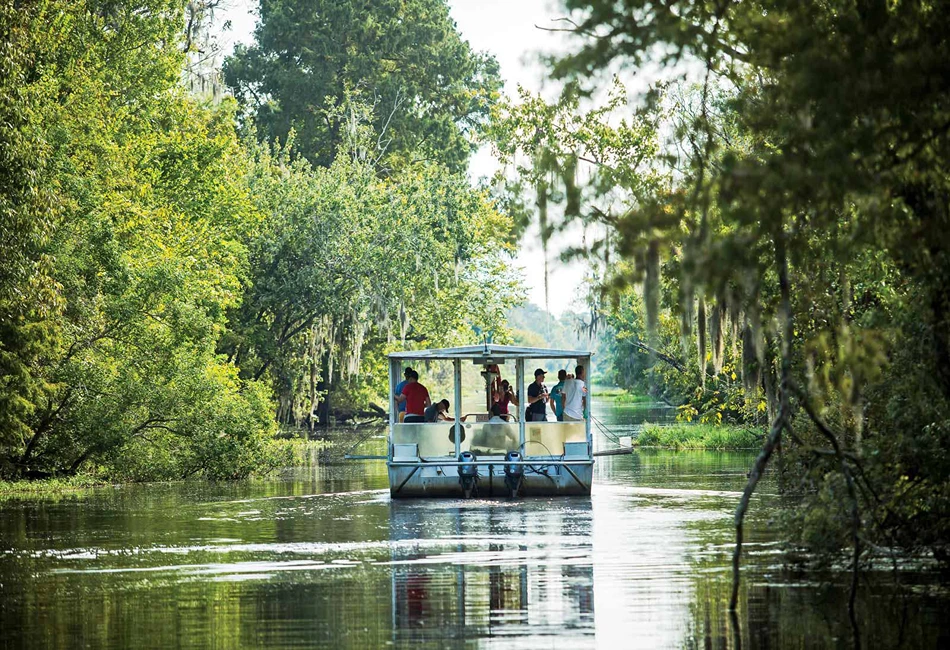
With many beautiful landscapes, Vermont turns its forests, waterways, farms and historic communities into unforgettable learning environments. Students can learn about Lake Champlain’s ecosystems and engineer solutions to environmental challenges. They can churn butter and investigate livestock on a working farm, or explore the state’s human history in tangible, immersive ways. Examine an entire preserved village and the setting for an extraordinary presidential inauguration at Plymouth Notch and learn about President Calvin Coolidge. Field trips to Vermont encourage students to connect places and people to deepen their understanding of how natural landscapes influence people’s lives, communities and history.
“Take your students on a truly immersive living history experience in an almost entirely preserved Vermont village, where the late 19th century comes to life.”
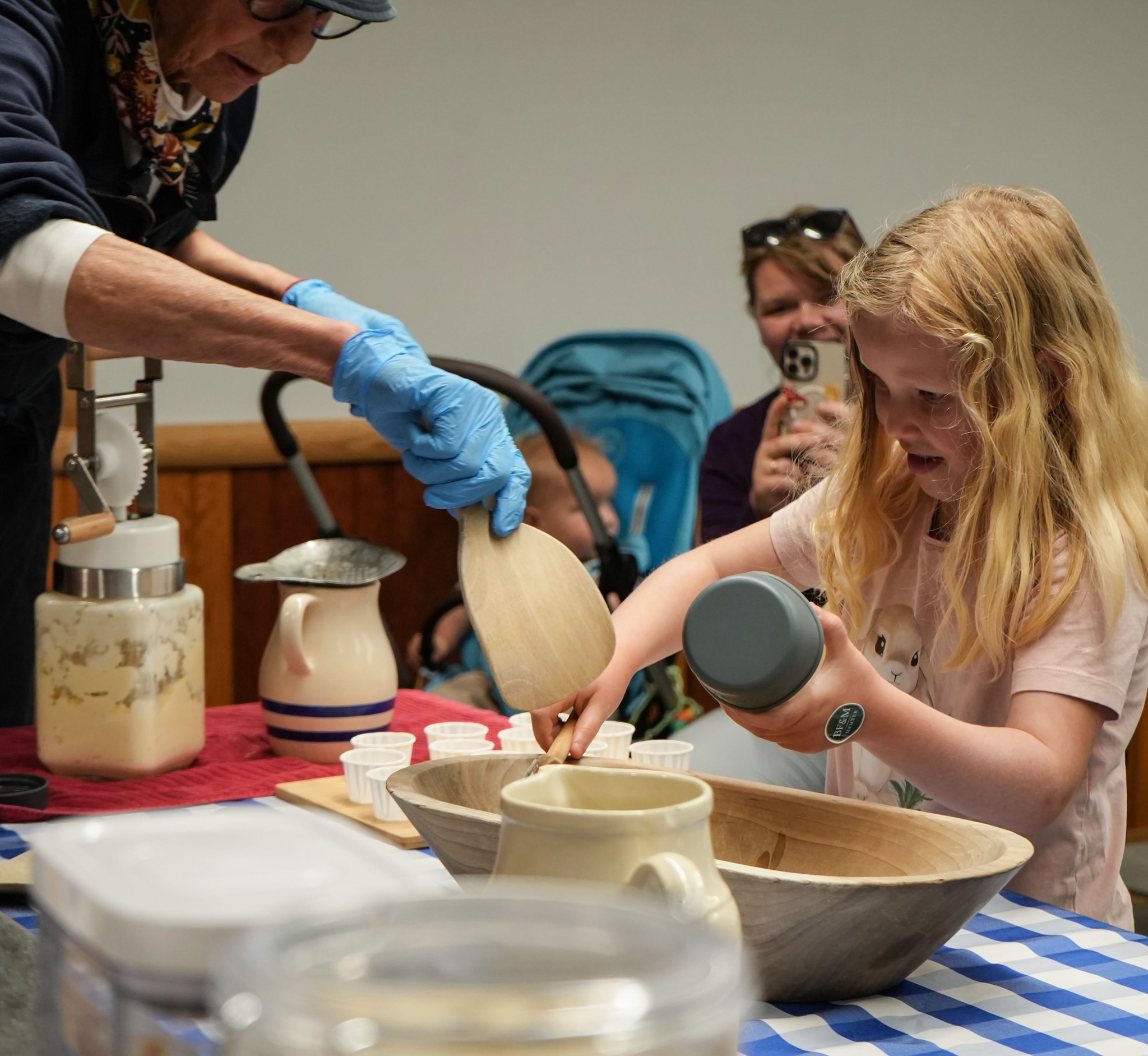
Kids get hands-on making butter at Billings Farm & Museum in Woodstock, VT. Credit – Billings Farm & Museum Facebook
Ready to take your student trips to the next level? Download Student Travel Pro now for free resources, destination guides, and expert planning tips.
Billings Farm & Museum (Woodstock)
Get ready for a fully interactive experience, where grades pre-K through high school can get busy with their hands for immersive discovery. When you visit Billings Farm & Museum, you don’t just meet the animals; students also learn the history behind farming practices and tools from the 19th century. School groups can join guided tours, take self-guided explorations, and participate in curriculum-focused workshops. A guided tour can focus on aspects of farming like the Jersey Cow Journey, where students rotate between interactive learning stations to explore animal life cycles, meet Jersey cows, visit Southdown sheep, churn butter and try traditional wool crafts. Programs can be specialized to accommodate K-3 groups, for experiences in 19th-century farm life as children would have had. For those in grades 4-6, learners become history detectives and examine artifacts as evidence. High school programs are customizable around subjects, including Vermont’s dairy history, sustainable agriculture, native plants and animals, and others.
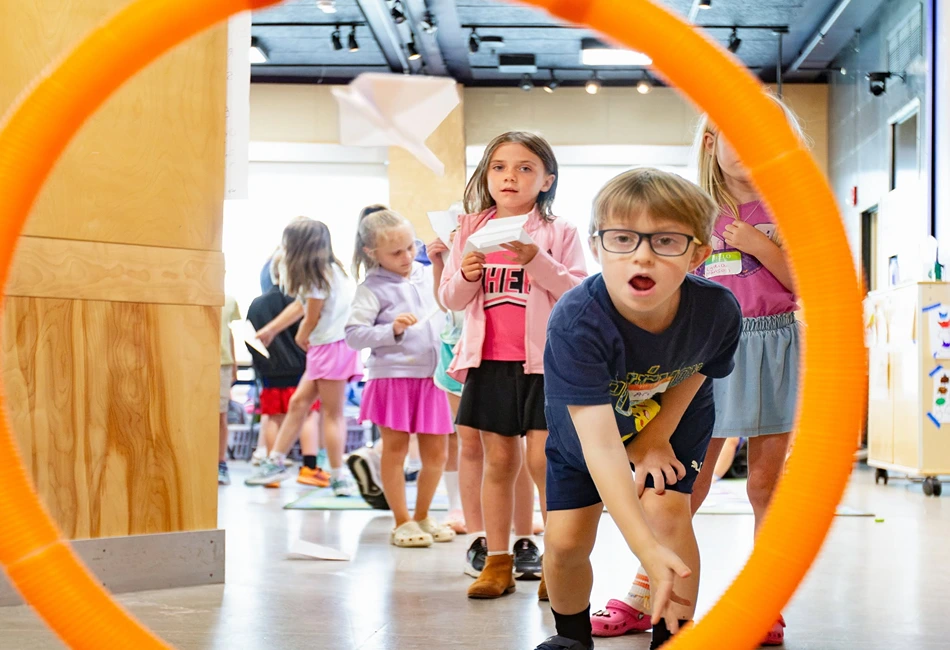
Students build wind-powered vehicles using engineering-design processes at ECHO. Credit – ECHO, Leahy Center for Lake Champlain Facebook
ECHO, Leahy Center for Champlain (Burlington)
The ECHO, Leahy Center for Champlain offers half-day and full-day field trips for students in grades pre-K-12 to explore the region’s wildlife, ecology and environmental challenges related to the Lake Champlain Basin. Live animal encounters, engineering challenges and hands-on exhibits help students make connections to natural science and STEM subjects for active learning. K-12 student groups can add NGSS-connected, 50-minute programs designed to specific grades. K-3 students can engineer solutions to help migrating eels, while grades 4-8 students can analyze Native American artifacts while learning about traditional Abenaki life. Junior Ranger activities for K-2, 3-5, and 6-8 enrich self-guided explorations, and engineering challenges span K-12 where students can build wind-powered and safety transport vehicles using engineering-design processes.
Vermont Institute of Natural Science and Nature Center (Quechee)
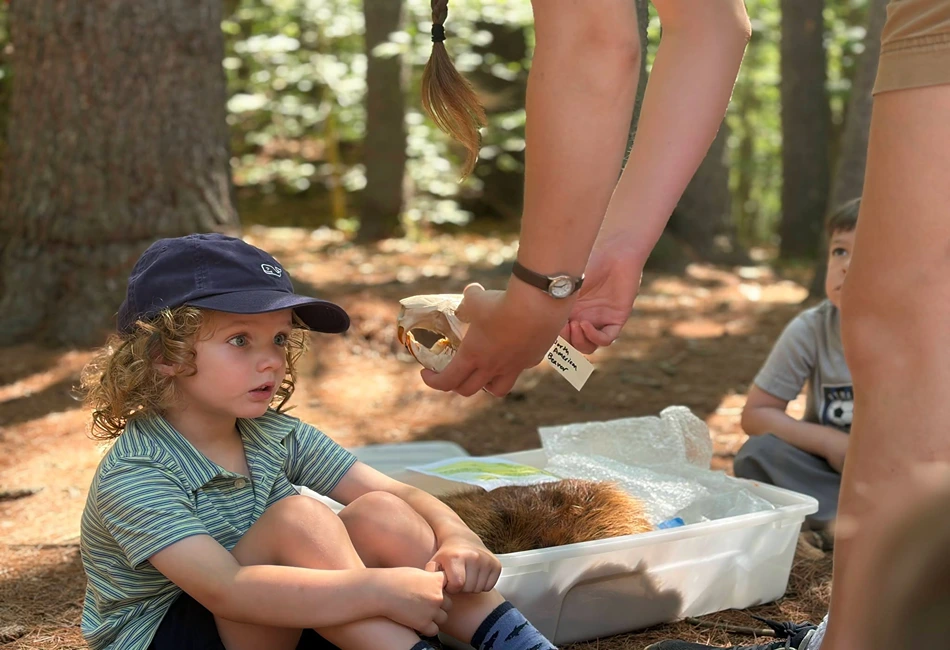
At the VINS Nature Center, raptors, forests, and elevated trails create an immersive 47-acre outdoor classroom, featuring nature trails, a Forest Canopy Walk, 17 raptor enclosures, and incredible natural scenery. VINS school programs bring students up close to STEM and ecology subjects through hands-on discovery, observation and animal encounters. Glimpse live birds, explore the connections between conservation and wildlife rehabilitation, and investigate habitats and adaptations. Exhibits include Birds Are Dinosaurs, which brings the experience indoors, where students uncover compelling links among prehistoric life and modern birds using avian biology and evolutionary science.
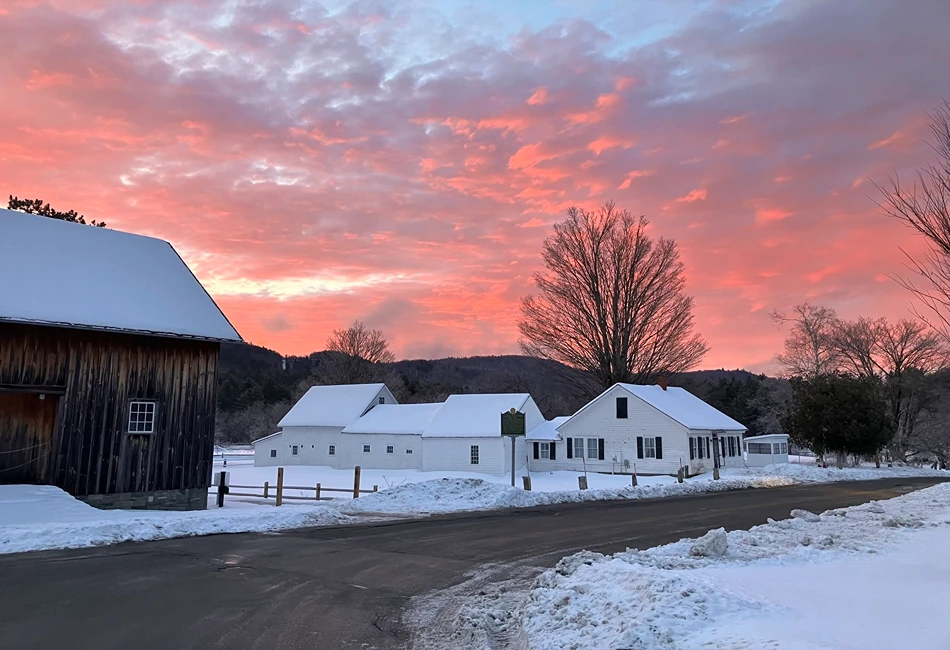
President Calvin Coolidge State Historic Site in Plymouth Notch, VT. Credit – Vermont State Historic Sites Facebook
President Calvin Coolidge State Historic Site (Plymouth Notch)
Take your students on a truly immersive living history experience in an almost entirely preserved Vermont village, where the late 19th century comes to life. The President Calvin Coolidge State Historic Site lets visitors step into history and discover the place that shaped a U.S. president. Students can tour the extensive property to gain historical insight into late 19th- to early 20th-century life as experienced by the Coolidge family. Visitors can tour educational exhibits and visit historic barns, the Summer White House of 1924, and the store the Coolidge family once operated. Elementary through high school groups studying U.S. history, civics, presidential history, and rural life can connect deeply through its authentic buildings and fascinating museum exhibits.
The best student group travel tips are just a click away! Subscribe to our newsletter and receive free planning resources, expert insights, and destination spotlights.