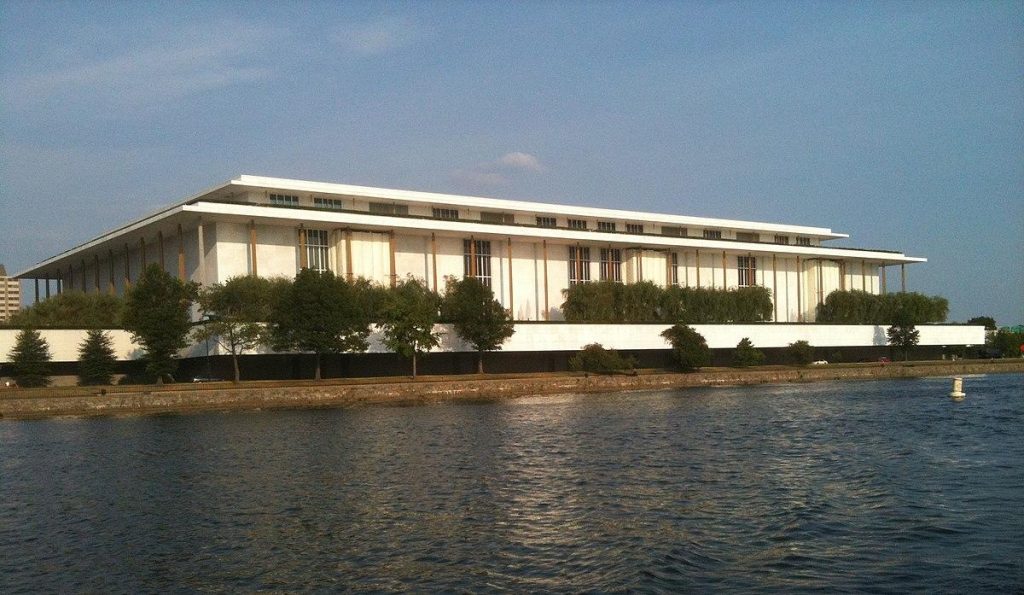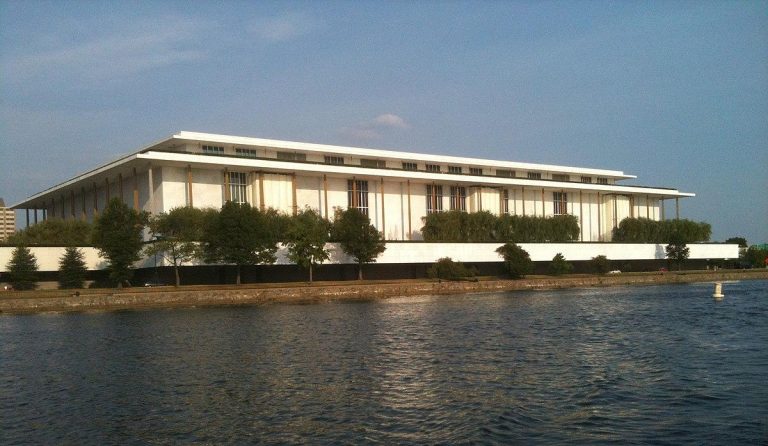
The John F. Kennedy Center for the Performing Arts is one of the nation’s premier environments for experiencing theatre, music, dance and multidisciplinary performance. Educational programming reaches students from early childhood through college, with individual productions and learning experiences designed for specific ages and grade levels. School groups can encounter professional artists, international traditions and powerful stories through live performance, while National Symphony Orchestra programming introduces young audiences to orchestral music at an exceptionally high level. Kennedy Center education resources encourage students to go beyond watching: they invite students to interpret, discuss, question, and create, helping teachers connect the arts with language arts, history, culture, social-emotional learning, and other classroom subjects.
What Students Will Experience
A Kennedy Center field trip can be a student’s first encounter with professional live performance—and that immediacy is part of its educational power. Depending on the season, school audiences may experience theatre, dance, orchestral music, puppetry, multidisciplinary performance or work created specifically for young audiences. Productions often address themes beyond the arts, including identity, courage, relationships, storytelling, history, culture and community.
The Center’s programming for young audiences is intentionally broad. Past seasons have included highly visual performances for toddlers, theatre and music for elementary students, science-infused performance pieces and National Symphony Orchestra concerts designed for families and young listeners. Individual productions include age guidance rather than a single universal grade band, so educators can choose experiences that match their students’ maturity and developmental level.
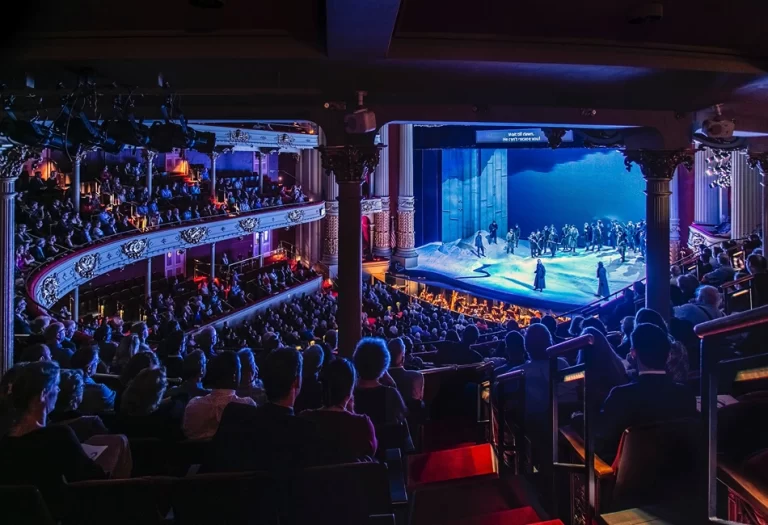
For students new to live performance, the experience itself can become a lesson: entering a major performing-arts center, observing professional stagecraft, listening closely with a large audience and discussing artistic choices afterward. Teachers can use the trip to introduce vocabulary related to staging, movement, instrumentation, characterization, design and audience etiquette.
The Kennedy Center also emphasizes active arts learning. Its broader education work includes school and community programs, digital learning, arts integration and hands-on activities. The Center’s educational mission is not simply to expose students to performances but to help them use the arts as a way to think, communicate and make meaning.
Curriculum & Grade-Level Connections
Kennedy Center education programming spans pre-K through college, but the most important planning detail for teachers is that age recommendations vary by individual performance. A production suitable for preschoolers may rely heavily on movement, music and visual storytelling, while programming for older students may introduce more complex themes, theatrical forms or cultural contexts.
The Center has a long-standing focus on K–12 arts integration, helping educators use dance, drama, music, visual art, poetry and storytelling alongside subjects such as English language arts, science, mathematics and social studies. That makes a Kennedy Center field trip particularly valuable when teachers frame a performance around a classroom theme rather than treating it as a stand-alone arts outing.
Language arts teachers can ask students to analyze character, narrative and point of view. Social studies classes can use performances rooted in historical or cultural traditions to explore context and perspective. Music students can listen for orchestration, rhythm, dynamics and instrumentation, while theatre students can consider directing, acting, scenic design and production choices.
National Symphony Orchestra experiences provide another strong curriculum connection. Hearing a professional orchestra live lets students connect classroom concepts such as instrument families, musical form, tempo, and dynamics with sound produced at full concert scale. For schools unable to attend in person, Kennedy Center digital-learning resources can extend arts learning before and after a visit.
Planning Your Visit
Because Kennedy Center offerings change by season, teachers and student trip planners should begin with the education calendar rather than assuming the same student programs will be available each year. Each performance may have its own recommended ages, running time, ticketing procedures and school-group requirements.
For school groups, the strongest itinerary usually pairs the performance with preparation beforehand. Educators should review any available performance guides, artist information and classroom activities so students understand what they are about to experience. Post-performance discussion can then move beyond whether students “liked” the show to questions about artistic choices, themes, cultural context and interpretation.
Accessibility is an important part of the Kennedy Center’s educational mission. Its Office of Accessibility and VSA works to make arts experiences accessible to people with disabilities and provides resources and programs for educators and students. Teachers arranging visits for students with sensory, mobility, hearing, vision, or other access needs should communicate those requirements during the reservation process so staff can identify appropriate accommodations.
Student tour planners should also allow time for arrival, security procedures, restroom stops and seating before a performance begins. Unlike a museum, where groups can often adjust their pace, live performances start at a fixed time; late arrival can disrupt both the group and the production. Build extra travel time into a Washington itinerary, particularly when moving by motorcoach through downtown traffic.